Nothing's CEO: 'Apps will disappear' as AI agents take over
Carl Pei says AI agents will replace smartphone apps entirely. Nothing is building an AI-native OS with $200M in funding at a $1.3B valuation.
Carl Pei, the founder and CEO of Nothing, just made one of the boldest predictions in the smartphone industry: apps as we know them will disappear. In their place? AI agents that understand what you want and just do it for you.
This isn't just talk. Nothing raised $200 million in Series C funding at a $1.3 billion valuation — and the company is building its own operating system from scratch to make this vision real.
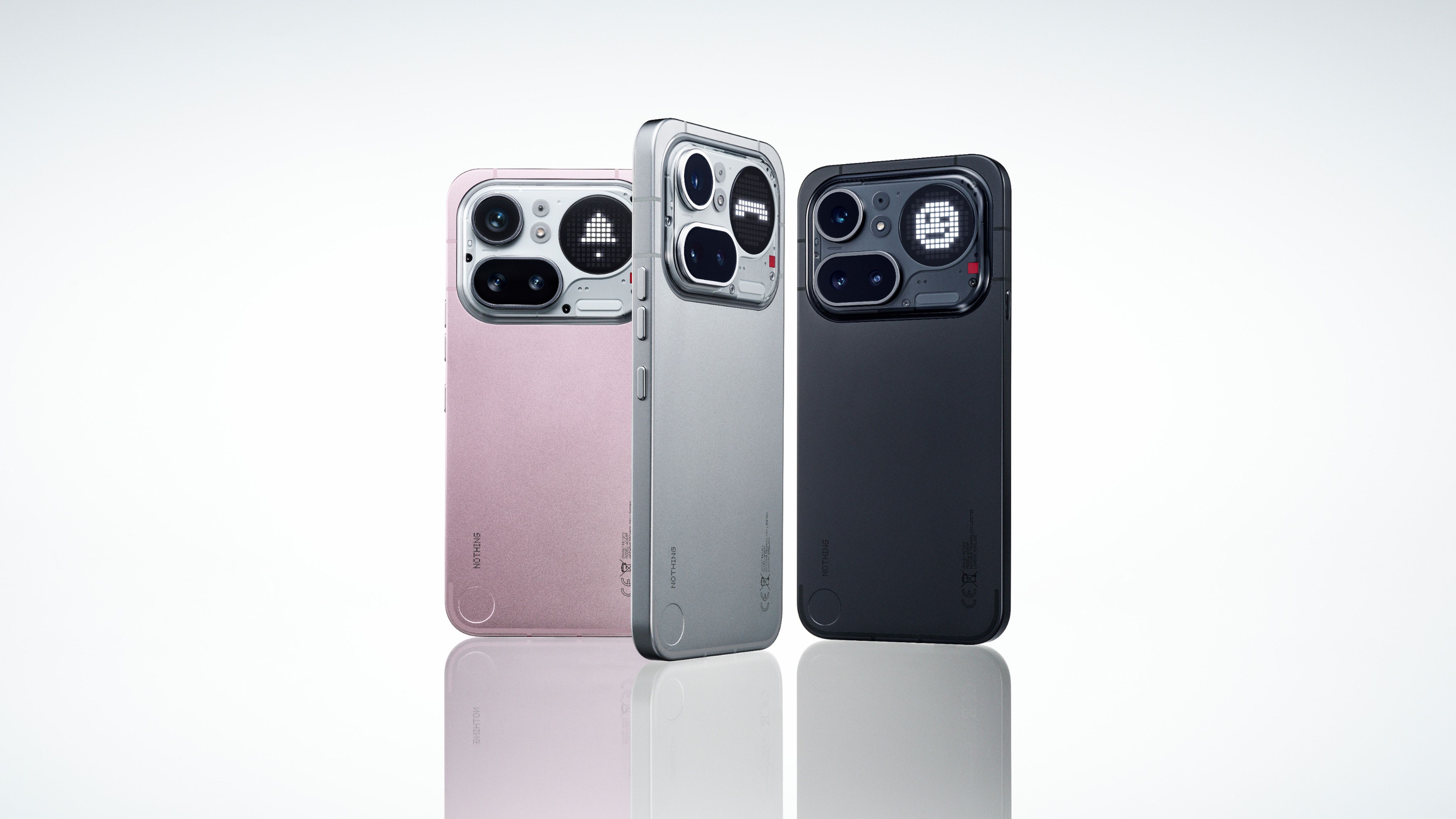
A billion different phones for a billion people
Today, every iPhone looks the same. Every Android shows the same grid of apps. Pei's vision is radically different: "A billion different operating systems rendered for a billion different people."
Instead of opening apps manually — tapping Gmail, then Calendar, then Maps, then Uber — you'd simply tell your phone what you need. An AI agent would handle the rest: reading your email, checking your schedule, booking a ride, and routing you to your meeting. No app-switching. No menus. No friction.
The operating system would adapt its entire interface based on who you are, what you're doing, and what you need right now. A morning commuter sees transit info and news. A chef sees recipes and timers. A student sees study materials and deadlines — all without launching a single app.
Why Nothing is building its own OS
Nothing currently uses Android. But Pei described the new OS as "significantly different" from anything available today. The key difference: it's AI-native from the ground up, not AI bolted onto a 15-year-old app framework.
What "AI-native" actually means:
Think of it this way. Current phones are like a filing cabinet — you open drawers (apps) to find what you need. An AI-native OS is more like a personal assistant sitting at that cabinet. You tell them what you need, and they pull the right files from multiple drawers without you touching anything.
The AI agents in this new OS would handle routine tasks automatically — replying to simple messages, managing schedules, ordering groceries — so users can focus on what actually matters to them.
Not just phones
Nothing plans to launch this AI-native experience across multiple device types:
- Smartphones — the first AI-native devices arriving in 2026
- Audio products — earbuds and headphones with AI awareness
- Smartwatches — AI agents on your wrist
- Future: smart glasses, humanoid robots, and even electric vehicles

Can a $1.3B startup really kill the app?
Pei isn't the first person to predict the end of apps. But he might be the first smartphone CEO actually betting his entire company on it. Nothing has gone from a quirky phone brand with transparent designs to a billion-dollar company building its own OS — that's a serious commitment.
The competition is fierce. Apple is deeply embedding AI into iOS. Google has Gemini woven through Android. Samsung has Galaxy AI. But all of them are adding AI to existing app-based systems. Nobody is starting from zero with AI at the core — except Nothing.
The risk is enormous. Building an OS is one of the hardest things in tech — just ask Microsoft (Windows Phone), Samsung (Tizen), or Huawei (HarmonyOS). Most attempts fail. But if Pei is right that apps are a dead-end interface, then starting fresh might be the only way to build what comes next.
When can you try it?
Nothing's first AI-native devices are expected in 2026. Current Nothing phones will continue running Android (with an Android 16 update on the way), so existing owners aren't left behind.
The real question isn't whether AI agents can replace apps — it's whether consumers are ready to give up the familiar grid of icons they've used for 17 years. Carl Pei is betting $200 million that the answer is yes.
Related Content — Get Started with Easy Claude Code | Free Learning Guides | More AI News
Sources
Stay updated on AI news
Simple explanations of the latest AI developments