AI writes the code — 'Software Mechanics' fix it
A viral essay predicts a new profession: Software Mechanics who diagnose and repair AI-generated code. 60% of failures come from specs that didn't anticipate change.
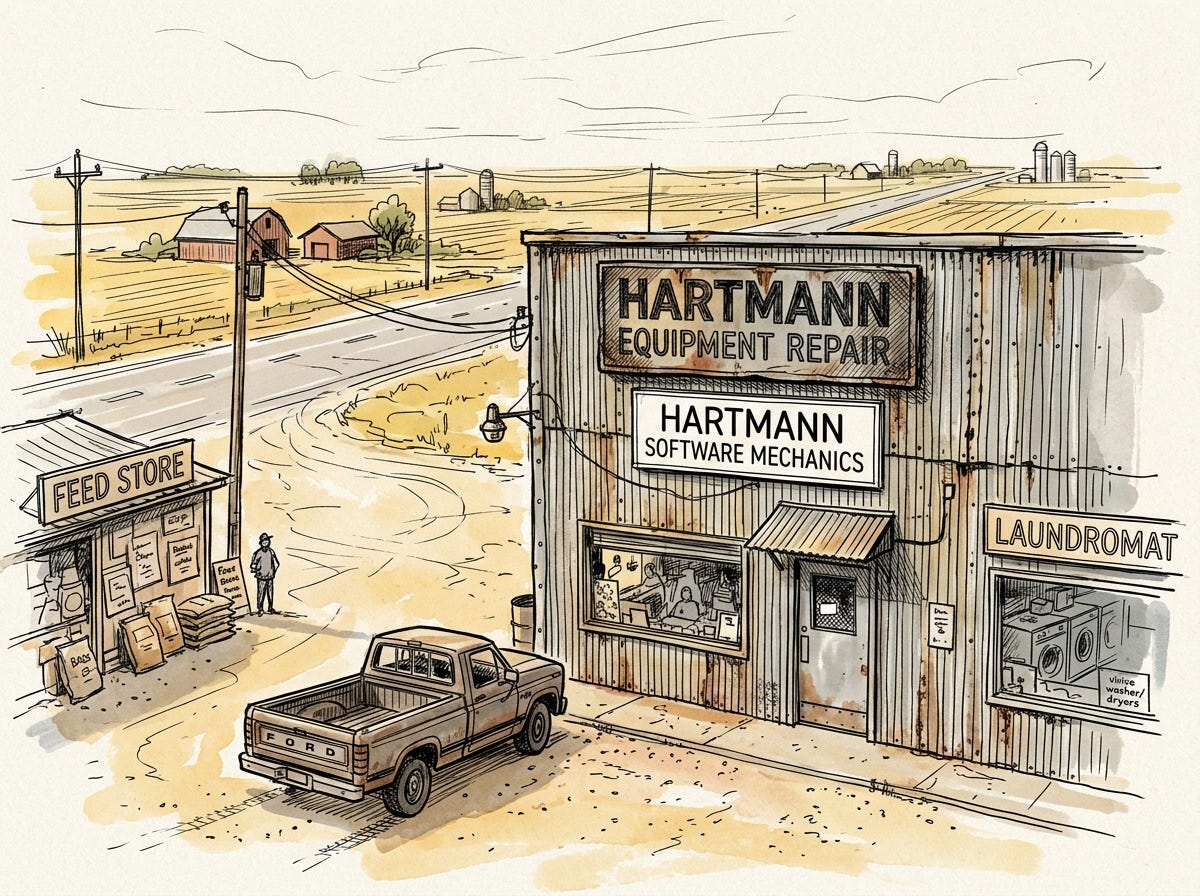
What happens when everyone can generate software but nobody can fix it? A new essay trending on Hacker News paints a vivid picture of a near-future where "Software Mechanics" become the new essential profession — people who diagnose and repair the code that AI writes for us.
The piece, titled Warranty Void If Regenerated by Scott Werner, isn't science fiction. It's a practical warning about problems that are already emerging as more people use AI to generate code without fully understanding what they've built.
The three ways AI-generated code breaks
Through a series of realistic case studies, Werner identifies the patterns that make AI-generated software fragile:
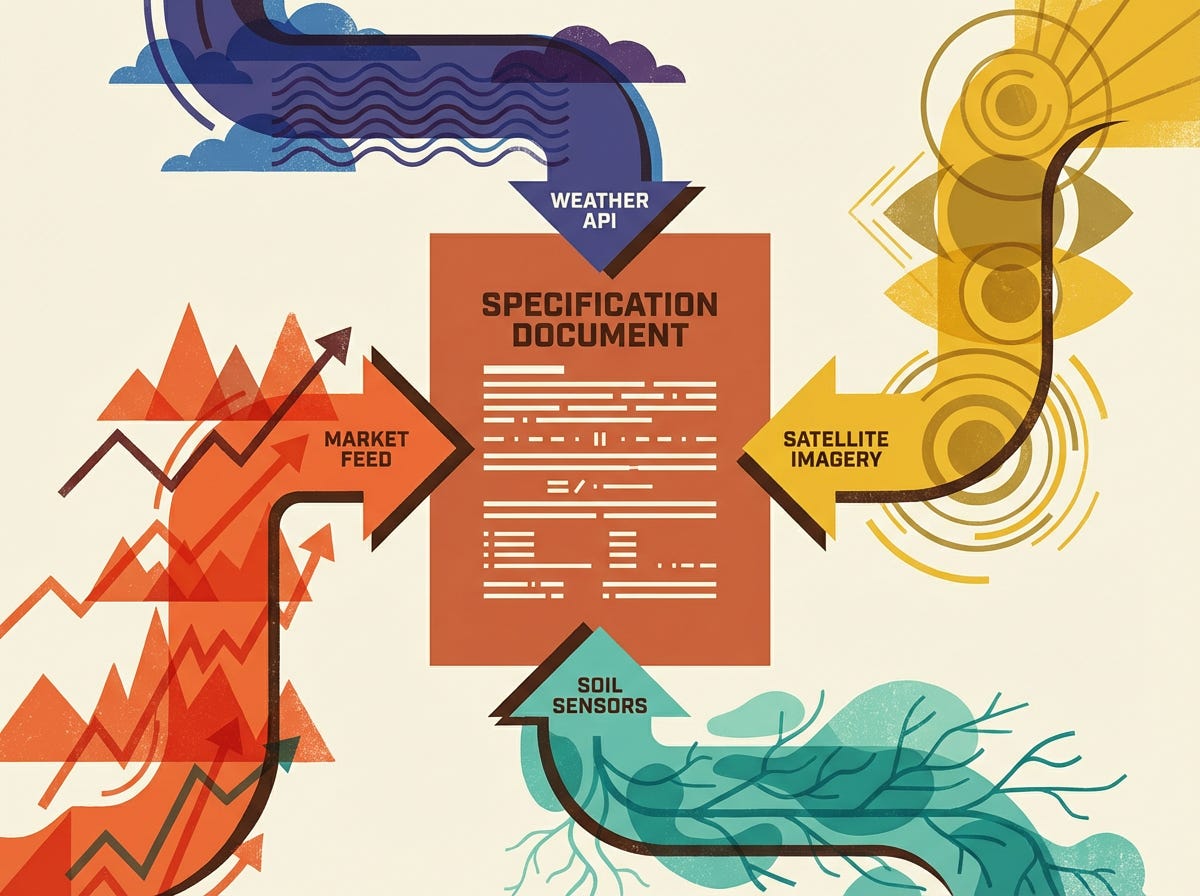
1. The Specification Gap — AI code is only as good as the instructions you give it. A farmer's harvest-timing tool recommended picking crops too early because the prompt didn't mention that upstream weather models get recalibrated. As the mechanic in the story explains: "Your specification doesn't account for upstream model changes — that's a detail the AI has no way of knowing matters unless you tell it."
2. The Cascade Effect — When you regenerate one AI tool, everything connected to it can silently break. A dairy farmer's milk pricing tool started giving wrong numbers because he'd regenerated a separate feed optimization tool — which changed its output format in ways nobody noticed.
3. The External Shift — About 60% of failures involve an external data source (a weather API, a price feed, a government database) changing in ways the original prompt never anticipated.
Three new jobs that didn't exist before
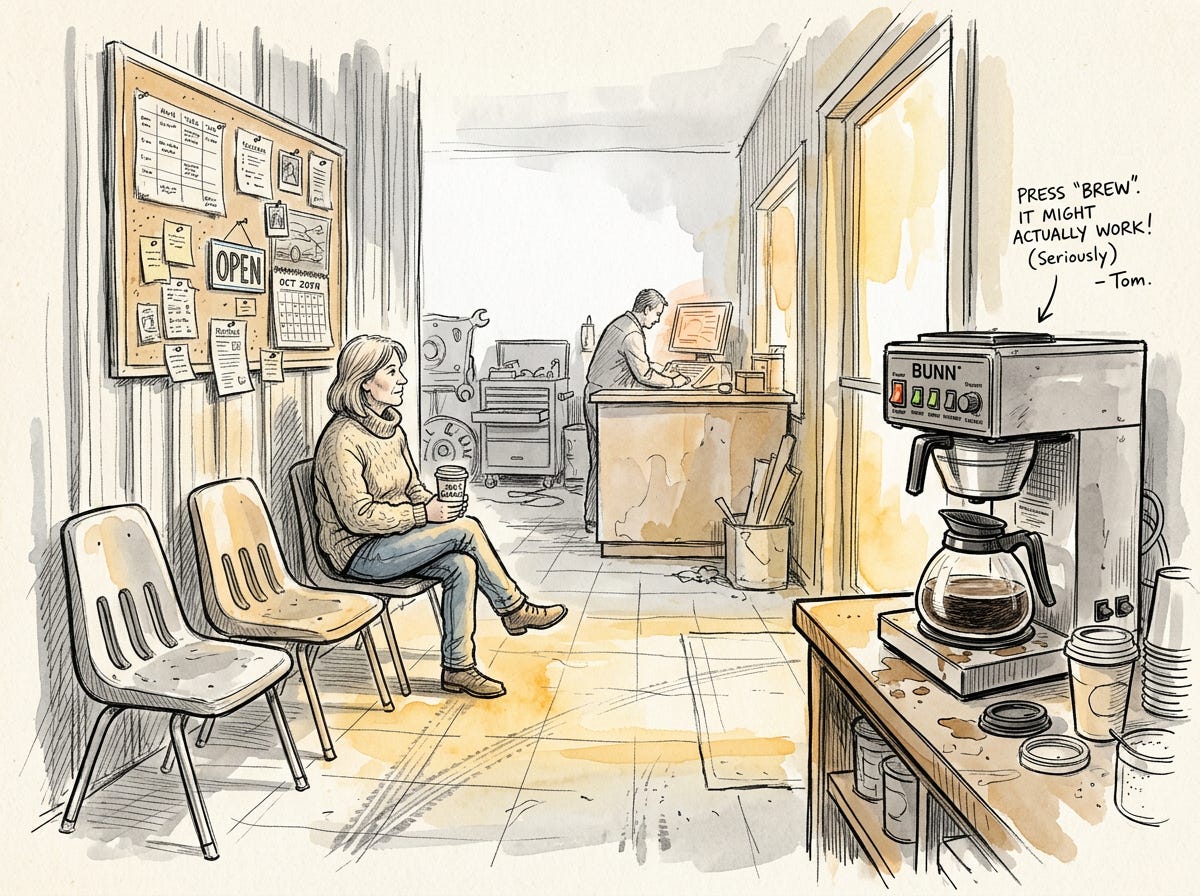
Werner predicts an entire ecosystem of new professions emerging around AI-generated software:
- Software Mechanics — diagnose why AI-built tools break and write better specifications to fix them. Think of them as the auto mechanics of the software world.
- Choreographers — manage how multiple AI-generated tools work together, making sure one tool's output doesn't crash another tool's input.
- Pit Crews — continuously monitor AI-generated systems and catch problems before users notice them.
The essay argues this represents "the death of a distinction that had organized the entire technology industry for fifty years" — the line between people who write code and people who use software. In this new world, domain expertise matters more than coding ability. The farmer who understands soil chemistry writes better AI specs than the programmer who doesn't.
The lesson for anyone using AI to build software today
If you're using tools like Claude Code, Cursor, or Replit to generate software, Werner's essay carries an immediate warning: generating code is the easy part. The hard part is maintaining it when the world around it changes.
A few practical takeaways from the essay:
- Document your assumptions — when you prompt AI to build something, write down what external data it depends on and how often that data changes
- Test the connections — if Tool A feeds into Tool B, regenerating Tool A means retesting Tool B
- Keep a human override — one character in the story installed a physical switch to override AI recommendations. Sometimes the simplest backup is the best one.
Why this is trending now
The essay hit Hacker News at a moment when "vibe coding" (using AI to generate entire applications from plain English descriptions) is exploding in popularity. More non-developers than ever are building software with AI tools — which means more people are about to discover that software doesn't just break when you write it wrong; it breaks when the world changes and your code doesn't keep up.
The 5,600-word essay is one of the most shared pieces in the developer community this week, resonating with both professional developers who see these problems daily and newcomers who are just starting to experience them.
Related Content — Get Started with Easy Claude Code | Free Learning Guides | More AI News
Stay updated on AI news
Simple explanations of the latest AI developments