Microsoft's AI image generator just hit #3 globally
Microsoft's MAI-Image-2 hit #3 on the global AI image leaderboard, rivaling Google and OpenAI. It's free to try in Copilot and Bing right now.
Microsoft just released MAI-Image-2, a text-to-image AI model that debuted at #3 on the Arena.ai global leaderboard — right behind Google and OpenAI. This is the first time Microsoft's own image generator has cracked the top tier, and it signals a major shift: the company is building its own creative AI instead of relying solely on OpenAI's DALL-E.
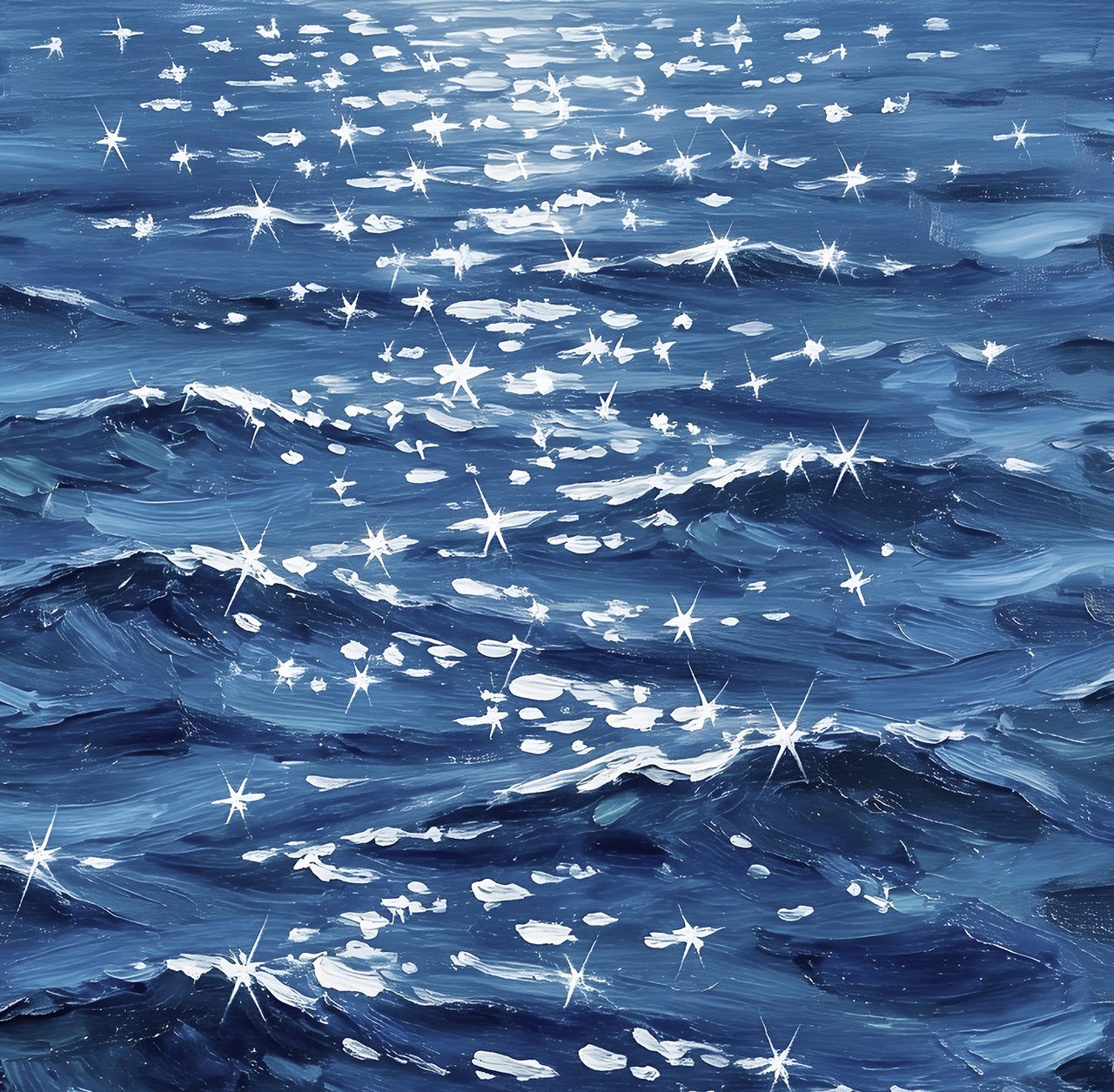
What makes it different from DALL-E or Midjourney
MAI-Image-2 was built by Mustafa Suleyman's AI Superintelligence team at Microsoft — the same group leading the company's most ambitious AI research. The model focuses on three specific strengths that set it apart:
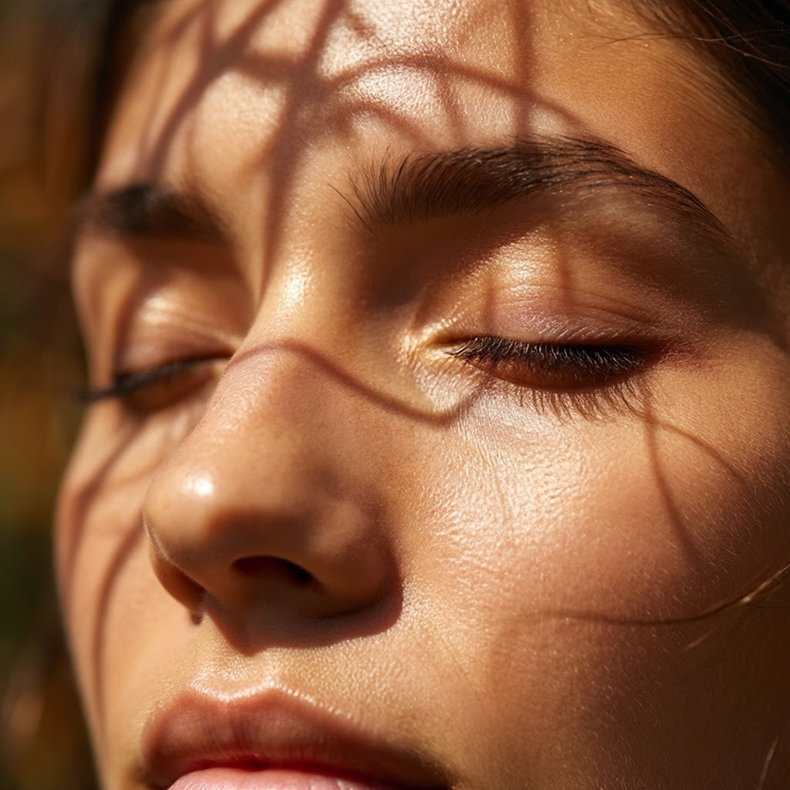
Photorealism: Natural light, accurate skin tones, and environments that look lived-in — not the plastic, over-processed look many AI images have.
Text in images: If you ask it to create a poster, infographic, or sign, the text actually comes out readable. This has been a weakness for nearly every competitor, especially Midjourney.
Surreal scenes: Complex, cinematic compositions with intricate details — think fantasy landscapes or impossible architecture rendered with photographic precision.
In hands-on testing by reviewers at Decrypt, MAI-Image-2 actually outperformed OpenAI's GPT-Image in several categories despite ranking lower on the leaderboard. Its text rendering (the ability to put readable words inside an image) was described as a "standout strength" that surpasses every major competitor.
Where it falls short — and why it might not matter
There are real limitations right now. The model only generates square (1:1) images — no landscape, portrait, or widescreen options. You're limited to 15 images per day with a 30-second cooldown between generations. And the content filter is more aggressive than DALL-E or Google Imagen, meaning some creative prompts get blocked unnecessarily.
It also lacks features that competitors already offer: no image-to-image editing (taking an existing photo and modifying it), no inpainting (fixing parts of an image), and no style reference uploads. Midjourney and Adobe Firefly are far ahead on those fronts.
But here's what matters for most people: it's free and already available. You can try it right now in Microsoft Copilot, Bing Image Creator, or the MAI Playground. No waitlist, no subscription required for basic use.
Why Microsoft is building its own image AI
This release is strategically significant. Microsoft has invested billions in OpenAI but has increasingly built its own models — reducing its dependency on a partner that's also a competitor. The company simultaneously funds OpenAI and Anthropic (OpenAI's biggest rival), and now it's developing in-house alternatives across text, code, and images.
For everyday users, this means better AI images inside tools you already use. Copilot, Bing, and eventually Microsoft 365 apps will get higher-quality image generation without needing a separate Midjourney or DALL-E subscription. For designers and marketers, the text-rendering accuracy alone makes it worth testing — especially for social media graphics, presentations, and mockups where readable text in AI images has always been a pain point.
How the top AI image generators compare right now
#1 Google Nano Banana Pro — Best photorealism, multimodal
#2 OpenAI GPT-Image 1.5 — Strong all-rounder, integrated with ChatGPT
#3 Microsoft MAI-Image-2 — Best text rendering, free in Copilot
Midjourney V8 — Most artistic, best for creative direction (not on Arena)
API access is currently limited to enterprise customers like advertising giant WPP, but Microsoft plans to open it to all developers through Microsoft Foundry soon. No pricing has been announced for API usage yet.
Related Content — Get Started with Easy Claude Code | Free Learning Guides | More AI News
Stay updated on AI news
Simple explanations of the latest AI developments