125K-star AI agent drops Claude after legal pressure
OpenCode, the open-source AI coding agent with 125K GitHub stars, just removed all Claude integration after legal threats — sparking a developer backlash.
OpenCode — the open-source AI coding assistant with 125,000 GitHub stars — just removed all Claude integration from its codebase. The reason: a legal threat. The community response: 55 thumbs-down and 76 confused-face reactions on the pull request that made it happen.
If you use AI to write or edit code, this story matters. It's not just about one tool losing one feature — it's about whether AI companies can dictate which apps you're allowed to use with the AI you already pay for.
What happened
On March 19, OpenCode maintainer thdxr merged pull request #18186 with a two-word explanation: "per legal requests." The PR stripped out everything connecting OpenCode to Claude:
- The built-in Claude authentication plugin (the "Sign in with Claude" button)
- Claude as a selectable AI provider in the interface
- The system prompt file that told Claude how to behave inside OpenCode
- All documentation referencing Claude Pro and Claude Max subscriptions
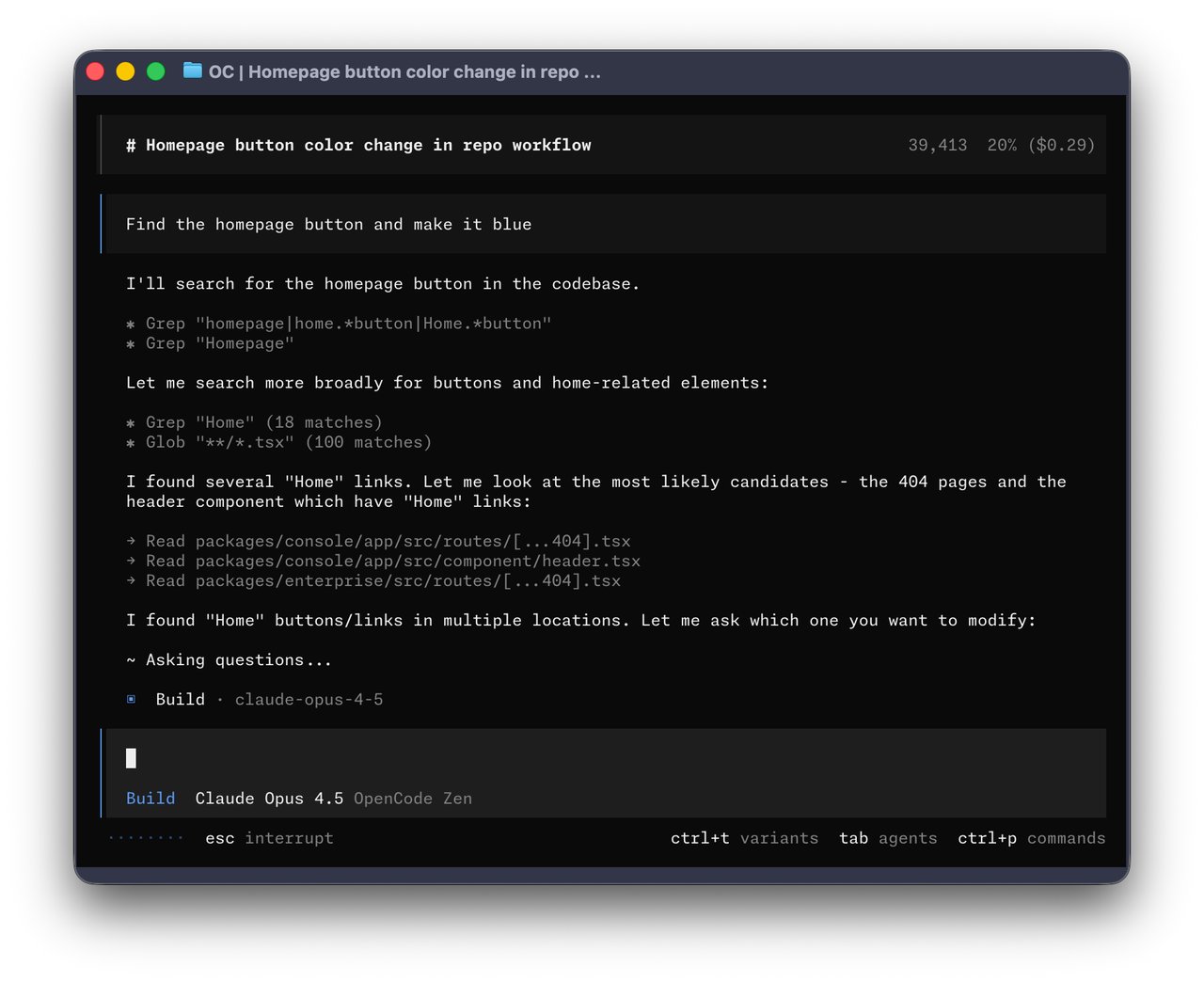
OpenCode's terminal interface showing Claude Opus 4.5 in action — the integration that's now been stripped out.
The subscription loophole that started it all
Here's the business conflict in plain English. Claude subscriptions (like Claude Pro at $20/month or Claude Max at $100–200/month) give you generous usage through Anthropic's own apps. But if you use the same AI through the developer API (the way third-party apps connect), the per-use cost is dramatically higher — some estimates suggest the subscription price is subsidized by 90% or more compared to API rates.
OpenCode found a way to let users authenticate with their existing Claude subscription and use those tokens inside OpenCode's interface. For users, this was a dream: pay once, use Claude anywhere. For Anthropic, it was a leak — people getting premium AI access at a fraction of the intended cost, through a tool Anthropic doesn't control.
The developer backlash
The Hacker News thread about this move hit 229 points and 180+ comments, with strong opinions on both sides.
Why developers are angry:
- "A token is a token" — if you're paying for AI access, you should be able to use it in any app, not just the official one
- This feels like the kind of platform lock-in that Big Tech companies use to crush competitors
- Anthropic positions itself as the "responsible AI" company, yet uses legal pressure against open-source developers
Why Anthropic might be justified:
- Subscriptions are heavily discounted — they're priced for use in Anthropic's own apps, not for unlimited third-party access
- Think of it like an all-you-can-eat buffet: the price assumes you eat at the restaurant, not that you take food home to sell
- Without these limits, Anthropic could lose money on every subscription as users route heavy workloads through cheaper plans
A pattern, not an incident
This isn't an isolated case. Several commenters on Hacker News pointed to a broader pattern of AI companies tightening control over how their models are accessed. The discussion referenced other projects that faced similar pressure, suggesting this is becoming standard practice as AI companies try to protect their unit economics (the cost of running AI for each user versus what they charge).
The parallel to other tech industries is striking. Mobile carriers once tried to stop you from tethering (sharing your phone's internet with a laptop) even though you were paying for the data. Printer companies fight third-party ink cartridges. Console makers restrict where you can buy games. Now AI companies are drawing similar lines.
What OpenCode users can do now
OpenCode still works with other AI providers. It was designed from the start to be provider-agnostic (meaning it works with multiple AI services, not just one). Users can still connect it to:
- OpenAI (GPT-4o, o3, and newer models)
- Google (Gemini models)
- Local models — AI that runs entirely on your own computer, no subscription needed
- Any OpenAI-compatible API — dozens of alternative AI providers use the same connection format
You can also still use Claude — but only through the official API with per-use pricing, not through a subscription token. For heavy users, this could mean a significant cost increase.
The bigger question
This story touches a nerve because it forces a question the AI industry hasn't fully answered: when you pay for an AI subscription, what exactly are you buying?
Are you buying access to the AI model itself, to use however you want? Or are you buying a seat in one specific app that happens to be powered by AI? The answer determines whether the next generation of AI tools will be an open ecosystem — like the web — or a walled garden, like app stores.
OpenCode's 125,000 stargazers just got their answer. Whether the rest of the industry follows the same path will shape how all of us use AI in the years ahead.
Related Content — Get Started with Easy Claude Code | Free Learning Guides | More AI News
Stay updated on AI news
Simple explanations of the latest AI developments