Stanford CTO: 4 weeks of work now takes 45 minutes with AI
A Stanford top-5 graduate and startup CTO wrote 22,000 words on why AI is about to displace most knowledge workers — starting with himself. The numbers are startling.
Sahaj Garg graduated in the top five of his class at Stanford. He co-founded Wispr, an AI startup. He built his entire identity around being the smartest person in the room.
Now he says that identity is obsolete.
In a deeply personal 22,000-word essay published this week, Garg describes a shift that anyone using AI tools should pay attention to: tasks that once took him four weeks of hands-on engineering now take 45 minutes with a single well-crafted prompt in Claude Code.
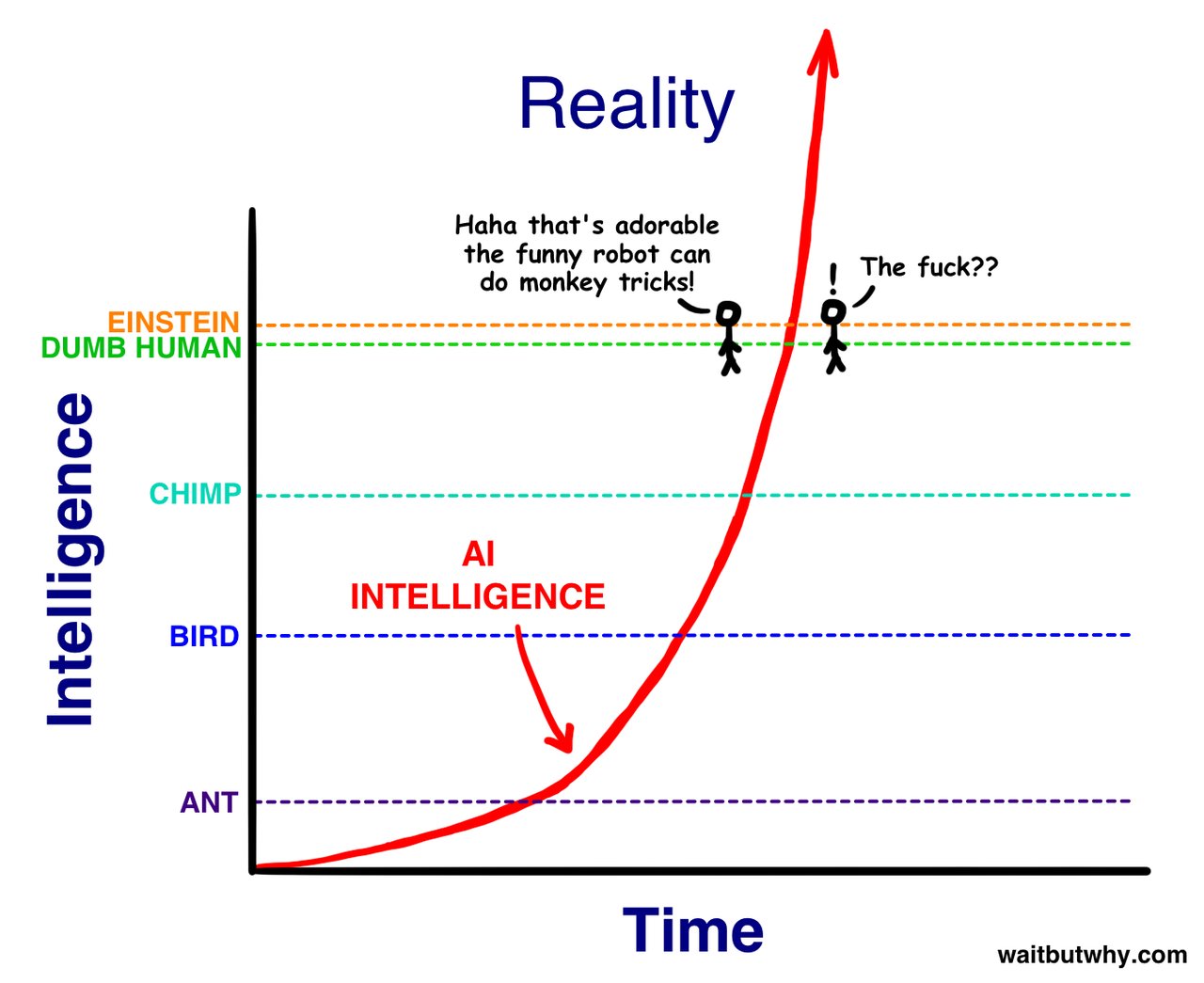
The confession nobody in tech wants to make
Garg isn't a pundit speculating from the sidelines. He's a working CTO who uses AI every day. And he's saying something most tech leaders won't: the primary skills he has left are taste, direction, and synthesis — not raw cognitive horsepower.
"I have on five separate occasions produced output that I would have previously estimated at four weeks of hands-on engineering work," Garg writes. "Each took roughly 45 minutes with a single well-crafted, well-directed prompt in Claude Code."
He stopped brainstorming with human colleagues. His primary intellectual partner is now AI. And he believes this isn't unique to him — it's a preview of what's coming for everyone who works with their brain for a living.
The $80K–$400K salary bracket is most at risk
The essay maps out who gets hit hardest, and the answer isn't who you might expect. It's not factory workers or retail clerks. It's knowledge workers earning between $80,000 and $400,000 a year — lawyers, analysts, designers, developers, consultants.
Garg's timeline:
- Within 3–5 years: the majority of cognitive jobs (work you do with your brain — writing, coding, analyzing, designing) will be substantially automated
- Within 5–10 years: physical labor (construction, plumbing, agriculture) begins automation at scale, compressed by the fact that AI is now doing the R&D that previously bottlenecked robotics
Why the upper-middle class? Because their skills are the most directly replaceable by AI, but they lack the diversified capital (investments, property, business ownership) that truly wealthy people use as a safety net.
What AI won't replace
The essay isn't all doom. Garg identifies a clear line between what becomes nearly free and what stays scarce:
Approaching zero cost: Software development, legal drafting, medical diagnosis, financial modeling, translation, design, customer support, education content
Stays scarce and valuable: Physical presence and embodied experiences, real land and property, athletic achievement, handcrafted goods, taste and curation (knowing what's good), community and social capital, spiritual meaning, political representation, risk-bearing decisions
In other words: if your job involves processing information, AI is coming for it. If it requires being physically present, making judgment calls about what matters, or building human relationships — those skills become more valuable, not less.
The identity crisis nobody is preparing for
Perhaps the most striking part of the essay is Garg's argument about identity. Losing a job isn't just about losing income. For knowledge workers, work IS identity.
He draws a parallel to the deindustrialization of cities like Detroit and Youngstown in the 1970s and 80s, citing research from Deaths of Despair: "Jobs are not just money; they are the basis for working-class life." Knowledge workers, he argues, face the same kind of identity shattering — but compressed into years instead of decades.
And he warns: historically, educated populations experiencing sudden displacement and betrayed expectations become politically destabilizing forces. The French Revolution and Arab Spring both followed patterns of educated people losing their expected social position.

The essay that wrote itself (almost)
In a meta twist, Garg wrote this 22,000-word essay through 41 iterative drafts with Claude, using his own product Wispr Flow to voice his thoughts and then letting the AI push back on weak arguments. The entire process took about eight hours.
That fact alone proves his point: the essay you'd expect a Stanford CTO to spend weeks crafting was produced in a single workday with AI assistance.
Who should read this — and what to do about it
If you're a knowledge worker (and if you're reading this, you probably are): Garg's advice is to shift toward the skills that stay scarce. Taste. Curation. Judgment. Human connection. The ability to decide what's worth building — not just the ability to build it.
If you're a manager or business owner: The essay argues that organizations need to redesign workflows around human-AI partnerships, not just bolt AI onto existing processes.
If you're a student: The traditional playbook of "get a degree, get a knowledge job, climb the ladder" may not hold. Garg suggests the most valuable investment is learning to work with AI as a partner, not competing against it.
The window to adapt, Garg argues, is now — before the transition peak hits in 3–5 years.
Read the full essay: The Displacement of Cognitive Labor and What Comes After
Related Content — Get Started with Easy Claude Code | Free Learning Guides | More AI News
Stay updated on AI news
Simple explanations of the latest AI developments