Super Micro co-founder arrested in $2.5B AI chip smuggling scheme
Federal prosecutors arrested Super Micro Computer's co-founder for allegedly smuggling $2.5 billion in Nvidia AI chips to China. Stock dropped 14%.
A co-founder of Super Micro Computer — one of America's largest AI server makers — was arrested Thursday for allegedly running a $2.5 billion scheme to smuggle advanced Nvidia AI chips to China. The company's stock crashed 14% on the news.
This is the biggest AI chip smuggling case ever brought by the U.S. government, and it shows just how far some insiders will go to get banned AI technology into China's hands.
Three insiders, one elaborate scheme
Federal prosecutors in Manhattan charged three people connected to Super Micro Computer (also known as Supermicro, ticker: SMCI):
Yih-Shyan "Wally" Liaw, 71 — Super Micro co-founder and board member. Arrested in California.
Ting-Wei "Willy" Sun, 44 — A contractor for the company. Arrested in California.
Ruei-Tsang "Steven" Chang, 53 — A sales manager based in Taiwan. Still a fugitive.
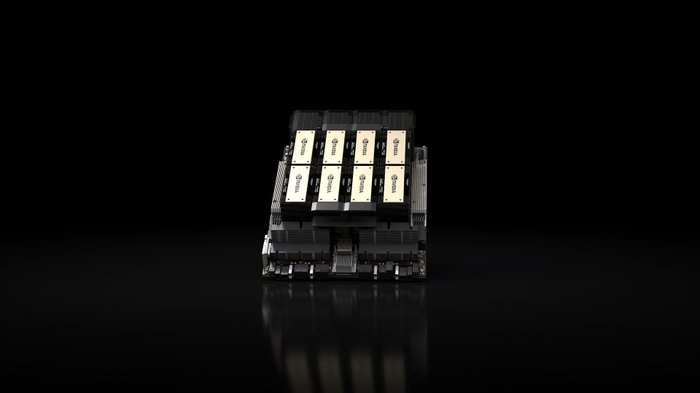
According to the Department of Justice indictment, the three men directed a company in Southeast Asia to place orders for $2.5 billion worth of servers assembled in San Jose, California. At least $510 million worth of those servers — packed with Nvidia's most advanced B200 and H200 GPUs (the processors that power today's most capable AI systems) — were then secretly diverted to China.
Fake documents, dummy servers, and a fake lawyer
The scheme wasn't simple. Prosecutors describe an elaborate operation designed to fool both the U.S. government and Super Micro's own compliance team:
Fabricated documents — Shipping paperwork was falsified to hide where the servers were really going.
Staged dummy servers — When government auditors came to inspect, the defendants set up non-functional replica servers in warehouses to make it look like the equipment was still in approved locations.
Front companies — A pass-through company in Southeast Asia acted as the fake "end customer," when the real buyers were in China.
One defendant posed as a lawyer during a U.S. government inspection to make the operation appear legitimate.
The operation ran from 2024 to 2025, according to the indictment filed in Manhattan federal court.
Up to 30 years in prison
Each defendant faces three federal charges:
• Violating the Export Controls Reform Act — up to 20 years in prison
• Smuggling goods from the United States — up to 5 years
• Conspiracy to defraud the United States — up to 5 years
If convicted on all counts, each person faces up to 30 years in prison.
Why the U.S. bans these chips
Since October 2022, the U.S. government has restricted exports of advanced AI chips to China over concerns they could be used to build military AI systems, mass surveillance tools, and cyberweapons. Nvidia's H200 and B200 GPUs are among the most powerful processors ever made for AI training — the kind of hardware needed to build systems like ChatGPT or autonomous weapons.
As one prosecutor put it: "The country that controls these chips will control AI technology."
This case is part of a growing crackdown. In a separate case last year, four Americans were charged with smuggling $3.89 million in Nvidia GPUs and supercomputers to China. But the Super Micro case dwarfs that — at $2.5 billion, it's 640 times larger.

Super Micro's response — and the stock crash
Super Micro issued a statement saying the company itself was not named as a defendant. It called the alleged conduct "a contravention of the Company's policies and compliance controls" and said the two employees are on administrative leave while the contractor relationship has been terminated.
But investors weren't reassured. Super Micro shares dropped as much as 14.6% in after-hours trading on Thursday. The company was already under scrutiny — Hindenburg Research previously flagged concerns about accounting practices and sanctions evasion at the firm.
The bigger picture: AI's new arms race
This arrest comes at a tense moment in the U.S.–China AI rivalry. Just this week, Nvidia restarted H200 production for approved sales to Chinese customers after receiving government licenses. The legal channel is slowly opening — but the illegal one, this case shows, has been running in parallel for years.
For anyone working in AI, this case is a stark reminder: the chips powering your favorite AI tools are now strategic assets, guarded as seriously as military technology. The era of freely shipping compute power around the world is over.
Related Content — Get Started with Easy Claude Code | Free Learning Guides | More AI News
Stay updated on AI news
Simple explanations of the latest AI developments