Uber just bet $1.25 billion on Rivian to build 50,000 AI robotaxis
Uber will invest up to $1.25B in Rivian to deploy 50,000 autonomous R2 robotaxis across 25 cities by 2031. First rides start in Miami and San Francisco in 2028.
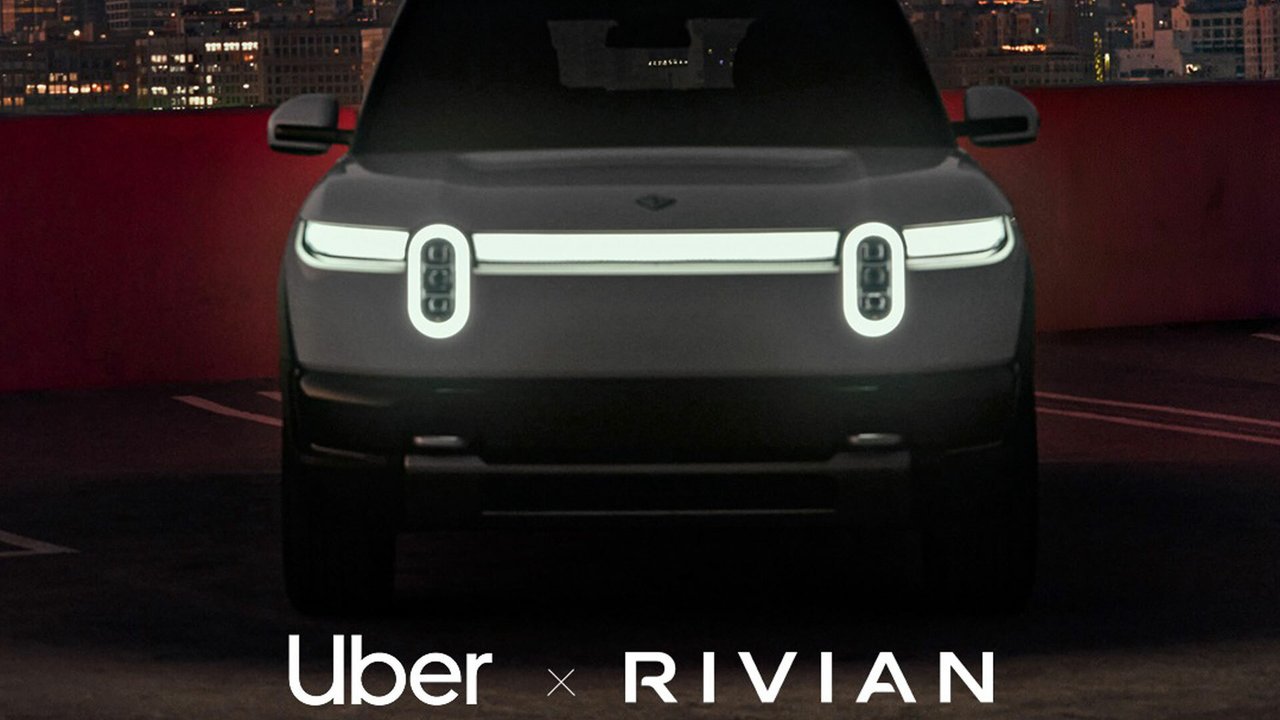
Uber and Rivian just announced one of the biggest autonomous vehicle deals in history. Uber will invest up to $1.25 billion in Rivian to build and deploy up to 50,000 fully self-driving robotaxis — electric SUVs that pick you up with no human driver at all.
The first batch of 10,000 vehicles will hit the streets of Miami and San Francisco in 2028, with plans to expand to 25 cities across the US, Canada, and Europe by the end of 2031.
The biggest self-driving bet since Waymo
Here's how the money works: Uber puts in $300 million upfront once regulators approve the deal. Four more investment rounds follow through 2031, but only if Rivian hits autonomous driving performance milestones. If everything goes to plan, Uber could buy up to 40,000 additional vehicles starting in 2030.
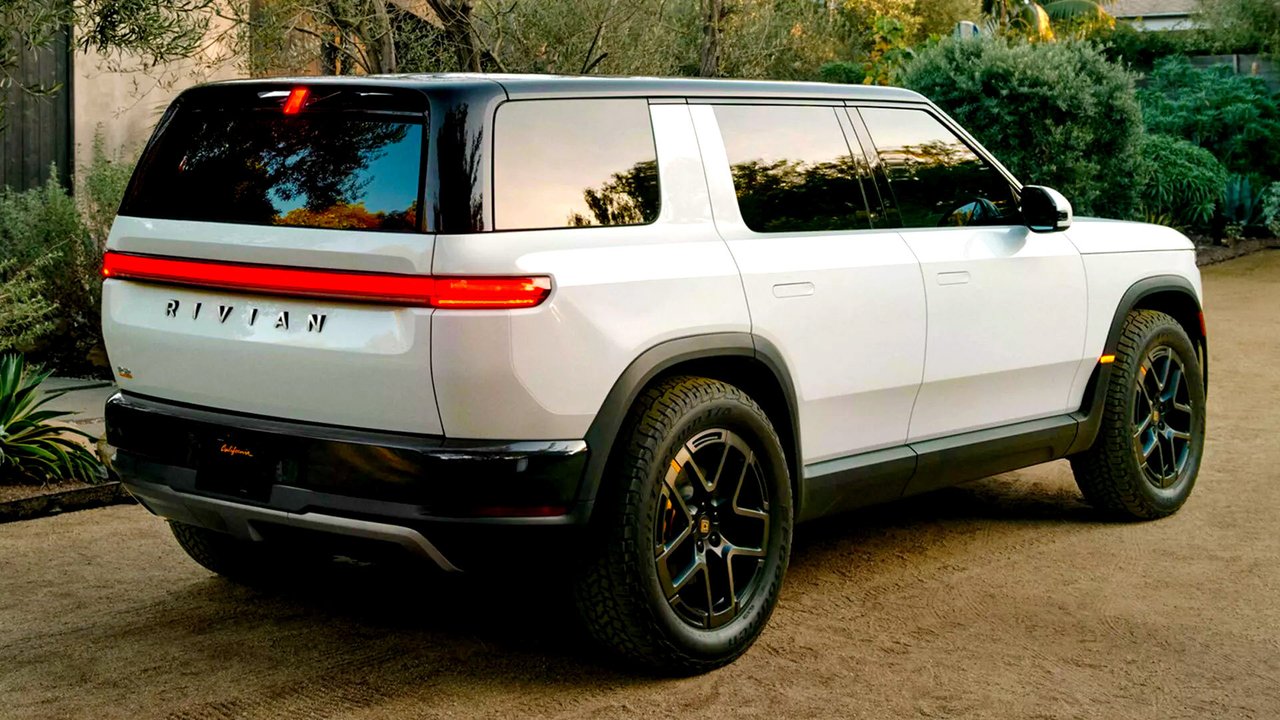
The robotaxis will be based on Rivian's upcoming R2 electric SUV, which is smaller and more affordable than Rivian's current R1 lineup. But unlike the consumer version, these R2s will come loaded with self-driving hardware that no regular buyer can get.
- $1.25 billion — total potential Uber investment
- 50,000 — maximum robotaxis to be deployed
- 25 cities — across the US, Canada, and Europe
- 2028 — first rides in Miami and San Francisco
- 1,600 TOPS — AI computing power per vehicle (enough to process 11 cameras, 5 radars, and 1 LiDAR sensor simultaneously)
What's under the hood: Rivian's AI brain
Each robotaxi will run on Rivian's third-generation autonomy platform — a self-driving system with a sensor suite that would make most tech companies jealous:
- 11 cameras with 65 megapixels total — more visual detail than most dashcam systems combined
- 5 radar sensors — to detect objects even in fog, rain, or darkness
- 1 LiDAR sensor (a laser-based 3D scanner that creates a precise map of everything around the car)
- Two custom RAP1 chips delivering 1,600 TOPS of AI compute (TOPS = trillions of operations per second — for comparison, a high-end gaming laptop does about 300 TOPS)
Rivian CEO RJ Scaringe says the partnership will "accelerate our path to Level 4 autonomy" — meaning the car drives itself in most conditions without needing a human backup. Uber CEO Dara Khosrowshahi praised Rivian's approach of "designing the vehicle, compute platform, and software stack together."
How this changes the robotaxi race
Right now, Waymo (Google's self-driving division) leads with about 3,000 vehicles across 10 metro areas, completing roughly 400,000 paid trips per week. Tesla has just 44 autonomous vehicles running in Austin. This deal could make Uber and Rivian the biggest player overnight — 50,000 vehicles would dwarf everyone.
But there's a catch: Waymo's robotaxis are already on the road today. Rivian's won't arrive until 2028, and only if the autonomous driving system reaches the required safety level. Former Uber CEO Travis Kalanick recently said Waymo is "obviously" ahead of Tesla and that the industry still needs a "ChatGPT moment" for self-driving to truly take off.
- Tesla: ~$8.17 per ride in San Francisco (cheapest, but 15-minute average wait times)
- Waymo: Premium pricing but 5.7-minute average wait times
- Uber/Rivian: Pricing TBD — but Uber's existing network means potentially shorter wait times once deployed
What this means if you use Uber
If you're a regular Uber rider, the experience won't change overnight. But starting in 2028, you might open the Uber app in Miami or San Francisco and see an option for a driverless ride. The R2 robotaxis will be exclusive to Uber's platform — you won't find them on Lyft or anywhere else.
For everyone else, this deal signals that the era of mass-market robotaxis is getting very real. When a company bets $1.25 billion on autonomous vehicles arriving in 25 cities within five years, it's no longer science fiction — it's a business plan with a deadline.
Related Content — Get Started with Easy Claude Code | Free Learning Guides | More AI News
Stay updated on AI news
Simple explanations of the latest AI developments