A 19-year-old just trademarked his own face to fight AI
Darts champion Luke Littler filed to trademark his face at the UK IP Office to stop AI deepfakes. Experts say it's smart — but not enough.
A 19-year-old darts champion just did something no athlete has done before in the UK: he applied to legally own his own face.
Luke Littler — the back-to-back World Darts Champion — filed an application with the UK Intellectual Property Office to trademark his face. The goal: stop AI-powered deepfakes and counterfeit products from using his likeness without permission.
Why a darts player needs to trademark his face
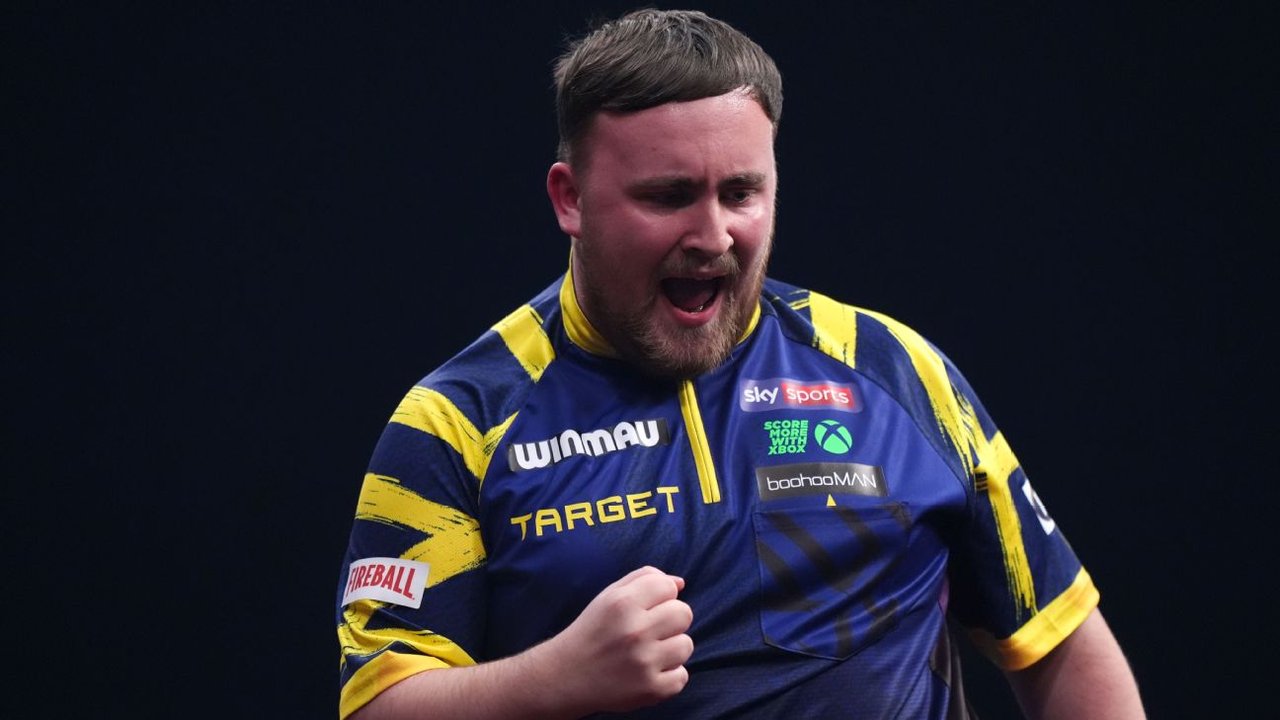
Littler isn't just a sports star — he's a commercial brand worth £20 million in sponsorship deals. His face appears on dartboards, video games, bags of nuts, and fashion merchandise through partnerships with companies like Target Darts and Xbox.
As AI image generation tools have improved, so has the flood of fake merchandise. Anyone with a generative AI tool (a program that creates realistic images from text descriptions) can now produce convincing product photos featuring Littler's face — and sell them without paying a penny.
Sports marketing strategist Michael Porter explains why this matters: "When a brand signs an athlete, they're buying exclusivity. AI breaks that logic."
Experts: smart move, but not a silver bullet
IP lawyers are calling Littler's move forward-thinking — with caveats.
Alex Newman, an IP lawyer, praised the approach: "This shows he's thinking expansively about controlling distinctive personal brand assets like his likeness."
But Jonty Warner from Warner IP warned about limitations: "A trademark registration gives potential enforcement against counterfeits and deepfakes. It's definitely not a silver bullet."
The biggest catch: trademark protection only covers specific categories of goods and services. If someone creates a deepfake video of Littler endorsing a product in a category he hasn't registered, the trademark won't help. And Littler must prove his face functions as a "badge of commercial origin" — something harder to demonstrate than a logo or brand name.
One lawyer even noted that Littler, at 19, may need to refile as his appearance changes over the years.
The UK's missing piece: personality rights
Unlike the United States, where celebrities can sue under "right of publicity" laws, the UK has no standalone image rights. This means British public figures have very limited tools to stop others from using their face commercially.
Littler joins actor Matthew McConaughey among celebrities who have filed to protect their likeness from AI misuse. But McConaughey filed in the US, where the legal framework is stronger.
The UK government has acknowledged the gap. Discussions are underway about introducing new "personality rights" legislation to protect individuals from digital replication — but no timeline has been set.
What this means for everyone — not just celebrities
This isn't just about darts or celebrity merchandise. AI-generated deepfakes are a growing problem for ordinary people too:
- Job seekers whose faces appear in fake LinkedIn profiles
- Small business owners whose likeness gets used in scam advertisements
- Anyone whose photo could be turned into misleading content
Littler's trademark application is one of the first real-world tests of whether existing IP law can keep up with AI. If it works, it could create a template for others. If it doesn't, it will add pressure for governments to write new rules.
Littler has already trademarked his "The Nuke" nickname in the United States. His face trademark is currently under examination at the UK Intellectual Property Office.
Related Content — Get Started with Easy Claude Code | Free Learning Guides | More AI News
Stay updated on AI news
Simple explanations of the latest AI developments