This AI trains robots from video — just raised $450M
Rhoda AI just exited stealth with $450M at a $1.7B valuation. Its FutureVision system trains robots by watching internet videos — then adapts to real factories in under 10 hours.
Most robots fail the moment something unexpected happens. A box is tilted slightly. A part is missing. The lighting changes. Rhoda AI thinks it has the fix — and just raised $450 million to prove it.
The Menlo Park startup emerged from 18 months of secrecy this month with a $1.7 billion valuation and a radical idea: instead of programming robots with rigid instructions, teach them by showing them millions of internet videos of how the physical world actually works.
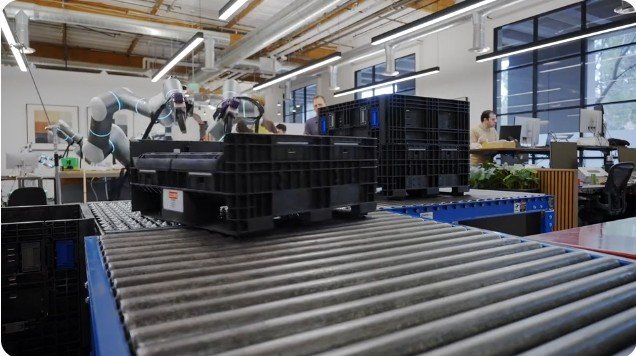
How FutureVision Teaches Robots to Think
Rhoda's core technology is called FutureVision — a system that works in three stages:
Stage 1 — Watch and learn: The AI studies hundreds of millions of online videos to understand how objects move, how gravity works, how materials bend and break. Think of it as giving the robot a lifetime of observation before it ever touches anything.
Stage 2 — Practice with guidance: The system gets fine-tuned with real robot data — often as little as 10 hours of human-guided operation for a new task.
Stage 3 — Predict and act: Every few hundred milliseconds, the robot observes its surroundings, predicts what will happen next (as a mental "video"), and adjusts its actions in real time.
This approach is called video-predictive control. Unlike traditional robots that follow a fixed script, Rhoda's system continuously updates what it's doing based on what it sees — similar to how a human driver adjusts to unexpected road conditions rather than blindly following GPS.
Already Working in Real Factories
This isn't just lab research. Rhoda says its robots have already been tested in live manufacturing environments where conditions change constantly — different materials, shifting layouts, unexpected obstacles.
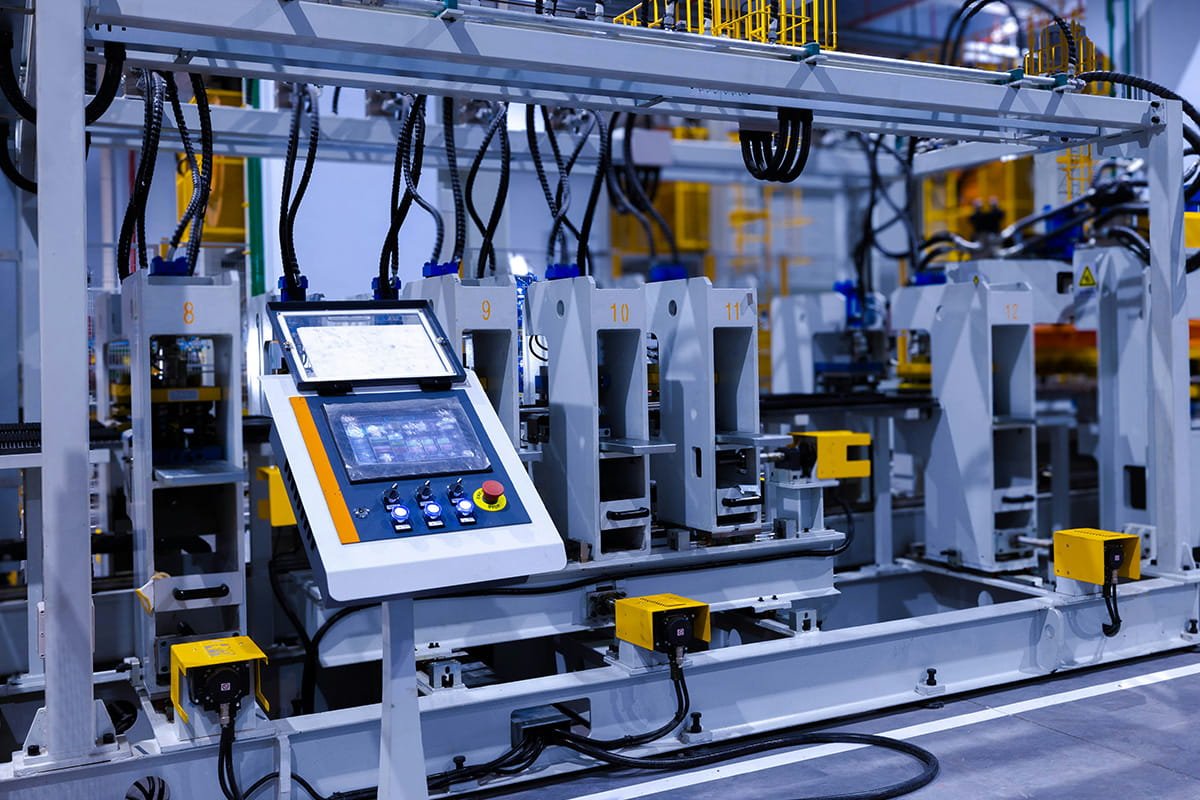
In one high-volume production test, a Rhoda-powered robot completed a full component-processing cycle in under 2 minutes per unit — without any human help — exceeding the customer's performance targets.
The company plans to license FutureVision to robot manufacturers and software platforms rather than building its own hardware, positioning itself as an "AI brain" that any robot body can use.
$1.2 Billion Poured Into Robot AI in a Single Week
Rhoda's raise is part of a massive wave. In the same week:
• Mind Robotics (spun out of Rivian) raised $500M for factory robots — $2B valuation
• Sunday raised $165M to reach unicorn status in household robotics
• Oxa raised $103M for autonomous vehicle software
• Combined: over $1.2 billion in one week for AI-powered robots
Add in Figure AI's momentum and SkildAI's $1.4 billion round earlier this year, and 2026 is on track for $20 billion+ in robotics funding — a pace never seen before.
Who's Backing the Bet
Rhoda's investor list reads like a who's who of deep tech: John Doerr (legendary Kleiner Perkins partner), Khosla Ventures, NVIDIA's NVentures, Samsung NEXT, Temasek (Singapore's sovereign wealth fund), and Premji Invest (which led the round).
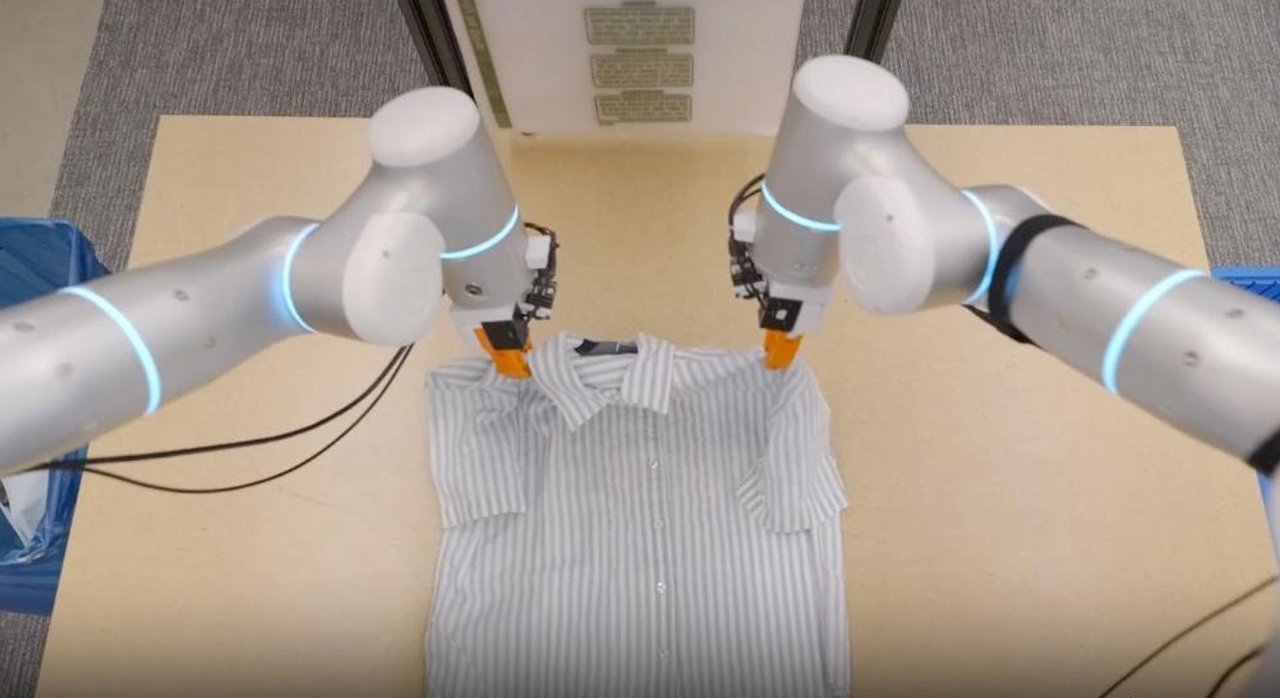
CEO Jagdeep Singh framed the mission simply: "Robots that work in the real world, not just controlled lab settings."
What This Means If You Work With Automation
If you manage a warehouse, factory, or logistics operation, Rhoda's approach signals a shift. Traditional industrial robots (the kind bolted to factory floors) need expert programming for every task. They break when conditions change.
Video-trained robots like Rhoda's can potentially learn new tasks in hours instead of weeks — and adapt on the fly. The 10-hour fine-tuning window means a robot could theoretically learn your specific production line over a weekend.
The catch: Rhoda isn't selling robots directly yet. It's licensing the AI to partners. So the question for operations managers isn't "should I buy a Rhoda robot?" — it's "which robot manufacturer will integrate FutureVision first?"
Related Content — Get Started with Easy Claude Code | Free Learning Guides | More AI News
Sources
Stay updated on AI news
Simple explanations of the latest AI developments