One company just retired 400 ChatGPT licenses — in 40 days
Workday launched Sana, an AI built into your existing work tools. One firm retired 400 ChatGPT licenses and hit 90% adoption in 40 days — at no extra cost.
A company called Berner just did something that might signal where workplace AI is heading: it retired every single ChatGPT license it had — 400 of them — and replaced them with an AI that lives inside the tools employees already use. It took 40 days. Adoption hit 90%.
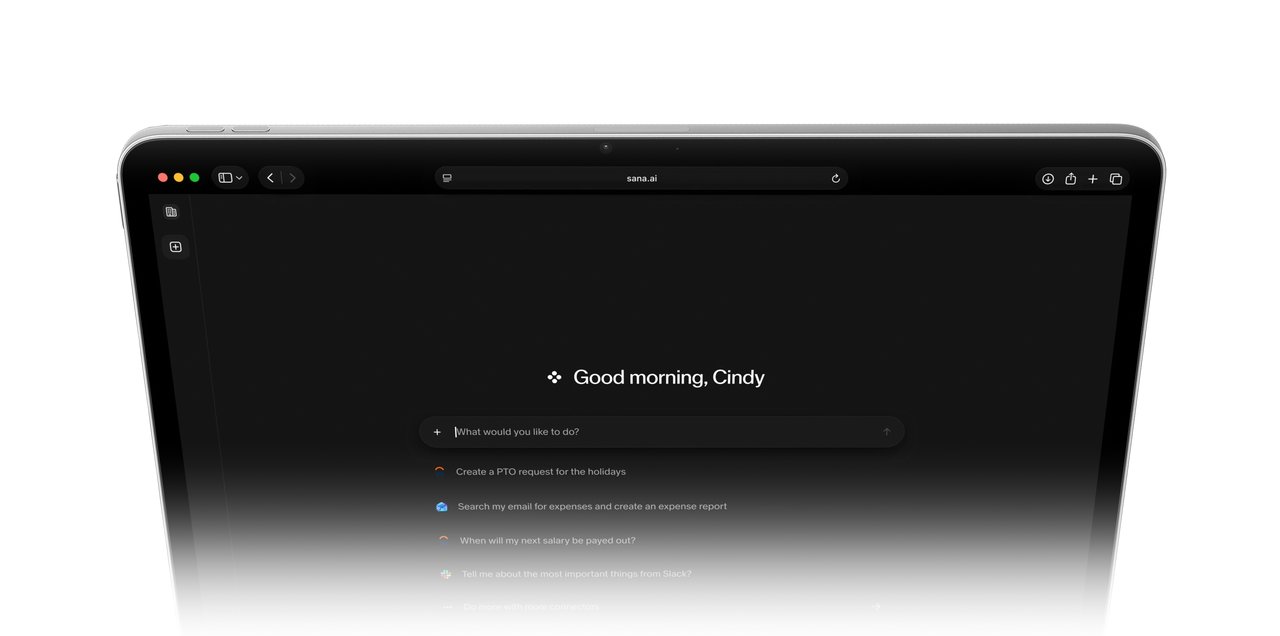
The tool is called Sana from Workday, and it launched globally on March 17, 2026. Unlike ChatGPT, which sits in a separate browser tab, Sana is woven directly into Workday — the system millions of HR and finance workers already use every day to manage payroll, time off, and benefits.
Why employees switched from ChatGPT
The problem with using ChatGPT at work is simple: it doesn't know anything about your company. It can't check your remaining vacation days, file an expense report, or look up your company's travel policy. Sana can.
Sana works in four ways:
Find — Ask a question in plain English like "How many vacation days do I have left?" and get an instant, sourced answer from your company's own data.
Act — Tell it "Update my address to 123 Main St" and it actually does it — checks your tax implications and benefits impact too.
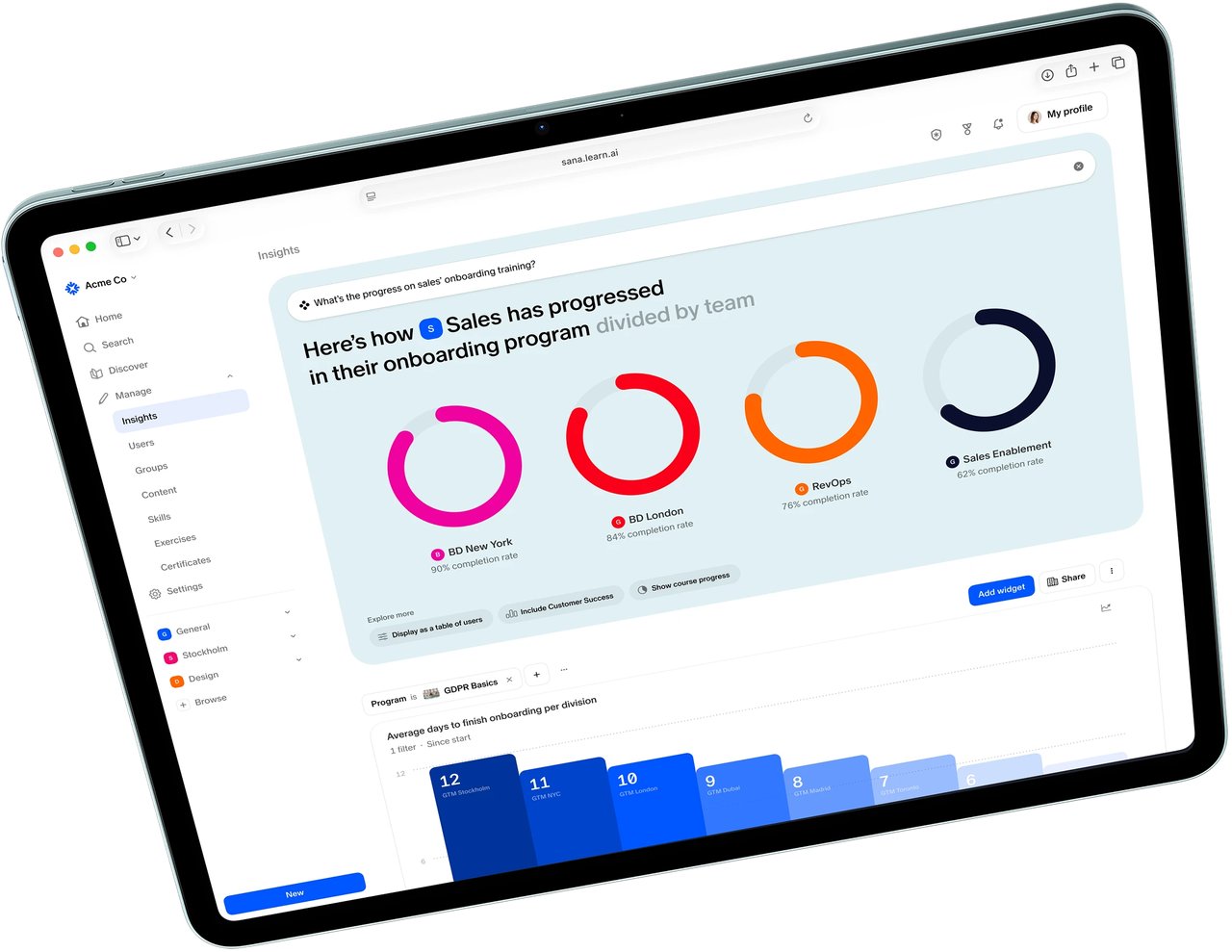
Build — Ask for a dashboard showing team absence trends, and it creates one on the spot.
Automate — Set up multi-step workflows like "Every time a new employee joins, give them access to Slack, assign their onboarding buddy, and send a welcome email" — no coding required.
The numbers that matter
Workday isn't just making promises — early customers are reporting hard results:
• 10 hours saved per week per employee
• 62% reduction in meeting prep time
• 95% faster answers to product questions
• 2x more service issues resolved
• 5x higher adoption when employees connect 5+ work apps
At Telavox, another early customer, the team redesigned its processes assuming "Sana can handle 80% of execution." At Cheffelo, it went from an experiment to what the company calls its "AI backbone — where work starts and knowledge lives."
How Sana is different from other AI assistants
Microsoft Copilot, Google Gemini, and ChatGPT all compete for the "AI at work" title. But Sana takes a different approach: instead of being another chatbot you talk to, it acts as an agent that actually does things inside your company's systems.
It comes with 300+ pre-built skills for common HR and finance tasks — payroll questions, time-off requests, expense reports — and connects to 18 workplace apps including Slack, Gmail, Salesforce, Google Drive, Jira, ServiceNow, and SharePoint.
The security angle matters too. Unlike ChatGPT, where employees might accidentally paste confidential data into an external tool, Sana inherits Workday's existing security permissions. If you shouldn't see certain salary data in Workday, you won't see it through Sana either.
What this costs
Here's the part that made Berner's CFO happy: Sana for Workday is included at no extra cost. Existing Workday customers get access through their Flex Credits — the credits they already receive as part of their subscription. No separate license. No new contract.
For companies that want Sana to work beyond Workday (connecting to Salesforce, Slack, and other tools), there's Sana Enterprise, which requires an upgrade. Pricing for that tier hasn't been publicly disclosed.
Who should pay attention
If you work in HR or finance and your company uses Workday, this is worth asking your IT team about. The self-service agent alone — handling routine questions like "What's our parental leave policy?" or "How do I submit an expense report?" — could save your team hours of repetitive work every week.
If you're a manager, the workflow automation is the bigger deal. Onboarding a new hire, running recurring reports, tracking approvals — all of this can now be set up with plain English instructions instead of IT tickets.
If you're evaluating AI tools for your company, the Berner case study is a wake-up call. Employees don't need a general-purpose AI chatbot — they need AI that's connected to the systems they already use. That's what drove 90% adoption in 40 days.
Workday acquired Sana (originally a Swedish AI startup called Sana Labs) for $1.1 billion in November 2025. The full integration took just four months — unusually fast for enterprise software acquisitions. Over 400 Workday customers are already using the self-service agents, and the company is now rolling out the platform worldwide.
Related Content — Get Started with Easy Claude Code | Free Learning Guides | More AI News
Stay updated on AI news
Simple explanations of the latest AI developments