This $1.75B startup just taught bulldozers to drive themselves
Bedrock Robotics just raised $270M to put self-driving AI in construction equipment. NVIDIA invested. The U.S. needs 800,000 more construction workers — robots may fill the gap.
A startup that turns ordinary construction equipment into self-driving machines just raised $270 million and hit a $1.75 billion valuation. Bedrock Robotics doesn't build new machines — it retrofits existing bulldozers, rollers, and excavators with plug-in AI systems that let them operate autonomously.
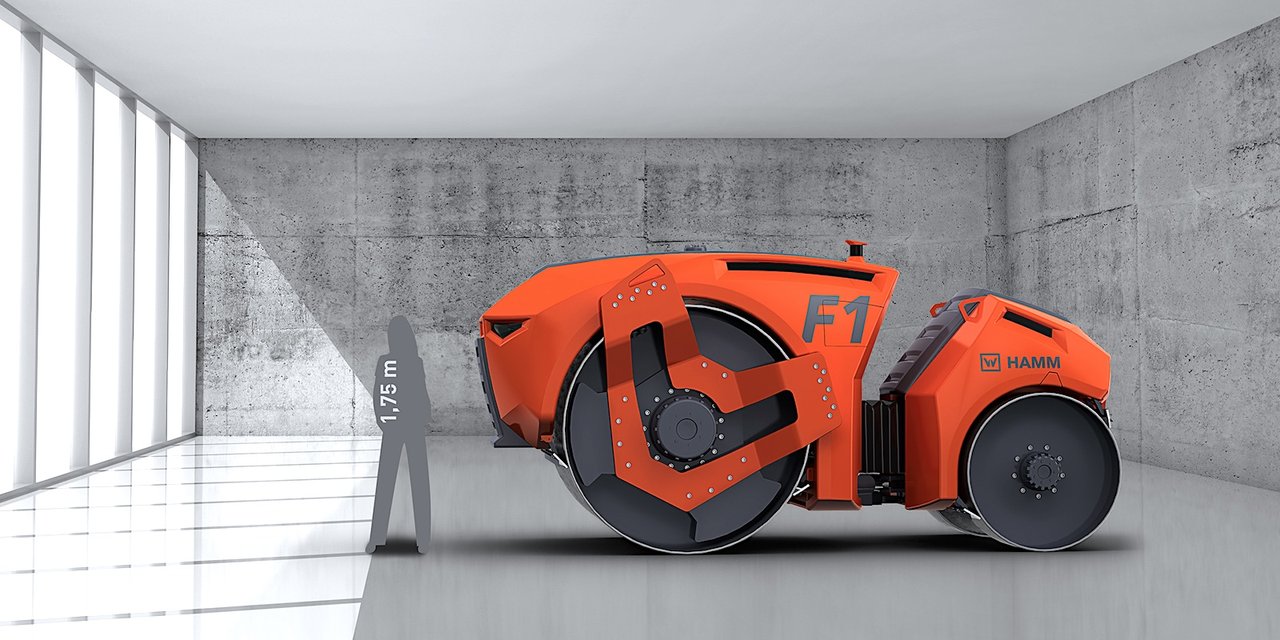
$270M from NVIDIA and top investors
The Series B round was led by CapitalG (Google's independent growth fund) and Valor Equity Partners, with NVIDIA's venture capital arm NVentures also participating. Total funding now exceeds $350 million. When NVIDIA — the company that powers most of the world's AI — puts money behind a construction robotics startup, it signals something significant about where AI automation is heading next.
800,000 workers short — and counting
The timing isn't accidental. The U.S. construction industry needs an estimated 800,000 additional workers over the next two years, and there aren't enough humans willing or able to fill those roles. Roads still need paving. Buildings still need foundations. Infrastructure still needs maintenance.
"The construction industry is being asked to build more than it can deliver," said Bedrock CEO Boris Sofman. Rather than replacing workers, the company positions its technology as a force multiplier — one operator can now manage multiple self-driving machines simultaneously across different parts of a job site.
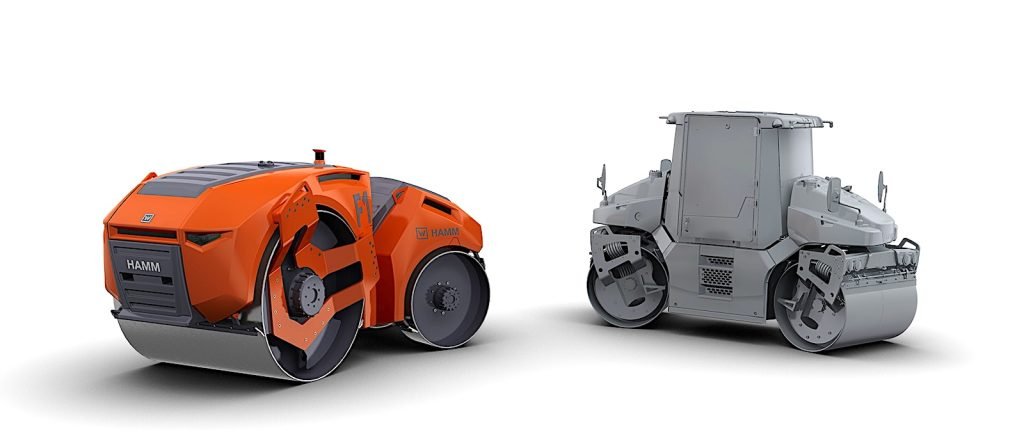
How the AI learns to operate heavy machinery
Bedrock's approach is clever: the system watches experienced operators work remotely, learns their patterns, and then performs the same tasks independently. Think of it as an apprenticeship — but instead of years, the AI picks up skills in weeks. The plug-in hardware kit can be added to existing equipment that construction companies already own, which means firms don't need to buy entirely new fleets.
Why construction, why now?
Self-driving cars get all the attention, but construction sites are actually easier for AI to handle: no pedestrians darting into traffic, no complex urban intersections, and the machines move slowly. Bedrock is applying the same sensor-and-AI approach that companies like Waymo use on roads — but in controlled environments where the stakes of a mistake are lower.
Not just Bedrock — the industry is shifting
Wirtgen, one of the world's largest construction equipment manufacturers (through its HAMM brand), is independently developing autonomous roller concepts. When both startups and incumbents are racing toward the same solution, it usually means the market is about to tip. Other players include Terabase Energy, which recently launched an AI robot that builds solar farms 24/7.
What this means for construction workers and project managers
If you work in construction or manage infrastructure projects, autonomous equipment isn't replacing your crew — it's multiplying what they can do. A single skilled operator overseeing three self-driving rollers can cover ground that previously required three separate crews. For project managers facing impossible deadlines with too few workers, that math changes everything.
For the rest of us, it means the roads, buildings, and infrastructure we depend on might actually get built on time — because the machines don't take breaks, don't get tired, and don't quit when a better offer comes along.
Related Content — Get Started with Easy Claude Code | Free Learning Guides | More AI News
Sources
Stay updated on AI news
Simple explanations of the latest AI developments