A data center powered by living brain cells just played Doom
Cortical Labs built a cloud service where 120 biological computers — each running 200,000+ living neurons — are available via API. Staff swap cerebrospinal fluid daily.
An Australian startup just opened a data center that runs on living human brain cells — and the computers inside it can play Doom.
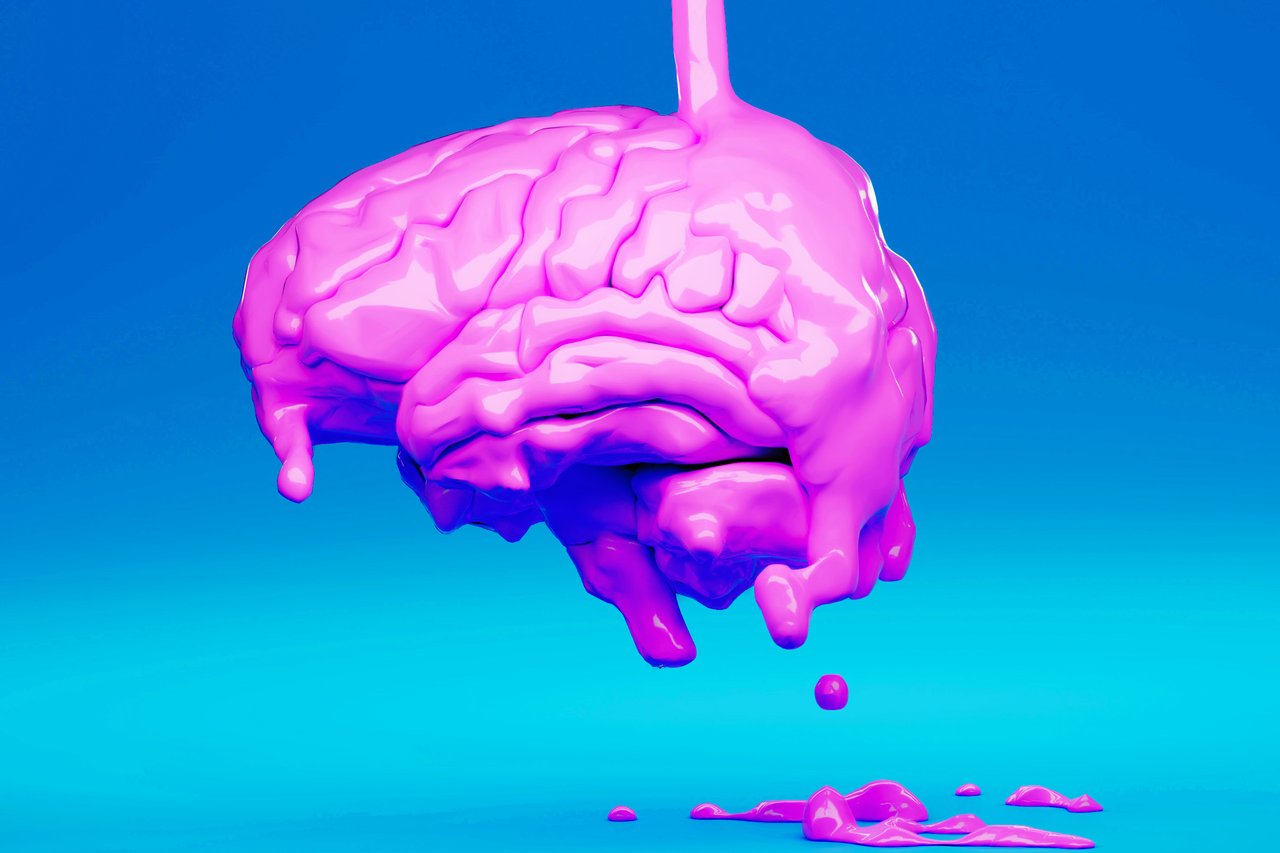
Cortical Labs, founded by CEO Hon Weng Chong, has deployed 120 biological computers called CL1 units in Melbourne. Each one contains upwards of 200,000 living neurons — real brain cells grown from human and rodent stem cells — sitting on silicon chips. Together, they form what the company calls the world's first code-deployable biological computer cloud.
The daily routine no IT team expected
Maintaining these computers looks nothing like running a traditional server farm. Every 24 hours, technicians must drain and replace the cerebrospinal fluid (the liquid that normally surrounds your brain) because the neurons consume all the oxygen and glucose in it overnight. Staff also adjust the atmosphere inside each unit to roughly 5% oxygen — about one-quarter of what we breathe — by adding nitrogen and carbon dioxide.
"We remove the fluid every 24 hours," Chong told The Register. Each job takes about one week to prepare because technicians need to source the right cell types and build custom environments for specific tasks.
From Pong in 2022 to Doom in 2026
Cortical Labs first made headlines in 2022 when their neurons in a petri dish taught themselves to play Pong — the simple 1970s paddle game. Now the CL1 can handle Doom, the 1993 first-person shooter that requires navigating 3D environments, managing weapons, and reacting to enemies. That's an enormous leap in complexity, and it demonstrates that biological neural networks (networks of real brain cells, not the software kind) can handle sophisticated real-time tasks.
What makes biological computers different?
Traditional AI runs on GPUs that consume enormous amounts of electricity. A single CL1 unit uses less power than a handheld calculator. Chong claims these biological systems can learn about new environments faster than classical computers and generate genuinely novel solutions — rather than just reorganizing data they've already seen.
A cloud service you can rent today
The 120-unit Melbourne datacenter isn't just a lab experiment — it's a commercial cloud service. Customers can access biological computers via API, Jupyter Notebooks (a popular coding environment), or by uploading Python code directly. You pay by credit card, similar to how you'd rent server time from Amazon Web Services.
Typical customers rent three or four CL1 units at once — enough for experimental work with proper duplication and control groups. Early adopters are expected to be scientific labs, pharmaceutical researchers, and banks exploring cutting-edge computing, much like the early days of quantum computing.
Singapore expansion: 1,000 brain computers
Cortical Labs is already building a second facility in Singapore designed to house up to 1,000 CL1 units. That's a massive scale-up from the current 120. Chong sees one critical bottleneck ahead: the world needs a "cell foundry" — a biological equivalent of TSMC (the company that manufactures most of the world's computer chips) — to make this technology widely accessible.
Why this matters beyond the headlines
The energy implications alone are staggering. As AI companies race to build data centers that consume as much electricity as small countries, Cortical Labs is betting that biology can do the same work for a fraction of the energy. If biological computing scales, it could fundamentally change how we think about the infrastructure behind AI.
For now, the CL1 remains experimental — playing Doom is impressive but it's still a proof of concept. The real question is whether brain-cell computers can eventually handle the tasks we currently throw at massive GPU clusters. Cortical Labs is betting the answer is yes.
Related Content — Get Started with Easy Claude Code | Free Learning Guides | More AI News
Stay updated on AI news
Simple explanations of the latest AI developments