Google just started rewriting your headlines with AI
Google is testing AI-generated headline rewrites in search results — changing how articles appear without publisher consent. ESPN and The Verge are already pushing back.
If you run a website, blog, or online publication, this matters: Google is testing an AI system that rewrites your headlines in search results — without asking. The experiment changes both article headlines and website titles to whatever Google's AI thinks will get more clicks.
The test was first spotted by Search Engine Land and confirmed by Google to 9to5Google. The company calls it "a small experiment" — but a similar "small experiment" in Google Discover eventually became a permanent feature.

Your headline in, Google's headline out
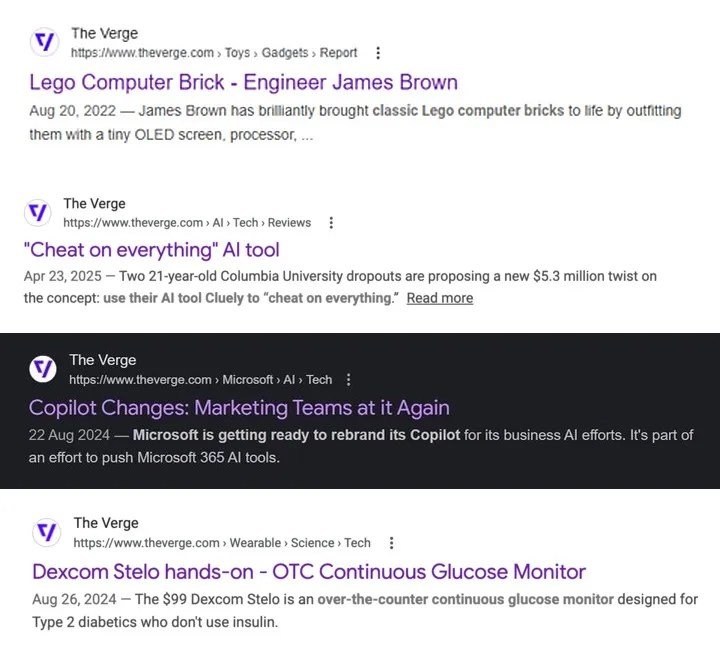
Here's what the rewrites look like in practice:
Original: "I used the 'cheat on everything' AI tool and it didn't help me cheat on anything"
Google's AI version: "'Cheat on everything' AI tool"
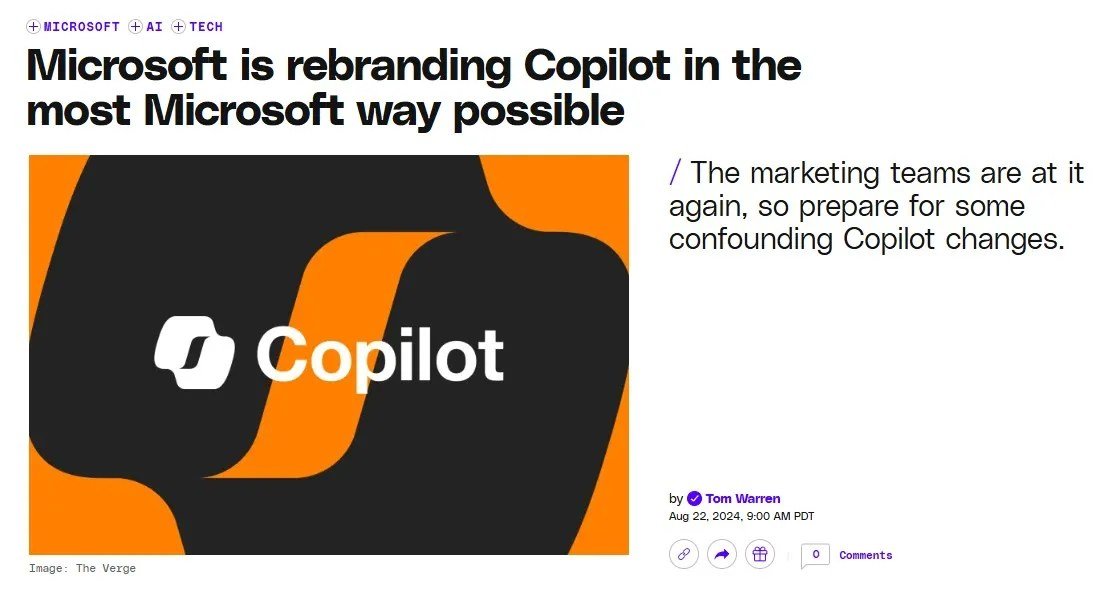
Original: "Microsoft is rebranding Copilot in the most Microsoft way possible"
Google's AI version: "Copilot Changes: Marketing Teams at it Again"
Notice how the AI strips out the writer's voice, removes nuance, and in one case completely changes the meaning. The first headline was a critical review — Google's version makes it sound like a neutral product listing. The second drops the editorial tone and invents a new angle ("Marketing Teams at it Again") that the original author never wrote.
Why publishers are alarmed
Sean Hollister from The Verge put it bluntly: "This is like a bookstore ripping the covers off books it puts on display and changing their titles." He added: "We spend a lot of time trying to write headlines that are true, interesting, fun, and worthy of your attention without resorting to clickbait."
ESPN's SEO Director Louisa Frahm pointed out that "a headline is the most prominent element for attracting readers in timely windows" — especially for breaking news where the exact wording tells readers whether an article has the latest update or is old news.
The concern isn't theoretical. Google already controls how much traffic publishers get through search rankings, featured snippets (those answer boxes at the top of Google), and AI Overviews (the AI summaries that often answer your question without you clicking anything). Now it's also rewriting how content appears in the few regular search results that remain.
Google says it won't use AI — but already is
In a curious statement, Google told The Verge that if the test eventually launches as a full feature, "it would not be using a generative model." But the test itself is using generative AI right now — and publishers have no way to opt out of it during the experiment.
Google's stated goal is to "identify content on a page that would be a useful and relevant title" and improve "matching titles to users' queries and facilitating engagement." In plain English: Google wants to rewrite your headline to make people click more — regardless of whether the rewritten version accurately represents your article.
Who this affects — and what you can do
Bloggers and content creators: Your carefully crafted headlines may appear completely different in Google. Track your click-through rates (CTR) in Google Search Console over the next few weeks to see if anything shifts unexpectedly.
Marketers and SEO professionals: Google already rewrites title tags about 33% of the time using page metadata. This AI test goes further — it generates entirely new headlines. Make sure your <title> tag, <h1>, and Open Graph metadata all align clearly so Google has less reason to override them.
News publishers: A similar Google Discover experiment eventually became permanent. If this follows the same path, publishers may permanently lose control over how their stories appear in the world's largest search engine.
The pattern that should worry everyone
This fits a broader trend: Google is steadily replacing publisher content with its own AI-generated versions. First came AI Overviews, which answer questions using publisher content without requiring a click. Then came Discover headline rewrites, which changed how stories appeared in Google's news feed. Now comes Search headline rewrites — the last major surface where publishers still controlled their own presentation.
For the 8.5 billion daily Google searches, this small experiment could reshape how information is presented across the entire internet — one rewritten headline at a time.
Related Content — Get Started with Easy Claude Code | Free Learning Guides | More AI News
Stay updated on AI news
Simple explanations of the latest AI developments