70% of gamers just called Nvidia's AI graphics 'slop' — Jensen says they're wrong
Nvidia's DLSS 5 demo sparked a meme storm after AI 'beautified' game characters. An IGN poll found 70% of gamers called it 'AI slop.' Jensen Huang says they're 'completely wrong.'
Nvidia just showed the world what AI-powered graphics could look like — and 70% of gamers hated it. The company's new DLSS 5 technology, revealed at GTC 2026, was supposed to be a breakthrough. Instead, it became the gaming industry's biggest meme in months.
In an IGN poll, nearly 70% of respondents called the results "Too much AI slop." Only 21% said "This is the future." And when CEO Jensen Huang was asked about the backlash, he told Tom's Hardware: "Well, first of all, they're completely wrong."
What DLSS 5 actually does — and why gamers are furious
DLSS (Deep Learning Super Sampling) has been Nvidia's marquee technology for years. Previous versions used AI to make games look sharper and run faster — upscaling lower-resolution images to look like they were rendered at full quality. Gamers loved it.
DLSS 5 is different. It uses generative AI (the same kind of technology behind image generators like Midjourney) to not just sharpen images, but generate entirely new visual details — textures, lighting, and even facial features that weren't in the original game.
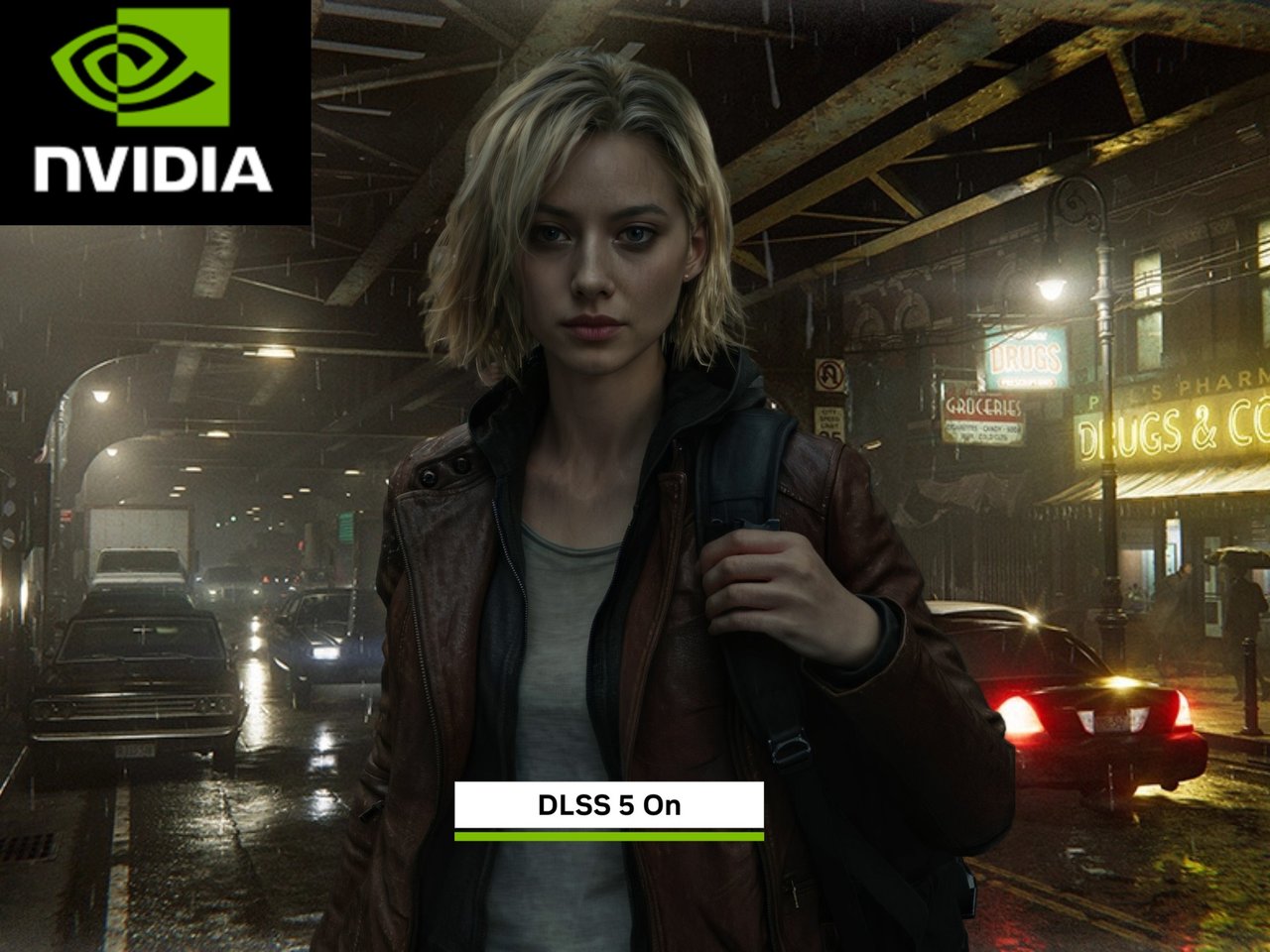
The problem showed up immediately in the demo. Grace Ashcroft, a character from Resident Evil Requiem, looked noticeably different with DLSS 5 enabled — smoother skin, brighter eyes, reduced imperfections. Critics said she looked like she'd been through a beauty filter app, not a graphics upgrade.
The 'yassification' of video games
The internet responded the only way it knows how: memes. Within hours, gamers were posting side-by-side "DLSS 5 off vs. on" comparisons, often using characters like Kratos from God of War shown with exaggerated makeup and softened features.
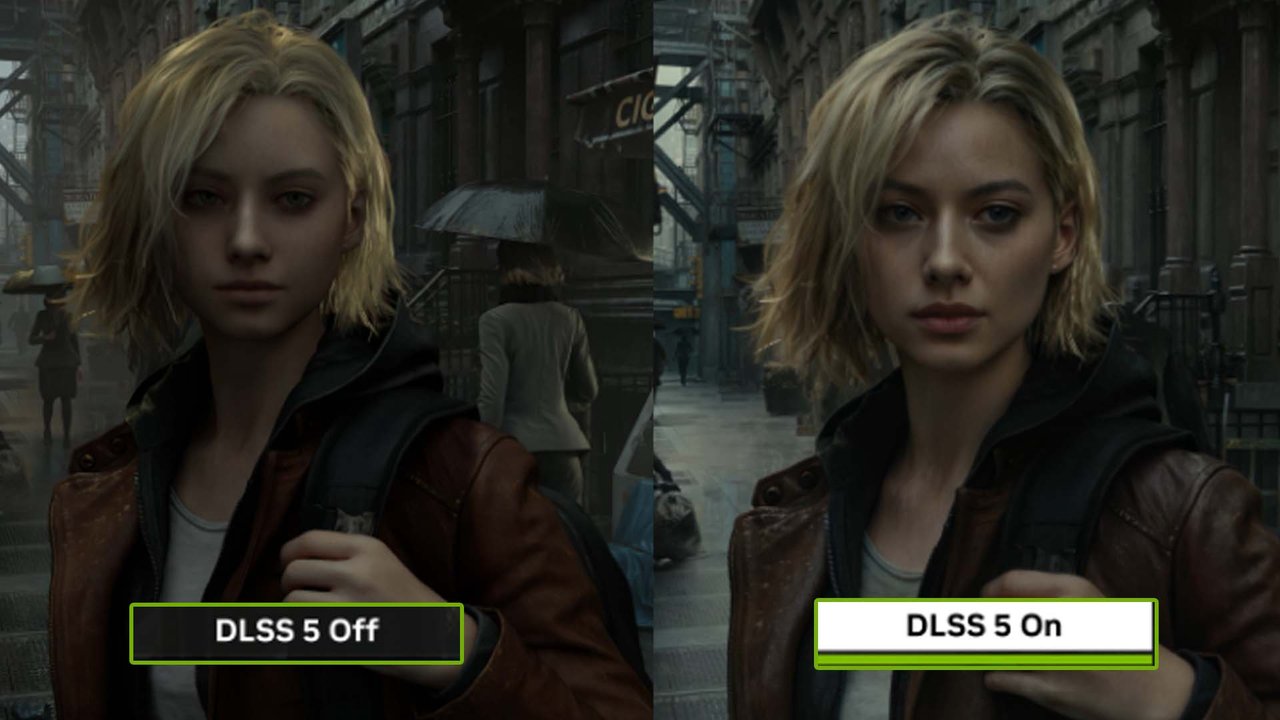
The term "yassified" (internet slang for making something look overly polished and conventionally attractive) became the go-to description. One commenter on Reddit asked: "Why does every character look like they walked out of a beauty filter app?"
Even worse, community members spotted a "giga-nostril" glitch — the AI inexplicably enlarging character nostrils in some scenes, creating grotesque results that undermined Nvidia's claims of visual improvement.
Gamers coined a new term: "sloptracing" — a play on Nvidia's ray tracing technology — to describe what they saw as AI-generated visual noise replacing careful artistic work.
• 70% of IGN poll respondents called it "AI slop"
• Only 21% said "This is the future"
• Two RTX 5090 GPUs needed to run the demo — hardware most gamers can't afford
• Capcom developers reportedly weren't told in advance that their game would be used in the demo
Game developers are worried too
The backlash isn't just from players. Game developers have raised serious concerns about artistic control.
A veteran developer from the Death Stranding 2 team offered what GamesRadar called a "nuanced take": "No, no, no, no, no, no, no, no, no, no."
One developer told Kotaku that the technology appears suited for situations "when you absolutely, positively, don't want any art direction."
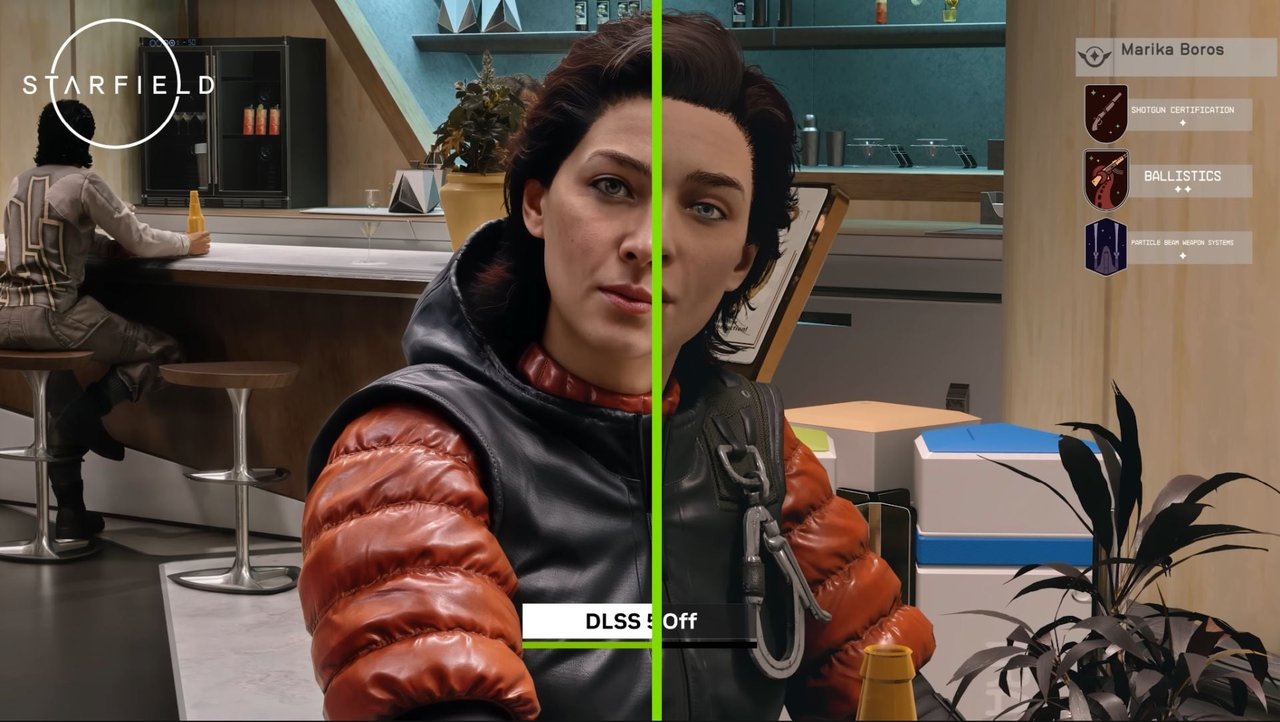
Capcom developers were reportedly shocked when they learned Nvidia had used Resident Evil Requiem in the demo — some weren't even aware it was happening. Bethesda quickly clarified that their footage represented "a very early look" and that implementation would remain "under our artists' control."
Jensen Huang doubles down
Despite the backlash, Nvidia's CEO isn't backing down. Huang told reporters that DLSS 5 is "content-control generative AI" — not standard generative AI — and that developers retain full control over geometry, textures, and overall aesthetics.
"It's not post-processing at the frame level, it's generative control at the geometry level," he explained, arguing that studios could create dramatic stylistic variations while maintaining "direct control."
The problem? Many developers say the default behavior is beautification — meaning they'd have to actively fight the AI to preserve their original artistic vision, rather than opt into enhancements.
What this means for anyone who plays games
DLSS 5 won't ship for a while — and when it does, it'll require expensive hardware. Digital Foundry's demo needed two RTX 5090 GPUs (one to run the game, one for the AI effect), putting it far out of reach for most players.
But the controversy signals something bigger: AI is moving from helping create games to changing how finished games look on your screen — whether the original artists intended those changes or not.
For now, the gaming community has spoken. And at 70% against, it's the loudest "no" the AI industry has heard from consumers in months.
Related Content — Get Started with Easy Claude Code | Free Learning Guides | More AI News
Sources
Stay updated on AI news
Simple explanations of the latest AI developments