A piping contractor just built production software — with zero coding experience
A Houston mechanical engineer used Claude Code to build an app that reads 100 piping drawings in 5 minutes — work that used to take days. He learned everything in 8 weeks.
Cory LaChance is a mechanical engineer who works with chemical plants and refineries in Houston. He's not a software developer. He's never written code professionally. But in 8 weeks, he built a production application that his fabrication shop now uses every single day — and it's saving them days of manual work every week.
The story went viral on Hacker News after Todd Saunders shared a video interview with LaChance, sparking a heated debate about who gets to build software in 2026.
From 10 minutes per drawing to 60 seconds
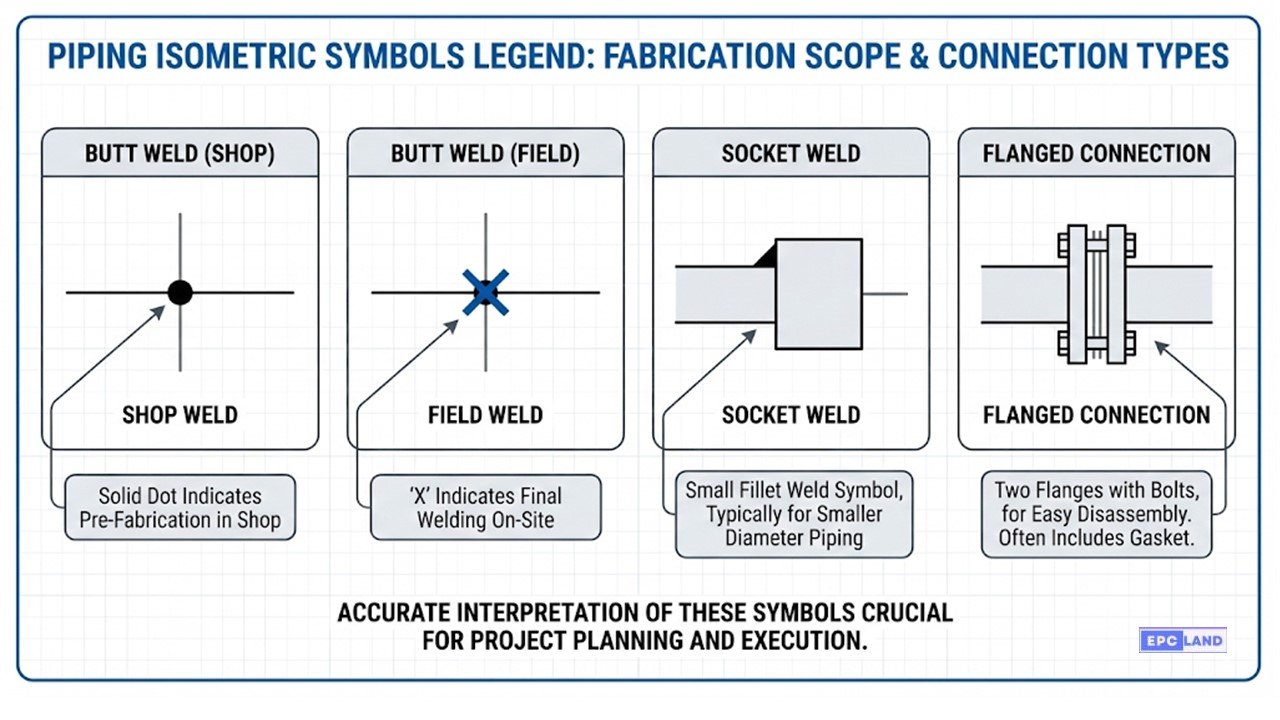
LaChance's app reads piping isometric drawings — technical blueprints that show every pipe, weld, valve, and fitting in an industrial system. These drawings are the backbone of fabrication shops. Every time a new project comes in, someone has to manually go through each drawing and extract weld counts, material specifications, and commodity codes.
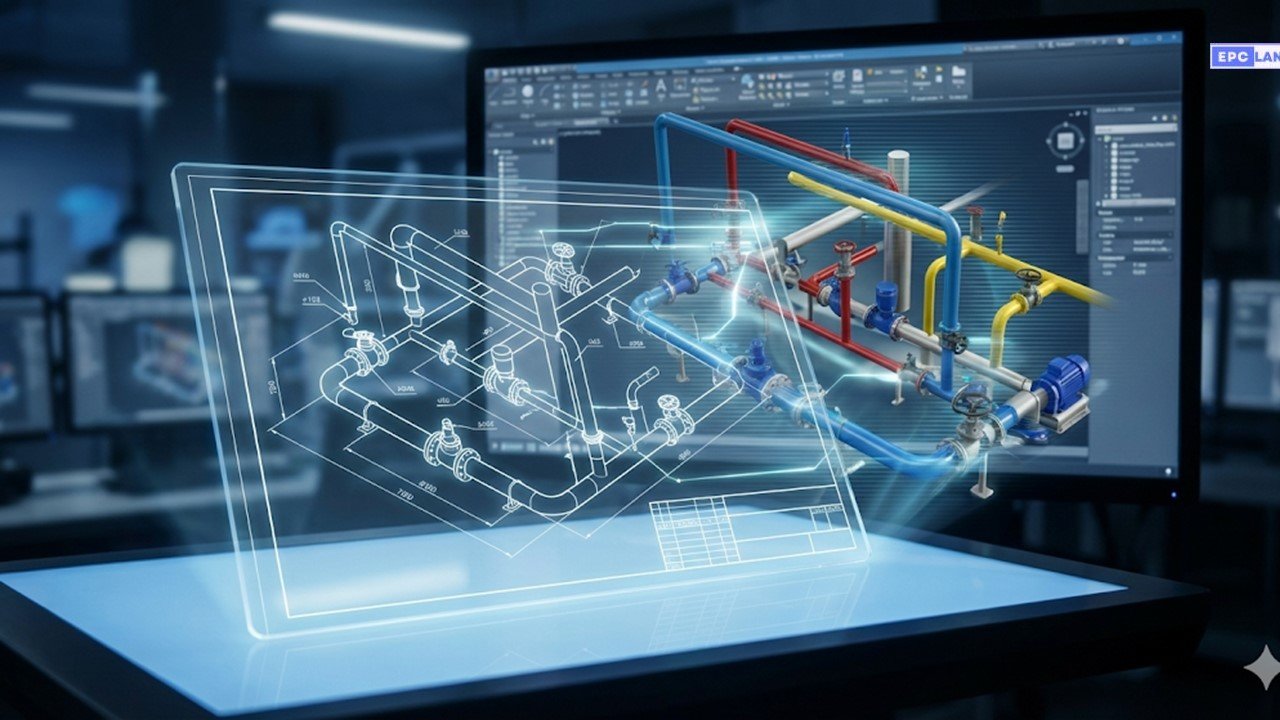
That process used to take 10 minutes per drawing. LaChance's app does it in 60 seconds. Feed it 100 drawings, and it finishes in five minutes — work that previously consumed entire days.
• Before: 10 minutes per drawing, manual data entry into spreadsheets
• After: 100 drawings processed in 5 minutes — automatically
• Build time: 8 weeks, learning everything from scratch
• Outside help: Zero. Only Claude Code.
He learned everything from the AI itself
LaChance had no background in programming, terminal commands, or VS Code. He built the entire application using Claude Code — Anthropic's AI coding agent that runs in the terminal.
His approach was refreshingly simple: "I literally did this with zero outside help other than the AI," he said. "My favorite tools are screenshots, step by step instructions, and asking Claude to explain things like I'm five."
The app uses vision models (AI that can "see" and interpret images) to parse PDF drawings, then structures the extracted data into organized CSV files that the shop can immediately use for material ordering and project planning.
Why Hacker News lost its mind
The story hit 100 points on Hacker News and triggered a fierce debate. Supporters celebrated the democratization of software — the idea that domain experts can now build tools that generic SaaS companies never would.
One commenter put it perfectly: "This is what software development should be about — solving actual problems and providing faster calculations."
Skeptics raised fair questions about timeline claims and long-term code maintainability. Others pointed out that LaChance "just didn't know he had a developer soul" all along. But the broader point stood: the barrier between 'having a great idea for software' and 'actually building it' has never been lower.
Every trades worker is now a potential founder
Todd Saunders, who shared the video, didn't mince words: "The combination of someone in the trades with deep domain expertise and Claude Code will run circles around your generic software."
This isn't hypothetical. LaChance built something that existing industrial piping software companies charge thousands of dollars for — and he did it in 8 weeks, tailored exactly to his shop's workflow.
• Trades workers and contractors with deep expertise in a specific workflow — you likely know a process that's begging to be automated
• Small business owners paying for expensive industry software that only does 30% of what you need
• Anyone curious about "vibe coding" — the $4.7 billion market where 63% of active users aren't developers at all
The bigger picture: a $4.7B shift
LaChance's story fits into a massive trend. The "vibe coding" market — where people describe what they want in plain English and AI writes the code — hit $4.7 billion in 2025 and is projected to reach $12.3 billion by 2027. According to industry reports, 75% of software in 2026 is built using natural language instead of typing code manually.
The controversial part? Some reports suggest a 46% decline in entry-level tech roles compared to 2024. Tools like Claude Code aren't just helping non-developers build software — they're reshaping who gets to call themselves a software creator.
For LaChance, the math is simple. His fabrication shop went from losing days to manual drawing extraction to processing everything in minutes. No VC funding. No engineering team. Just a trades expert who sat down with AI for a few weekends.
Related Content — Get Started with Easy Claude Code | Free Learning Guides | More AI News
Sources
Stay updated on AI news
Simple explanations of the latest AI developments