Self-driving cars just got a reality check — they make traffic worse
A new meta-analysis finds autonomous vehicles increase total miles driven by 6% on average. Nearly half of Waymo's San Francisco miles are empty cars driving to the next pickup.
Last week, Waymo published data showing its robotaxis are 92% safer than human drivers. But a new study just exposed the other side of the story: self-driving cars are making traffic worse, not better.
A meta-analysis published in Travel Behaviour and Society reviewed multiple models of autonomous vehicle (AV) adoption in U.S. cities. The headline finding: AVs increase total vehicle miles traveled (VMT) by 6% on average — meaning more cars on the road, not fewer.
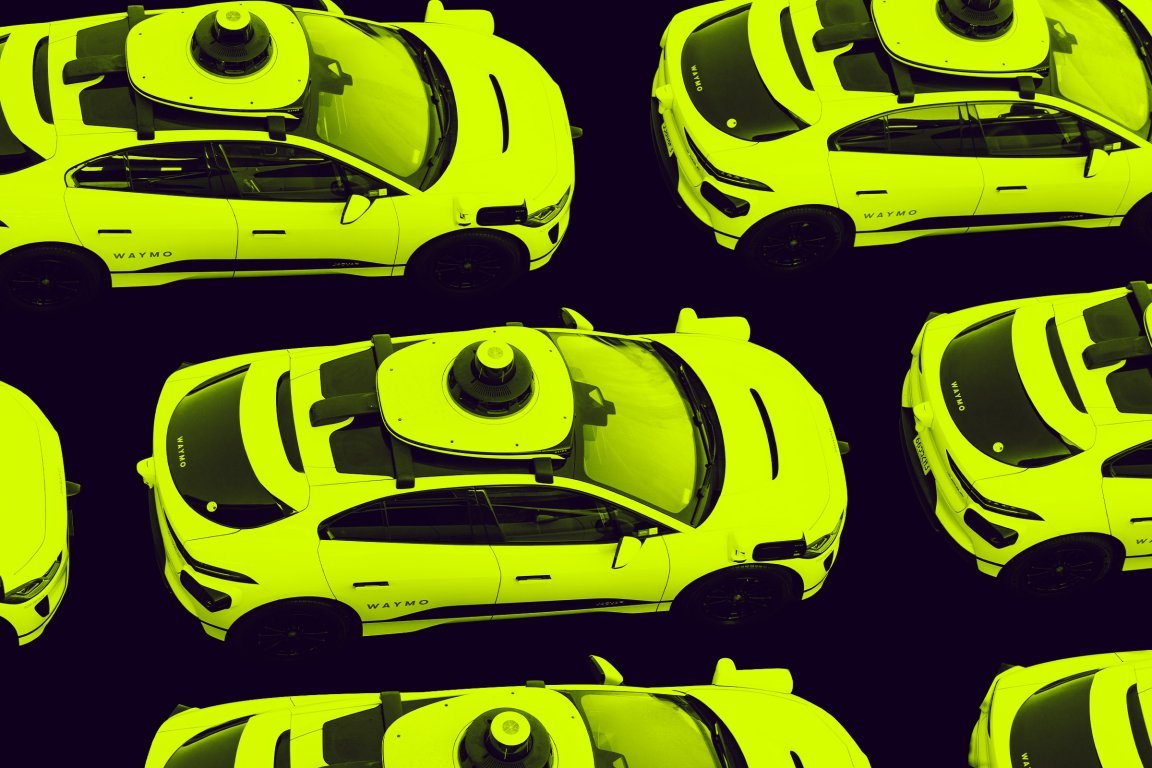
The 'ghost mile' problem
The biggest culprit is something called deadheading — when a self-driving taxi drives around empty between passenger pickups. Think of it as a taxi circling the block endlessly, burning fuel and taking up road space, but with nobody inside.
How bad is it? California Public Utilities Commission (CPUC) data reveals that nearly half of Waymo's total miles in San Francisco are deadhead trips — cars driving empty while waiting for the next ride request. In January 2024, it was 51.5%. By September 2025, it had improved slightly to 44.3%, but that's still an enormous amount of wasted road capacity.
- 44–51% of Waymo's San Francisco miles are empty trips
- 36–45% of Uber/Lyft miles are deadhead (for comparison)
- +8% to +68% VMT increase without ridesharing mandates
- +1% to +43% VMT increase even with 50% shared rides
Why convenience makes things worse
Empty cars are only part of the problem. The study found that when self-driving rides become cheap and easy, people who previously took the bus or train switch to private autonomous rides instead. It's the same pattern that happened with Uber and Lyft — the convenience of door-to-door service pulls riders off mass transit, adding more individual vehicles to already crowded roads.
The researchers concluded that "non-shared AVs may contribute to increased VMT as they often travel empty between trips, search for parking, or return home after dropping off passengers." Without regulation requiring shared rides, the worst-case scenario could see road miles more than double.
What cities can actually do about it
The study isn't all doom. When cities mandate that at least 50% of autonomous rides be shared (pooled with other riders going similar directions), the VMT increase drops dramatically — to as low as 1%. That's manageable.
There's also good news in the trend line: Waymo's deadheading percentage is falling as its fleet density increases. More cars in more neighborhoods means shorter empty trips between pickups. The technology will get better.
The bottom line
Self-driving cars may be safer — but "safer" and "better for traffic" are two different things. If you live in a city considering robotaxi expansion, the policy decisions being made right now — about ridesharing mandates, congestion pricing, and fleet caps — will determine whether your commute gets better or significantly worse.
The 92% safety improvement is real. So is the 6% traffic increase. Both can be true at the same time.
Related Content — Get Started with Easy Claude Code | Free Learning Guides | More AI News
Sources
Stay updated on AI news
Simple explanations of the latest AI developments