Scammers just discovered vibe coding — your inbox is the target
AI coding tools that let anyone build apps are now being used to create professional-looking phishing emails. Here's how to spot them.
The same AI tools that let non-coders build apps in minutes are now powering a new generation of email scams. A deep investigation by Tedium reveals that spammers are using platforms like Claude and Lovable to "vibe code" phishing emails that look disturbingly professional — and it's trending on Hacker News with dozens of security professionals chiming in.
The takeaway is simple: the ugly, typo-filled spam emails you learned to ignore are being replaced by polished, designed messages that could fool even careful readers.
What changed: spam got a design upgrade
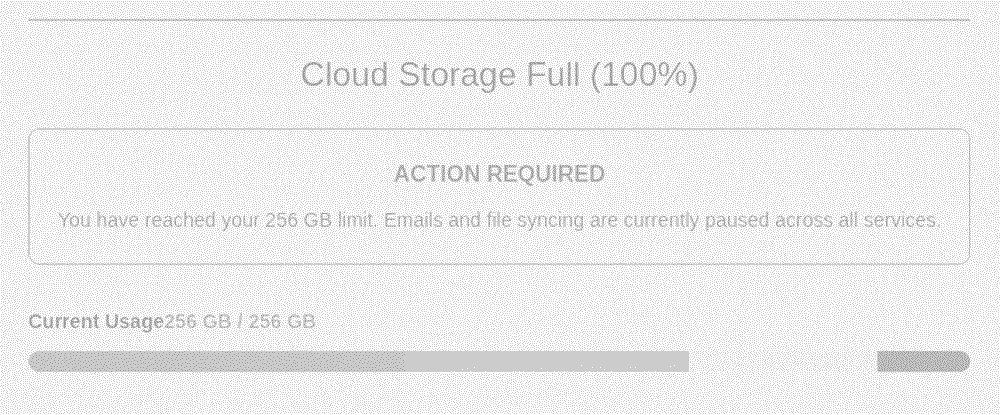
Traditional spam was easy to spot — broken images, mangled grammar, amateur layouts. That era is over. The new "vibe-coded" spam uses AI tools to generate emails with proper color schemes, professional typography, working layouts even with images disabled, and convincing visual hierarchy.
Here's why that matters: the old theory that scammers deliberately made emails ugly to "filter for gullible people" turns out to be wrong. Security researchers on Hacker News confirmed that most scammers were just bad at design. AI tools removed that barrier overnight.
Real examples that actually fooled people
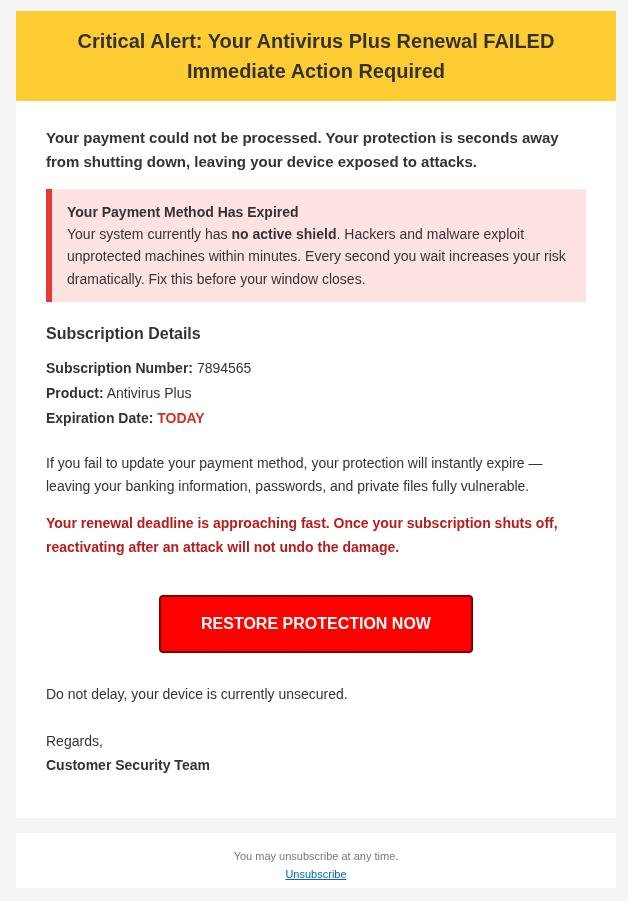
The investigation includes screenshots of actual vibe-coded spam circulating right now:
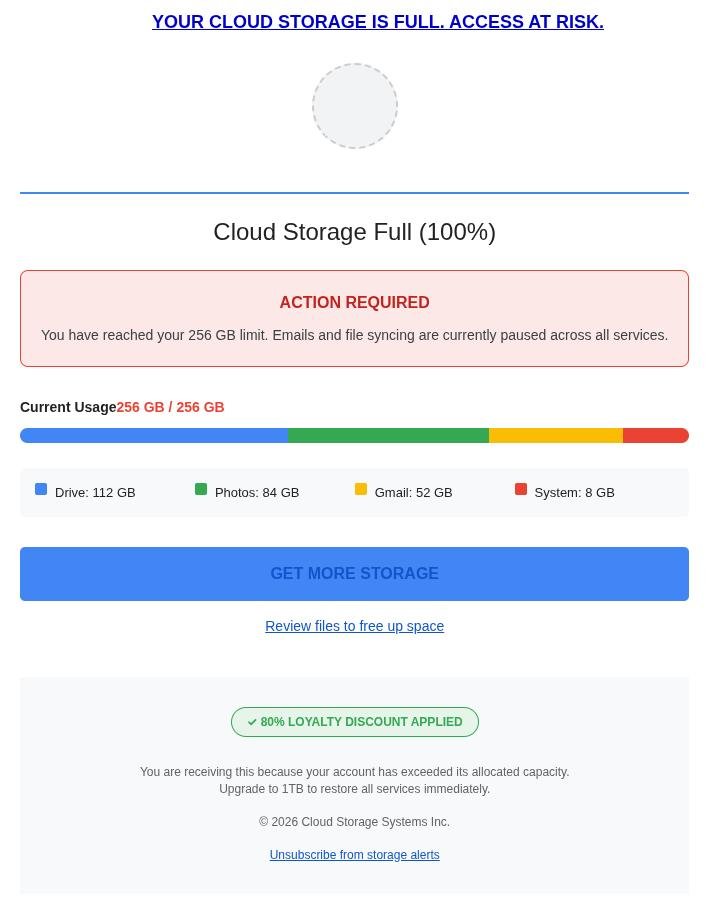
- Fake cloud storage alerts — "Your storage is 95% full" messages with pixel-perfect Google Drive or iCloud branding
- Antivirus renewal warnings — "Your protection expired" notices with proper McAfee or Norton styling
- Legal threats — Fake litigation notices about video game copyright claims, complete with law firm formatting
One HN commenter described receiving a fraudulent French railway email where scammers had downloaded a legitimate email template, replaced every URL with their own scam page, and hosted it on a convincing domain — all achievable in minutes with AI tools.
The trust problem nobody's talking about
Here's the deeper issue: as AI-generated spam becomes indistinguishable from real emails, people are starting to distrust legitimate messages too. One security professional on Hacker News admitted: "Scams are getting good enough that I'm now skeptical and paranoid every time I get a legit email."
This creates a lose-lose situation. Businesses that send real emails — appointment confirmations, shipping updates, password resets — now compete with scams that look identical. The same AI tools that made coding accessible to everyone also made fraud accessible to everyone.
How to protect yourself right now
5 rules that still work against AI-crafted spam:
- Never click links in emails. If a message says your account needs attention, open a new browser tab and go to the site directly.
- Check the sender's actual email address — not the display name. Hover or tap to reveal the real domain.
- Watch for urgency pressure. "Act within 24 hours" or "your account will be locked" is almost always a scam tactic, even when the design looks perfect.
- Verify through a second channel. Got a message from your bank? Call them using the number on your card, not the number in the email.
- Enable two-factor authentication everywhere. Even if you accidentally click a phishing link, 2FA (a second verification step, usually a code sent to your phone) blocks most account takeovers.
If you're a vibe coder yourself
This story isn't an argument against AI coding tools — they're genuinely useful for building legitimate projects. But it's worth knowing that the same tools that help you build a personal website in 10 minutes can help a scammer build a phishing page in 10 minutes. The difference is intent, not capability.
If you run an AI-powered app or tool, consider adding abuse detection. If you're an email user (everyone), treat every unexpected email like it might be vibe-coded spam — because increasingly, it is.
Related Content — Get Started with Easy Claude Code | Free Learning Guides | More AI News
Stay updated on AI news
Simple explanations of the latest AI developments