11 African nations spent $2B on AI surveillance — with zero safeguards
Eleven African countries invested $2 billion in Chinese-made AI surveillance with no legal protections. Nigeria alone spent $470 million on smart cameras.
Eleven African nations have quietly spent over $2 billion on AI-powered surveillance systems built by Chinese companies — and not a single one has legal protections to prevent abuse.
That's the conclusion of a new report from the UK-based Institute of Development Studies and the African Digital Rights Network, published by Rest of World. The findings paint a stark picture: facial recognition cameras, license plate tracking, and AI-powered monitoring systems are rolling out across the continent — funded by Chinese bank loans that require purchasing Chinese technology.
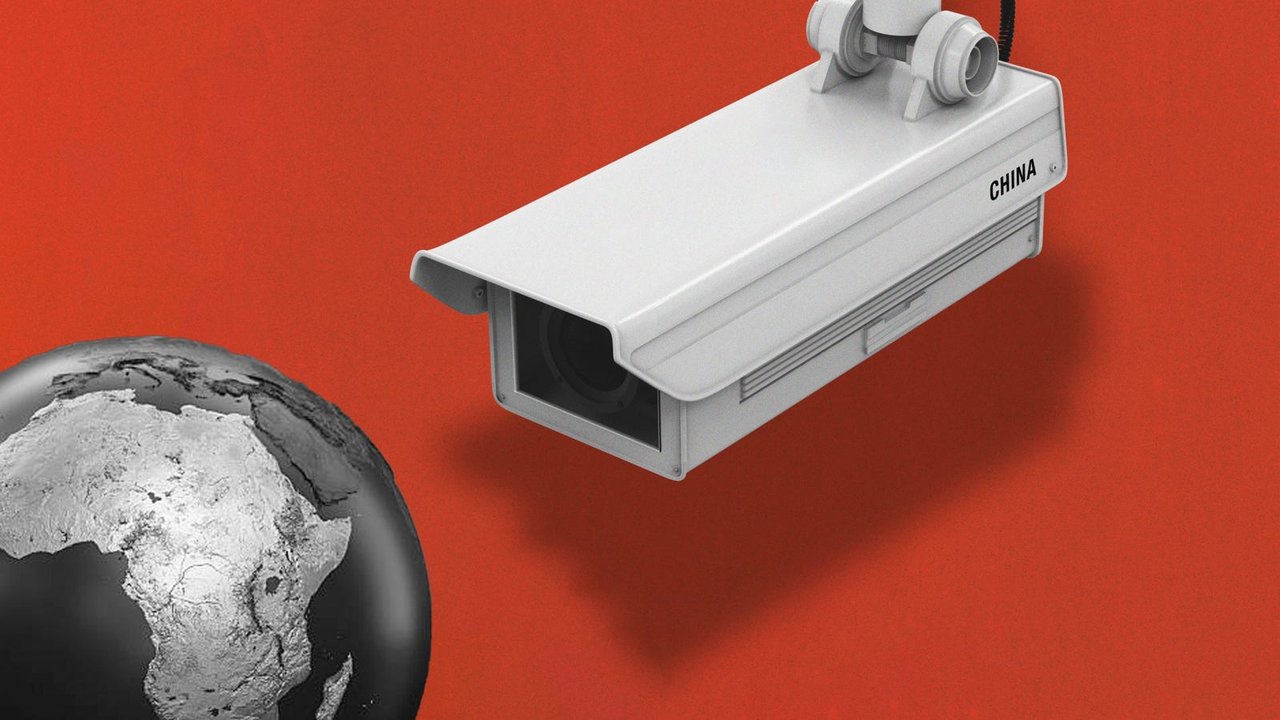
$470 million in cameras — and nobody watching the watchers
Nigeria leads the spending at $470 million, building the continent's largest network of AI-powered smart cameras. The technology comes primarily from Huawei and ZTE — the same companies that built approximately 70% of Africa's 4G mobile networks.
The financing works like this: private Chinese banks offer loans to African governments, but the money comes with strings attached. Governments must spend it on Chinese surveillance technology and services to build what are marketed as "safe city" systems.
Already being used to track activists and protesters
The report isn't theoretical. Researchers documented concrete cases of surveillance abuse:
- Kenya: AI cameras were used to monitor Gen Z protesters during recent demonstrations
- Uganda: Surveillance systems tracked political activists and opposition figures
- Nepal: Chinese-supplied systems monitored Tibetan communities
In every case, there was no court warrant requirement, no independent oversight body, and no legal mechanism for citizens to challenge surveillance.
What makes this different from surveillance in the US or Europe
Western countries also use AI surveillance — the FBI recently admitted to purchasing Americans' location data from commercial brokers. But there's a critical difference: most Western democracies have at least some legal framework (however imperfect) for challenging surveillance.
In these 11 African nations, the researchers found zero adequate legal oversight — no dedicated surveillance legislation, no independent regulators, and no effective remedy for citizens who are monitored.
The infrastructure trap
The issue goes deeper than cameras. Because Chinese companies built 70% of Africa's 4G networks, the surveillance systems plug directly into existing mobile infrastructure. This creates what researchers call an "infrastructure trap" — governments become dependent on Chinese technology for both connectivity and security.
The report's authors, Wairagala Wakabi and Tony Roberts, recommend three minimum protections:
1. Dedicated surveillance laws requiring court warrants before monitoring
2. Independent oversight bodies — separate from government, police, and judiciary
3. Legal remedies allowing citizens to challenge surveillance and seek accountability
Why this matters beyond Africa
This $2 billion experiment is a preview of how AI surveillance could spread globally. The model — cheap loans tied to technology purchases, no legal requirements — is replicable anywhere with limited regulatory infrastructure.
For anyone working with AI, it's a reminder that the same facial recognition and tracking tools being built for commercial use can be repurposed for mass surveillance with minimal modification. The question isn't whether the technology works — it's who decides when and how it's used.
Related Content — Get Started with Easy Claude Code | Free Learning Guides | More AI News
Stay updated on AI news
Simple explanations of the latest AI developments