From Chile to Kenya, people are organizing against AI
Activists in four countries are fighting AI's real-world costs — from 7 billion liters of water drained for data centers to 1.8 million jobs at risk in call centers.
While Silicon Valley celebrates AI breakthroughs, people in four countries are organizing against the costs nobody talks about: drained water supplies, exploited data workers, AI-generated abuse images, and mass layoffs in call centers.
A new Rest of World investigation profiles the activists leading this fight — and the numbers behind their anger are staggering.
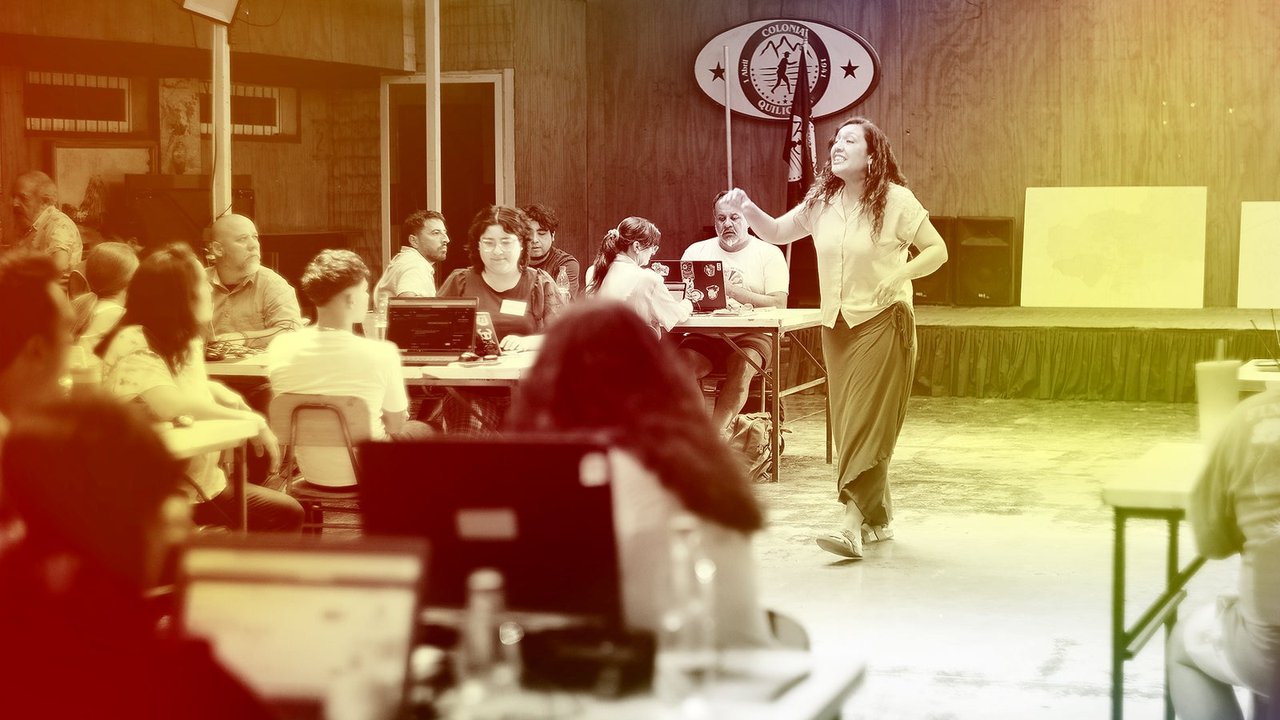
Chile: 7 billion liters of water for Google's data centers
In Santiago, Rodrigo Vallejos, a 28-year-old environmental lawyer, discovered something alarming: Microsoft's data center cooling system — marketed as air-cooled — actually relied on groundwater in a region already suffering water stress.
He's since filed over 100 citizen complaints against Big Tech data centers. Chile now hosts 70+ data centers near Santiago, and Google alone has been authorized to extract 7 billion liters of water annually for cooling.
The pushback is working. Santiago's environmental tribunal suspended Google's data center construction in 2024 pending environmental reassessment. A former teacher named Tania Rodríguez co-founded the Mosacat movement to keep the pressure on.

Mexico: 18 million harassment victims, 5 convictions
Olimpia Coral Melo, 35, helped pass Mexico's landmark "Olimpia Law" in 2021, which criminalized sharing intimate content without consent. But AI has outpaced the law — deepfake generators now create nonconsensual images faster than courts can process cases.
The numbers tell the story: Mexico had 18+ million cyber harassment victims in 2024. The Olimpia Law has resulted in just 5 convictions. Melo's organization, Defensoras Digitales, is now pushing to add AI-generated deepfakes to existing legislation.
Kenya: the people who train AI — for pennies
Joan Kinyua, 36, worked at companies like Samasource and CloudFactory labeling data (tagging images and text so AI systems can learn from them). The conditions were brutal: low pay, no mental health support despite exposure to violent content, strict time limits, and systemic bias.
In 2024, she co-founded the Data Labelers Association — the first organization representing the invisible workforce that makes AI possible.

"We are building a movement where digital labor is visible," Kinyua told Rest of World.
Philippines: 1.8 million call center workers vs. AI
The Philippines' BPO (business process outsourcing) industry employs 1.8 million people. When one call center employee was fired for revealing that an AI system had replaced their quality assurance manager, it sparked a movement.
Code AI (Coalition of Digital Employees – Artificial Intelligence) launched in January 2025 and has already helped approximately 1,000 workers demand compensation for AI-related dismissals. The group is now helping draft the Magna Carta for BPO Workers — legislation specifically designed to protect workers from AI displacement.

A pattern across four continents
These movements share something: none are anti-technology. They're demanding that AI's benefits don't come at the expense of the people and environments where the technology is built and deployed.
Chile wants water protections. Mexico wants legal tools that match the speed of AI. Kenya wants fair wages. The Philippines wants job transition support. In each case, the ask isn't "stop AI" — it's "include us in the conversation."
The common thread: In every country, activists found that existing laws were either absent or decades behind the technology. The fight isn't against AI itself — it's against deploying AI without updating the rules.
In January 2025, the Chilean town of Quilicura held a remarkable event: 25,000 volunteers answered questions from the public instead of AI chatbots — a demonstration called Quili.AI designed to show what human connection looks like in an AI-saturated world.
Related Content — Get Started with Easy Claude Code | Free Learning Guides | More AI News
Stay updated on AI news
Simple explanations of the latest AI developments