Obsidian's CEO just taught AI agents to manage your notes
Steph Ango's obsidian-skills hit 16K GitHub stars. It lets Claude Code, Codex, and other AI agents read, write, and organize your Obsidian vault.
If you use Obsidian — the popular note-taking app with over 5 million users — your AI coding agent can now manage your entire vault. Steph Ango, the CEO of Obsidian, just released obsidian-skills, an open-source project that teaches AI agents like Claude Code, Codex CLI, and OpenCode how to create, edit, and organize Obsidian notes. It hit 16,300 GitHub stars in days and is trending as one of the hottest repos right now.
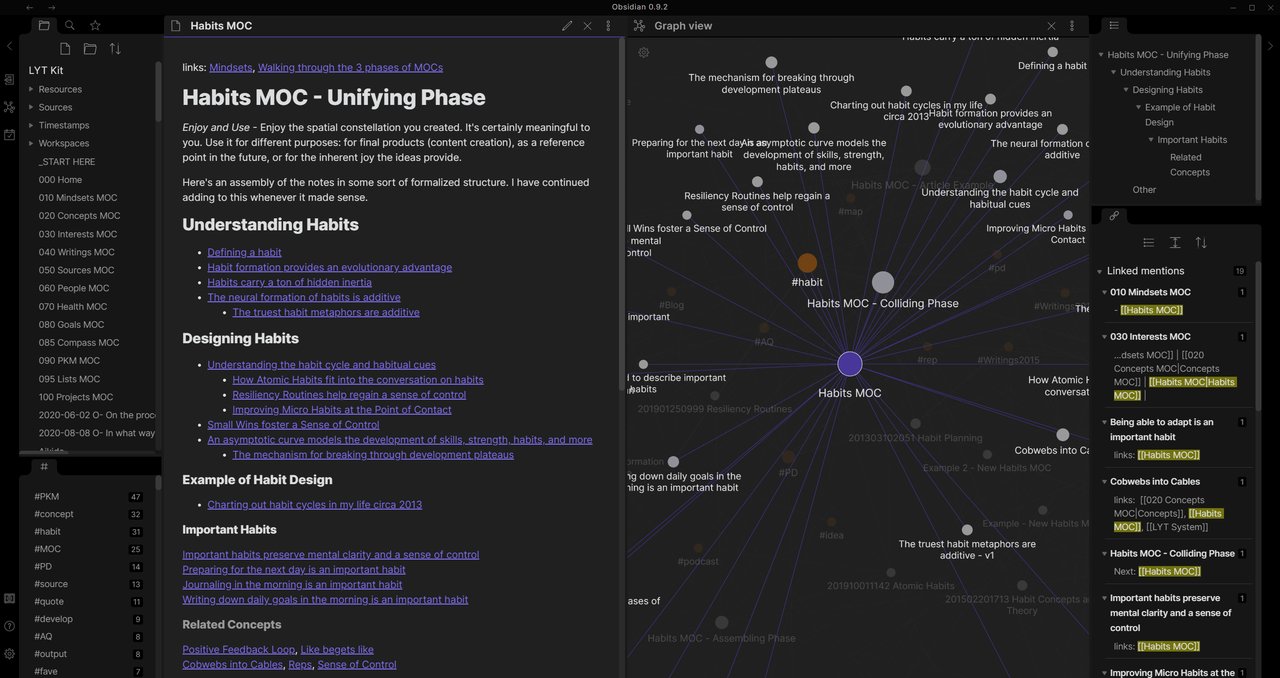
What AI can now do with your Obsidian vault
The project bundles five specialized skills — think of them as instruction manuals that teach AI agents the rules of Obsidian's unique formatting:
obsidian-markdown — Teaches AI to write proper Obsidian notes with wikilinks (the [[double bracket]] links that connect your notes), callouts, tags, and frontmatter properties
obsidian-bases — Lets AI create and manage Bases files (Obsidian's built-in database feature) with views, filters, and formulas
json-canvas — Enables AI to build and edit visual canvas boards with nodes, connections, and groups
obsidian-cli — Gives AI access to Obsidian's command line for vault management and plugin development
defuddle — Extracts clean markdown from web pages, stripping away clutter to save on token usage
In practical terms, you can now ask Claude Code to "create a meeting notes template with tags and linked project pages," or "reorganize my research vault by topic and add cross-references," and it will produce properly formatted Obsidian files — not generic markdown that breaks when you open it.
Why this matters: AI that speaks your app's language
The core problem obsidian-skills solves is simple: AI agents are great at writing code, but they don't understand the quirks of specific apps. Obsidian uses its own flavor of Markdown — wikilinks ([[Note Name]]), embeds (![[image.png]]), callouts (> [!warning]), and block references (^block-id) — that standard AI models often get wrong.
Without these skills, asking an AI to create Obsidian notes typically produces broken links, missing frontmatter, or standard Markdown that ignores Obsidian's features. With them, the AI generates files that work correctly the moment you open them in Obsidian.
Set it up in one command
Installation takes seconds. If you're using Claude Code, add the skills manually or through the marketplace:
# Install via npx (works with any compatible agent)
npx skills add git@github.com:kepano/obsidian-skills.git

# Or for Claude Code, add to your .claude/settings.json:
# Add the skills directory path to your agent configuration
For Codex CLI users, clone the repo and point your agent to the skills directory. For OpenCode, you'll need the full repository structure rather than individual skill folders.
Who should try this
Students and researchers who maintain large knowledge vaults can now ask AI to cross-reference notes, build literature review canvases, or restructure entire topic hierarchies — tasks that would take hours manually.
Writers and content creators can use the markdown skill to generate properly linked draft structures, complete with tags, frontmatter metadata, and embedded references.
Developers already using Claude Code get the most seamless experience — the skills integrate directly with your existing AI workflow, turning your coding agent into a knowledge management assistant.
The bigger picture: agents that understand your tools
obsidian-skills follows the emerging Agent Skills specification — a standard format for teaching AI agents how to use specific tools and file formats. This means the same skill files work across Claude Code, Codex CLI, and OpenCode without modification.
The fact that Obsidian's own CEO built this signals where note-taking apps are headed: instead of bolting AI into the app (like many competitors), Ango is letting AI agents come to Obsidian on its terms. Your notes stay local, your vault stays private, and the AI simply learns Obsidian's rules.
The project is MIT-licensed, completely free, and already has 932 forks — meaning developers are already building custom skills on top of it. With 453 new stars just today, it's one of the fastest-growing AI-adjacent projects on GitHub right now.
Related Content — Get Started with Easy Claude Code | Free Learning Guides | More AI News
Stay updated on AI news
Simple explanations of the latest AI developments