Slack just got an AI that saves you 90 minutes a day
Slack's rebuilt Slackbot is now a full AI agent that reads your messages, drafts documents, and analyzes files — saving one user 90 minutes daily.
Slack just transformed its familiar Slackbot from a simple notification tool into a full-blown AI agent — one that reads your messages, drafts your emails, and summarizes your meetings. One early user reported saving 90 minutes every single day.
The upgraded Slackbot rolled out starting March 13, 2026 to Business+ and Enterprise+ customers. Unlike ChatGPT or other external AI tools, this one lives inside your work chat — where all the context about your projects, decisions, and team conversations already exists.
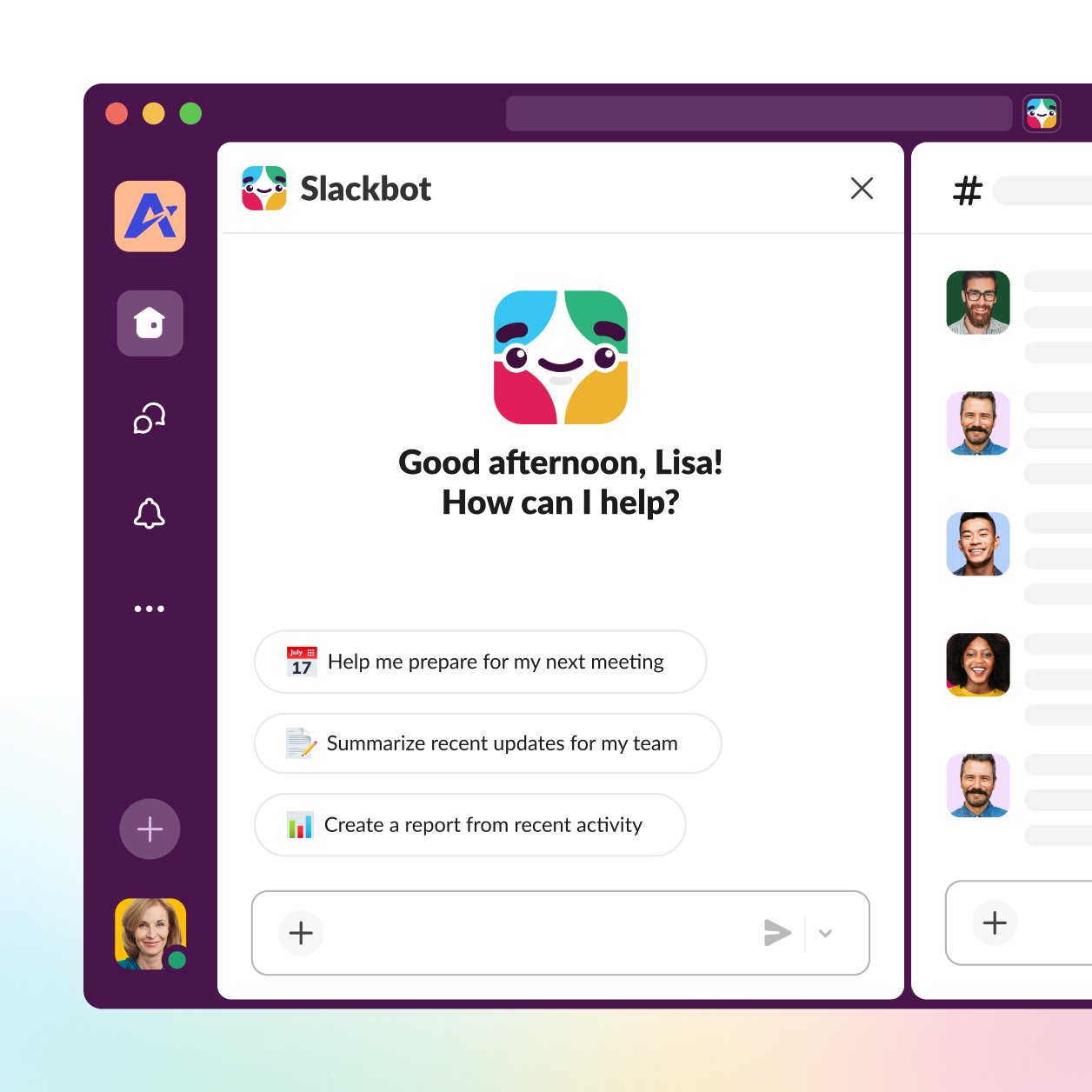
From notification bot to AI coworker
The old Slackbot could send reminders and answer basic questions about Slack itself. The new version does three fundamentally different things:
1. Reads and synthesizes your work conversations
It pulls insights from channels, calls, documents, and connected tools — then surfaces risks, key decisions, and next steps you might have missed.
2. Writes in your voice
It drafts emails, meeting notes, briefs, and blog outlines. One marketing lead said it created a full meeting canvas in 17 seconds.
3. Analyzes your files
Upload a spreadsheet, PDF, or transcript — it extracts trends and insights without you having to read every page.
Why this is different from ChatGPT at work
The key difference: Slackbot already knows your work context. It sees the channels you're in, the files you've shared, the decisions your team made last Tuesday, and your calendar. You don't need to copy-paste context into a separate tool.
As Slack's Chief Product Officer Rob Seaman put it: "AI needs context: an understanding of your conversations, your tools, and how decisions actually get made."
One enterprise user described it as "a virtual assistant with far more context based on our business than any external tool."
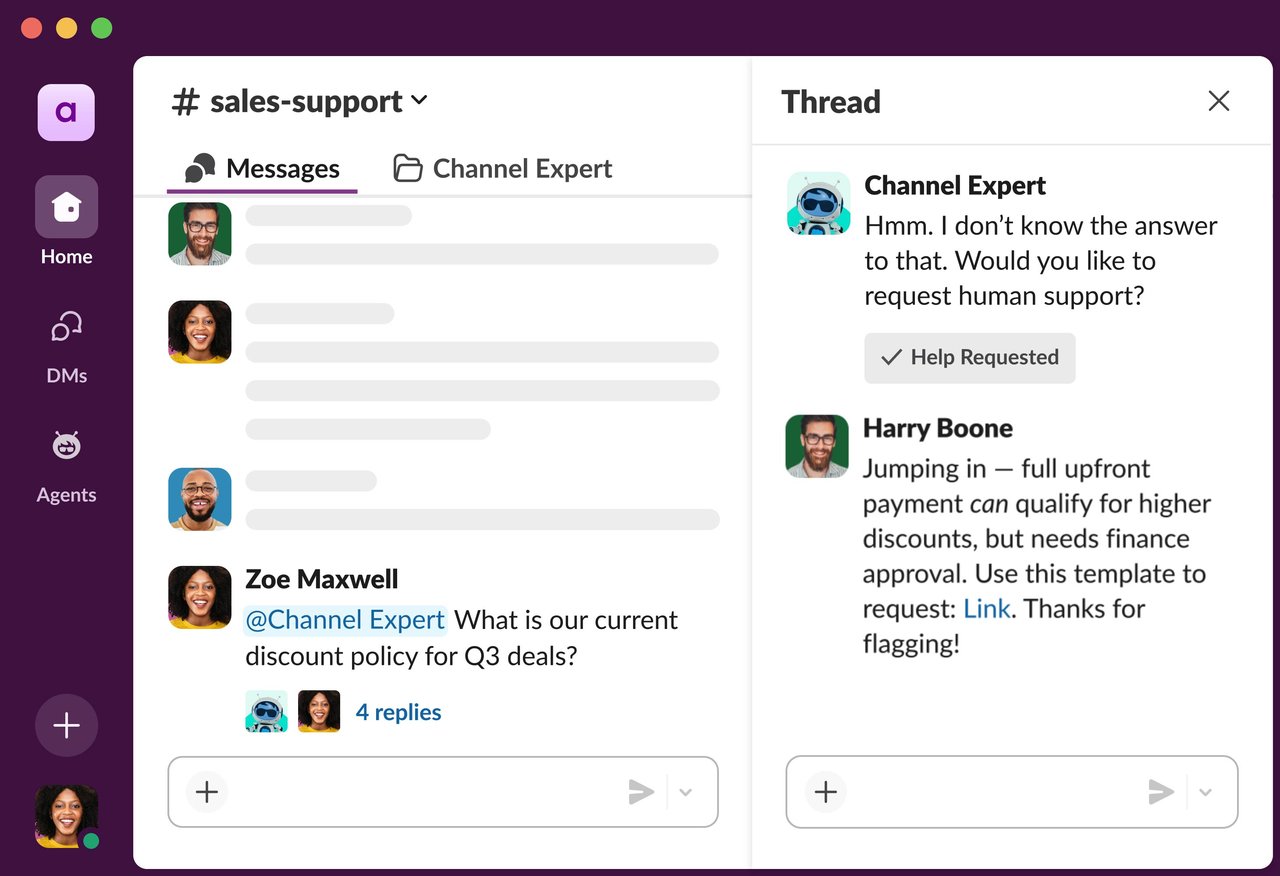
Privacy: it only sees what you can see
A common concern with workplace AI is data access. Slack says its AI agent respects existing permission structures — it can only access messages, files, and channels you already have permission to view. Every answer comes with citations showing exactly where the information came from.
The system runs behind what Slack calls "AI Guardrails" — real-time protections against prompt injection (when someone tries to trick the AI into revealing information) and phishing attempts.
Who can use it — and who can't
This is the catch: the new Slackbot is only available on Business+ and Enterprise+ plans. Free and Pro plan users won't see it.
If you're on an eligible plan, look for the Slackbot icon right next to your workspace search bar — no additional setup or training required. The rollout began March 13 and is gradually expanding to all eligible workspaces.
What's coming next
Slack plans to connect Slackbot with Salesforce's Agentforce platform and third-party AI agents. The vision: Slackbot becomes your single point of contact, coordinating tasks across your entire tool stack — CRM, project management, documents — while you stay in one chat window.
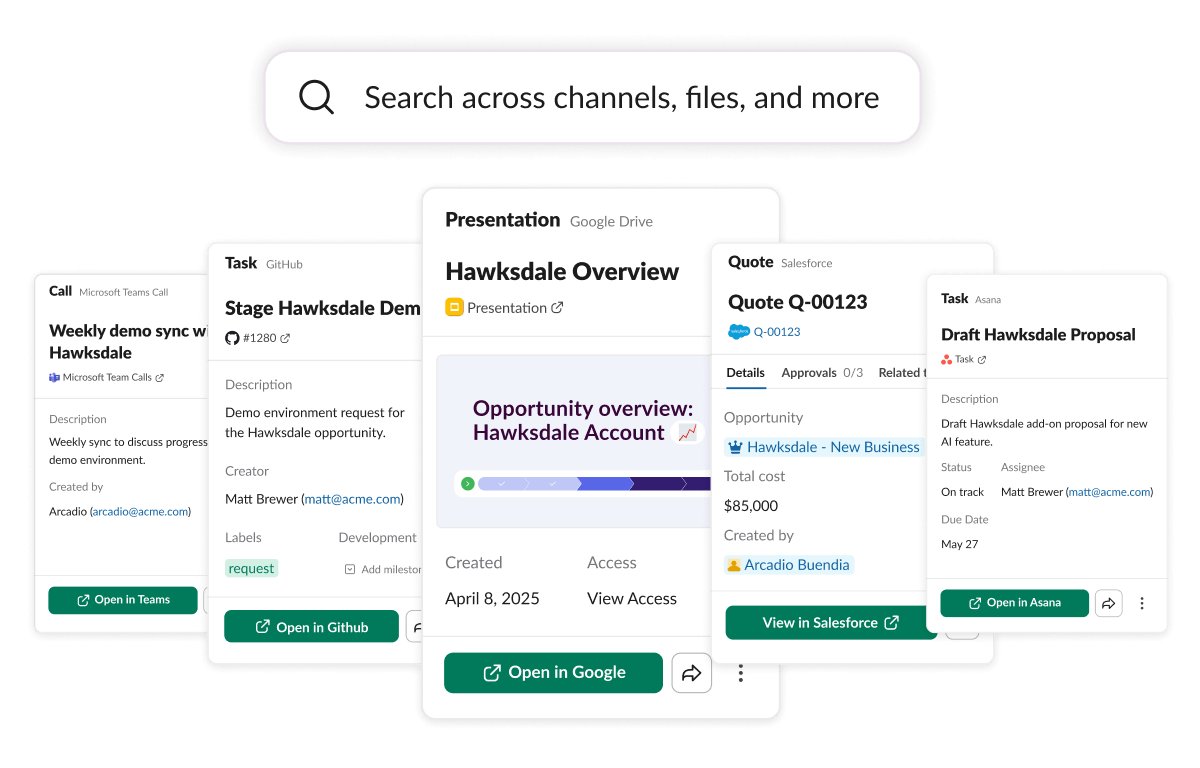
The bigger picture: your chat app is becoming your AI office
This move puts Slack in direct competition with Microsoft Copilot (built into Teams) and Google Gemini (built into Workspace). All three tech giants are racing to embed AI directly into the tools where office workers already spend their day.
The difference in approach matters. Microsoft and Google trained their AI on general knowledge and then added workplace features. Slack is betting that starting from your actual work conversations — the context of what your team is actually doing — produces better, more relevant results.
For the 30+ million people who use Slack daily, the question isn't whether AI will enter their workflow — it's whether Slackbot, Copilot, or Gemini will be the one they trust to read their work messages.
Related Content — Get Started with Easy Claude Code | Free Learning Guides | More AI News
Stay updated on AI news
Simple explanations of the latest AI developments