A company is secretly turning your Zoom meetings into AI podcasts
WebinarTV records publicly shared Zoom calls without permission, then uses AI to turn them into podcasts with fake hosts. Over 200,000 meetings are already on the platform.
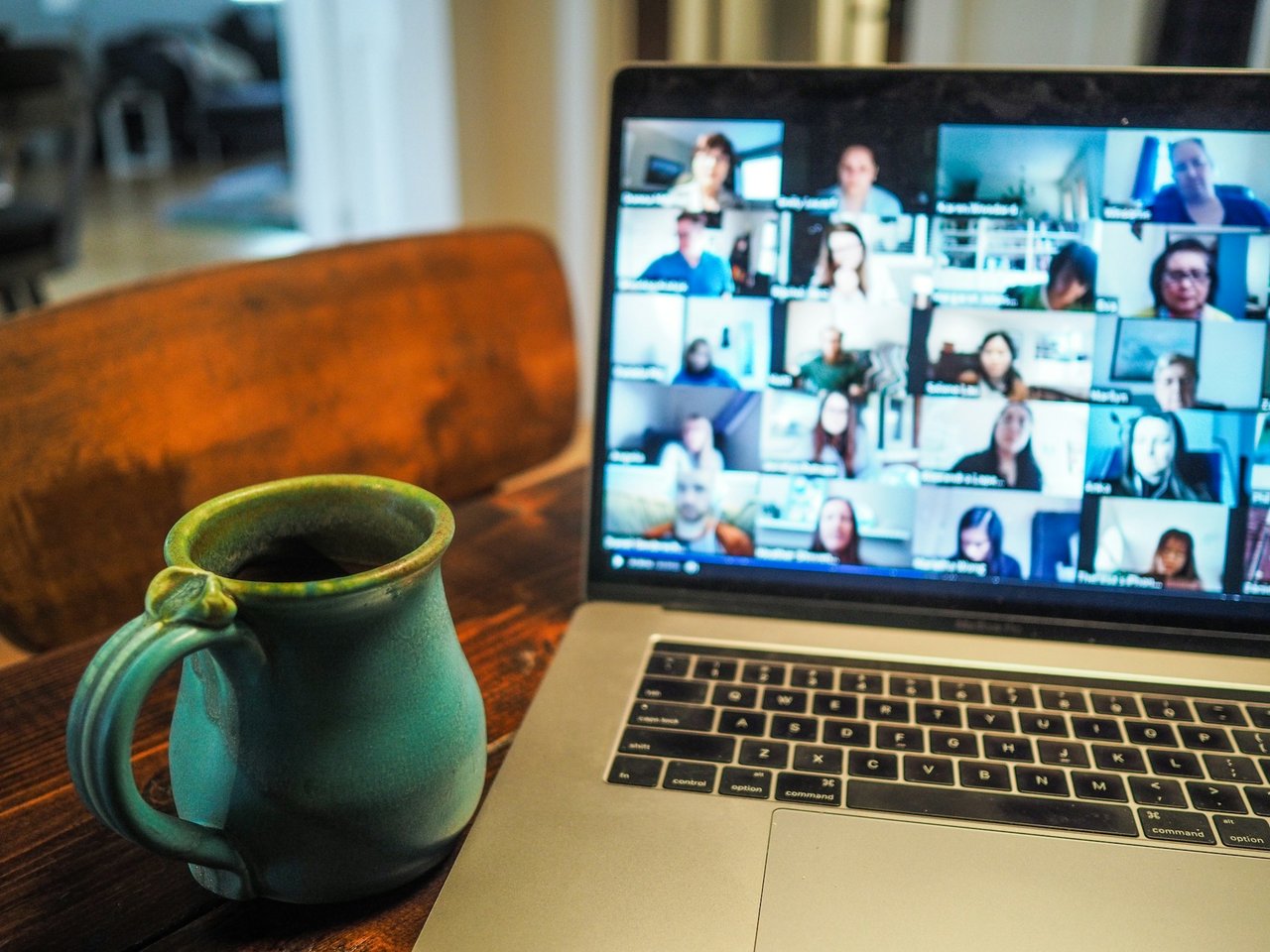
A company called WebinarTV has been secretly recording publicly shared Zoom meetings and using AI to turn them into podcasts — complete with fake AI-generated hosts named "Phil and Amy" — without the knowledge or consent of participants.
The platform, which operates at WebinarTV.us and MeetingTV.us, claims to host over 200,000 webinars. According to a 404 Media investigation, organizers of private and sensitive meetings had no idea their discussions were being captured, reformatted, and published for anyone to listen to.
How they capture your meetings
WebinarTV collects Zoom meeting recordings through several methods:
- Browser extensions that access webinar links when users unknowingly grant calendar permissions
- Web scraping for publicly shared Zoom links on websites and social media
- Possible Zoom API scraping, which would violate Zoom's terms of service
Once captured, the platform doesn't just re-host the recording. It uses AI to generate a full podcast episode, complete with AI-generated video summaries, chapter breakdowns, and the fictional hosts discussing your meeting's content as if it were a show.
Among the exposed meetings:
• A private educator discussion about protecting students from immigration enforcement
• "AI, Equity & Access to Justice" webinar by the Ontario Association of Black Paralegals
• A Freedom of the Press Foundation public event
• Sensitive meetings involving local elected officials and political discussions
How organizers found out
Meeting organizers discovered the recordings when WebinarTV's VP of Communications — someone named Sarah Blair, whose profile appears to be AI-generated — sent promotional emails featuring their captured content. Others stumbled on their meetings through Reddit and LinkedIn discussions.
One organizer told 404 Media: "By suddenly having the whole meeting be public... after all the talk about safe spaces, it just felt super gross."
What Zoom says about it
Zoom's response was essentially: this isn't our problem. A spokesperson stated that because these recordings happen on the participant's device and outside Zoom's environment, "no platform has the technical ability to fully prevent third-party screen recording."
Zoom recommends using strict privacy settings, requiring registration with manual approval, and enabling watermarking — but these measures only work if you know to enable them before your meeting is captured.
A preview of AI-powered surveillance
WebinarTV represents a troubling new category of AI misuse: automated content harvesting. Instead of a human deciding to record and share your meeting, the entire pipeline — from capture to podcast production to distribution — is automated. The "hosts" don't exist. The editorial choices are made by algorithms. And the people whose words are being repurposed have no say in any of it.
The platform claims DMCA compliance and offers removal requests via email (remove@webinartv.us), but the burden is on meeting organizers to discover their content has been captured and manually request takedowns — for each of the 200,000+ recordings.
How to protect your meetings
Steps you can take right now in Zoom:
1. Require registration with manual approval for all webinars
2. Enable waiting rooms to screen participants before they join
3. Turn on watermarking in your Zoom settings (Settings → In Meeting → Watermark)
4. Disable recording for participants (Settings → Recording → uncheck 'Allow participants to record')
5. Never share Zoom links publicly — use direct invitations instead
No legal action has been reported yet against WebinarTV. The company did not respond to 404 Media's requests for comment.
Related Content — Get Started with Easy Claude Code | Free Learning Guides | More AI News
Sources
Stay updated on AI news
Simple explanations of the latest AI developments