458 lawmakers just blocked AI from scanning your messages
The EU Parliament voted 458-103 to ban mass AI scanning of private messages. Encrypted apps like WhatsApp and Signal are now protected — but conservatives want to reverse it.
Every private message you send on WhatsApp, Signal, or Telegram was about to be scanned by AI — automatically, without a warrant, without your knowledge. On March 11, 458 European Parliament members voted to stop it, with only 103 voting against and 63 abstaining. It's one of the biggest privacy wins in years — and it's already under threat.
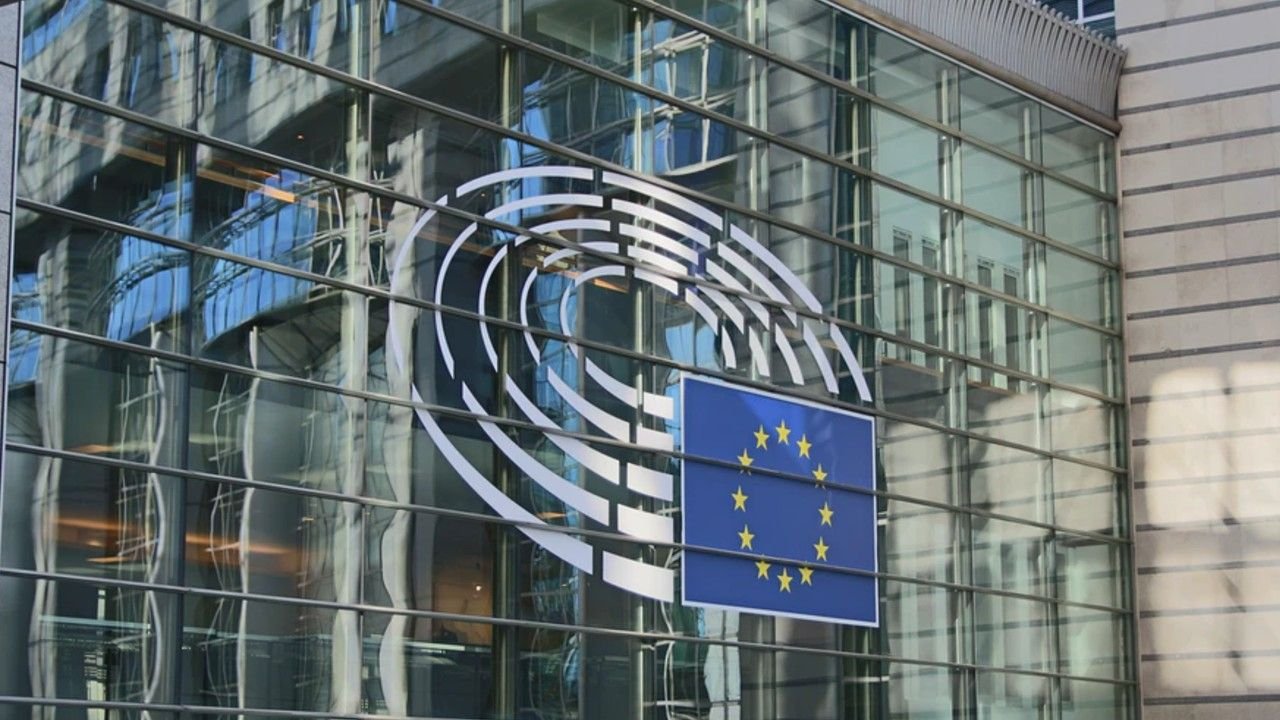
Your phone was about to become a surveillance device
The proposal is called "Chat Control" — an EU regulation that would have required every messaging app to automatically scan your messages, photos, and videos using AI algorithms before they were even sent. Think of it like a postal worker opening every letter you mail, photographing the contents, and checking them against a database — except it happens invisibly, on your own phone, before the message leaves your device.
This technique is called client-side scanning (scanning content on your device before it gets encrypted). It would have bypassed the very encryption that apps like Signal and WhatsApp use to keep your conversations private. Even if a message is encrypted end-to-end, the scanning happens before encryption — making the lock on your digital front door meaningless.
The stated goal was to detect child sexual abuse material (CSAM). But privacy advocates, security researchers, and even some law enforcement officials warned the system would create far more problems than it solved.
Half of all AI flags are wrong
The numbers tell a damning story:
48% of messages flagged by scanning algorithms are false positives — meaning nearly half of all "suspicious" content flagged by AI turns out to be completely innocent. Vacation photos, family pictures, even memes get caught in the net.
99% of all EU chat reports come from a single company — Meta (Facebook Messenger). When one company generates virtually all the data, the system isn't catching criminals broadly — it's surveilling one platform's users.
40% of German investigations triggered by AI scanning target minors themselves — teenagers sharing images with each other, not organized abusers. The AI can't tell the difference.
50% drop in police reports since 2022, as more apps adopt end-to-end encryption. The old scanning approach was already becoming ineffective on its own.
As digital rights advocate Patrick Breyer put it: "Mass surveillance of our chats on US platforms has never made a significant contribution to rescuing abused children."

What Parliament actually decided
The March 11 vote didn't just reject mass scanning — it set strict rules for what's allowed going forward:
- End-to-end encrypted messages cannot be scanned. WhatsApp, Signal, Telegram, and similar apps are explicitly protected.
- Scanning now requires a court order. Only specific users or groups suspected of criminal activity — confirmed by a judge — can be monitored.
- No more blanket surveillance. The previous system let companies like Meta, Google, and Microsoft scan all European users' messages without any individual suspicion.
- The voluntary scanning exemption was extended to August 2027 — but only under these much stricter rules.
Rapporteur Birgit Sippel summarized the balance: "We have a responsibility to address the horrific crime of child sexual abuse while safeguarding everyone's fundamental rights."
Conservatives are already trying to undo it
Here's the catch: the European People's Party (EPP), the Parliament's largest conservative group, is attempting to force a new vote to reverse this decision. Their goal is to bring back the option for untargeted mass scanning — essentially overriding what 458 of their colleagues already voted for.
The campaign group Fight Chat Control called this move "a direct attack on democracy and blatant disregard for your right to privacy."
There's also a hard deadline approaching: the current legal exemption that allows any form of voluntary scanning expires on April 3, 2026. If no new agreement is reached by then, platforms must stop all CSAM scanning entirely — which creates pressure for a rushed deal that could weaken protections.
The trilogue calendar
The final regulation is being negotiated between three EU institutions (Parliament, Council, and Commission) in a process called a trilogue (a three-way negotiation that determines EU law). Key dates:
- May 4, 2026: Third trilogue meeting
- June 29, 2026: Fourth trilogue meeting
- July 2026: Expected formal adoption
What you can do right now
Check your messaging apps:
If you're using WhatsApp, Signal, or Telegram — your messages are end-to-end encrypted and now explicitly protected under the Parliament's vote. You don't need to change anything.
If you're using Facebook Messenger, Instagram DMs, or SMS — these are not end-to-end encrypted by default. Your messages on these platforms could still be scanned under the voluntary exemption until August 2027.
To switch on encryption in Messenger: Open a conversation → tap the person's name → scroll down → "Secret Conversation." Or switch to Signal, which encrypts everything by default.
For EU residents who want to make their voice heard: the Fight Chat Control campaign provides tools to contact your MEPs directly before the trilogue negotiations resume in May.
This story topped Hacker News with over 1,000 points — the single highest-voted story of the day — showing just how much this issue resonates with the tech community. But it affects everyone who sends a text message in Europe.
Related Content — Get Started with Easy Claude Code | Free Learning Guides | More AI News
Stay updated on AI news
Simple explanations of the latest AI developments