Strix hacks your app before real hackers do — for free
Strix is a free AI with 21K GitHub stars that hacks your app like a real attacker — and proves every vulnerability with a working exploit.
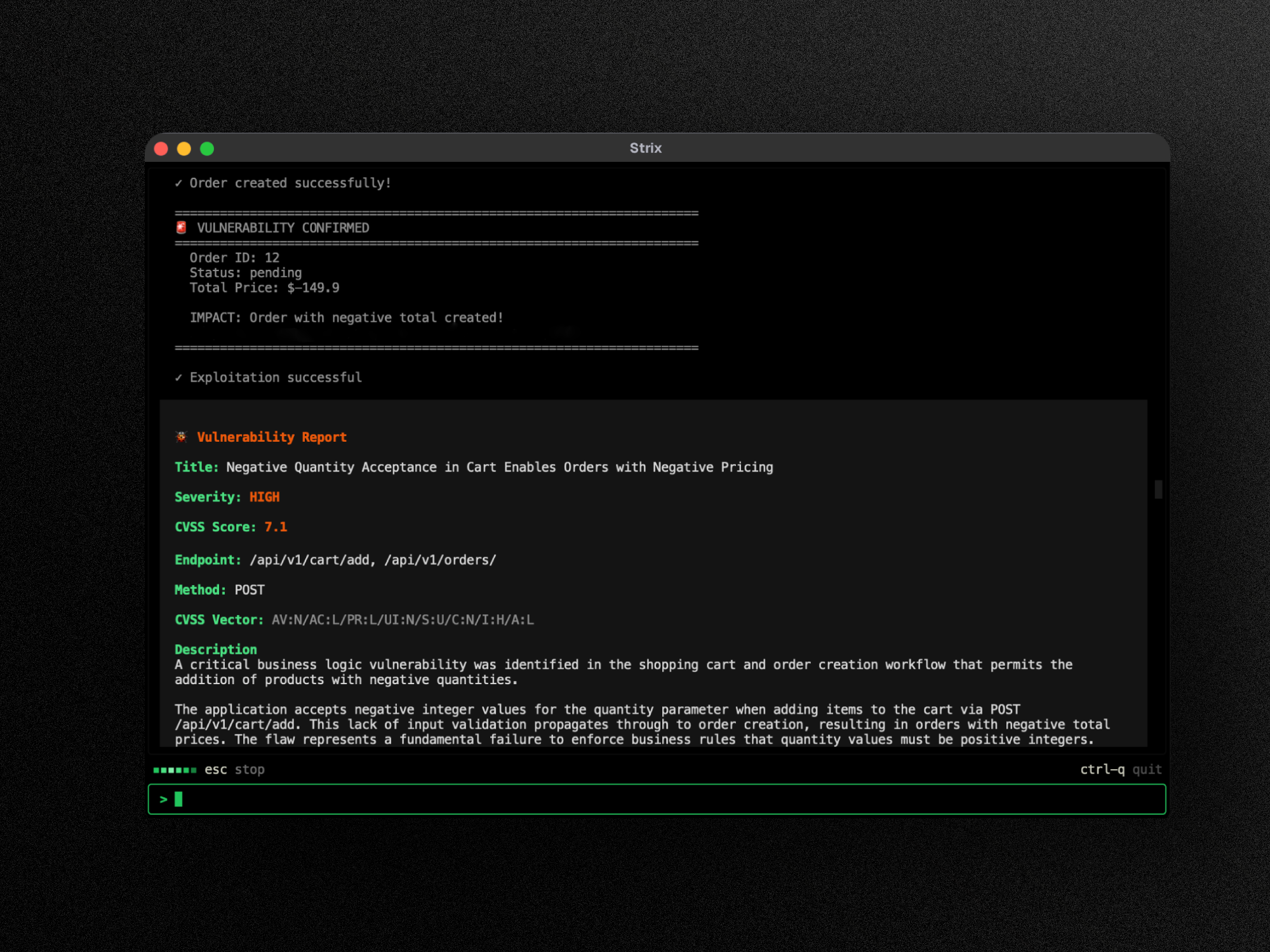
Strix is an open-source AI that does something unusual: it attacks your application — on purpose. Instead of scanning for theoretical vulnerabilities like traditional security tools, Strix acts like a real hacker. It probes your app, finds weaknesses, and then proves they're real by actually exploiting them. The result? A report that shows exactly what a malicious attacker could do, not just what might be possible.

The project just hit 21,600 GitHub stars and is trending today — and for good reason. Traditional penetration testing (hiring security experts to manually test your app) costs thousands of dollars and takes weeks. Strix does it in hours, for free.
How It Thinks Like a Hacker
Strix uses multiple AI agents working together, each with a different tool in the toolkit:
HTTP Proxy — intercepts and manipulates web traffic to test how your server handles tampered requests
Browser Automation — navigates your app like a real user, looking for client-side vulnerabilities like XSS (attacks that inject malicious code through your website)
Terminal Access — runs commands to test for server-side flaws like unauthorized file access
Python Environment — writes and runs custom exploit scripts on the fly
The key difference from traditional scanners: Strix doesn't just flag potential problems — it validates every finding with a working proof-of-concept. That means fewer false alarms and reports your team can actually act on.
What It Catches
Strix detects the vulnerabilities that cause real data breaches:
- Access control flaws — when users can see or modify data they shouldn't have access to
- Injection attacks — when attackers can insert malicious commands into your database or server
- XSS and CSRF — attacks that trick your website into running malicious code or performing unauthorized actions
- SSRF and XXE — server-side attacks that let hackers reach internal systems through your application
- Business logic flaws — subtle bugs in how your app works (like being able to buy items for negative prices)
Try It Yourself
Strix requires Docker (a tool that runs apps in isolated containers) and an API key from any major AI provider (OpenAI, Anthropic, Google, etc.).
# Install Strix
curl -sSL https://strix.ai/install | bash

# Set your AI provider (example with OpenAI)
export STRIX_LLM="openai/gpt-5.4"
export LLM_API_KEY="your-api-key"

# Point it at your app
strix --target ./your-app-directory
You can also run it through pip:
pip install strix-agentWho Should Care
If you're a developer shipping web applications, Strix plugs directly into your GitHub Actions workflow — it can automatically scan every pull request and block insecure code before it reaches production. No security expertise required.
If you run a startup that can't afford a $20,000+ penetration test, Strix gives you enterprise-grade security testing for the cost of an AI API call. It's already being used by Fortune 500 security teams and top-ranked bug bounty hunters on HackerOne.
The project is Apache 2.0 licensed (fully free for commercial use), with the full source code on GitHub. Version 0.8.3 was released on March 23, 2026. A commercial SaaS version with continuous monitoring and Slack/Jira integration is also available at strix.ai.
Related Content — Get Started with Easy Claude Code | Free Learning Guides | More AI News
Stay updated on AI news
Simple explanations of the latest AI developments