Trump's AI czar just ran out of time — no replacement in sight
David Sacks hit his 130-day government limit and stepped down as White House AI and Crypto Czar. No successor is planned — and key AI legislation remains unfinished.
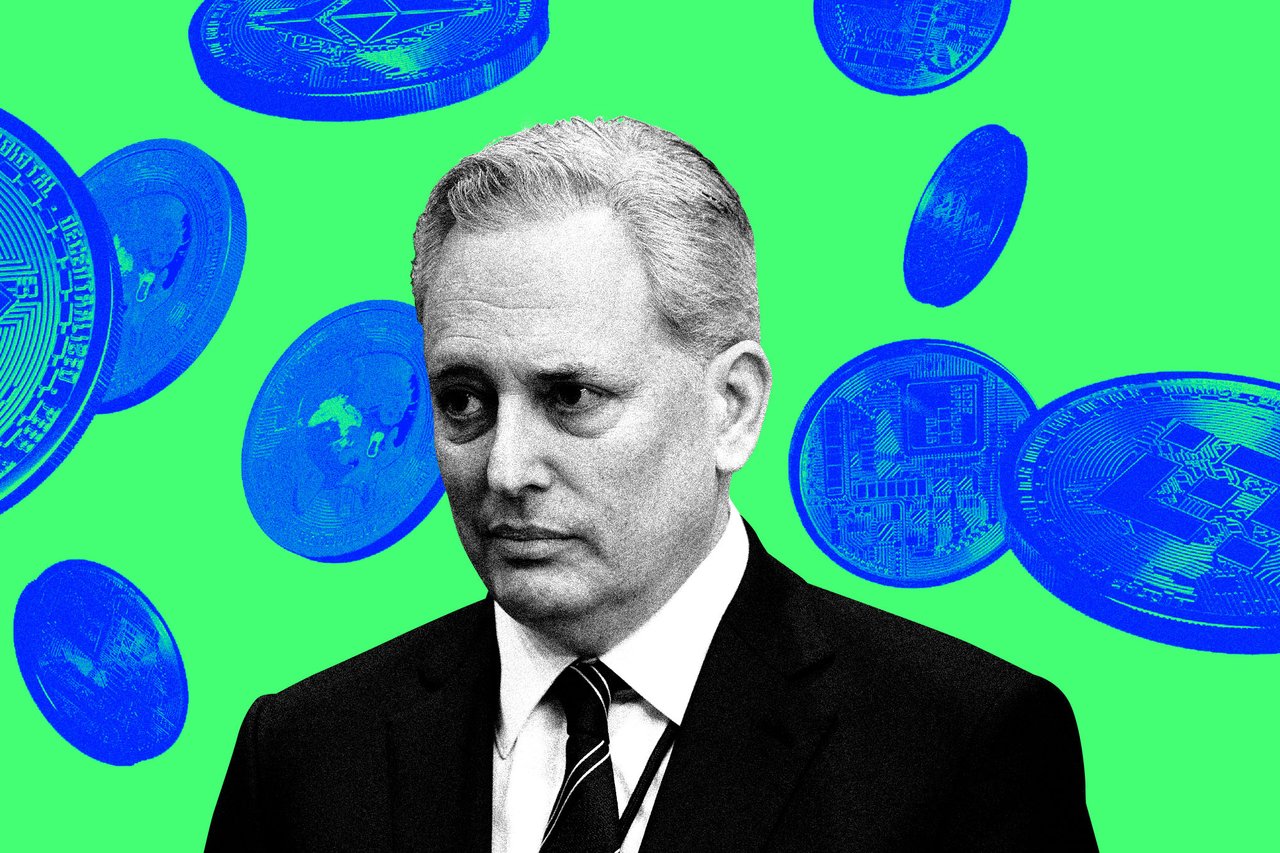
David Sacks, the venture capitalist who became the most powerful figure shaping American AI policy, just revealed he's no longer President Trump's Special Advisor on AI and Crypto. The reason? He ran out of days.
As a Special Government Employee (SGE) — a status that lets private-sector workers advise the government part-time — Sacks was capped at 130 working days. He's used them all. More than a year after his appointment, the clock finally expired.
Where he's going — and what he's leaving behind
Sacks will transition to co-chairing PCAST (the President's Council of Advisors on Science and Technology), the advisory panel that now includes Mark Zuckerberg, Jensen Huang, Sergey Brin, and Marc Andreessen. But there's a critical difference: PCAST members only "study issues" and "make recommendations." They don't coordinate with agencies or set policy.
In his own words: "It's intended to be advice to the president and to the White House. We're going to study issues, make recommendations. That's the main goal."
- The CLARITY Act — a bill to create rules for digital assets — is still being debated in Congress
- Stablecoin regulation — proposed rules for digital currency governance remain incomplete
- The Strategic Bitcoin Reserve — questions about additional funding beyond seized assets are unresolved
- A proposed permanent White House crypto council never materialized
A political casualty
Sacks's exit isn't purely administrative. His aggressive policymaking alienated people on all sides.
He pushed for a blanket ban on state-level AI regulation — first through Congress, then by executive order. That move angered Republican governors and MAGA populists who value states' rights. According to Michael Toscano, executive director of the conservative Institute for Family Studies: "He failed to get preemption. He pressed the White House into a culture war against its own voters. He has been a political disaster."
Then came the final straw: Sacks publicly criticized Trump on his podcast All In, suggesting the president needed an "off-ramp" from his war with Iran. In the Trump administration, public criticism by appointees has historically led to reassignment — a pattern seen with Mike Waltz (moved from National Security Advisor to UN Ambassador) and Kristi Noem (reassigned from DHS Secretary to a special envoy).
What this means for AI policy
The White House has no plans to appoint a new AI czar, according to sources familiar with the matter. That leaves a vacuum at the center of American AI policy at a critical moment — with the EU racing ahead on regulation, China investing aggressively, and debates over AI safety, deepfakes, and data center energy consumption intensifying by the week.
Michael Kratsios, who heads the White House Office of Science and Technology Policy, will co-chair PCAST alongside Sacks. But Kratsios' role is structurally different — he runs a policy office, not an advisory body with direct presidential access.
For anyone following AI policy in the US, the takeaway is clear: the person who had the most direct influence on how America regulates AI is now an advisor without operational power — and nobody is stepping into his shoes.
Related Content — Get Started with Easy Claude Code | Free Learning Guides | More AI News
Stay updated on AI news
Simple explanations of the latest AI developments