Two delivery robots just smashed through bus shelters — Chicago wants them gone
Two food delivery robots crashed through Chicago bus shelters days apart, racking up 3.6M video views and a 3,700-signature petition to ban sidewalk bots.
Two food delivery robots from two different companies smashed through glass bus shelters in Chicago within 48 hours of each other — and the viral footage has reignited a fierce debate about whether autonomous sidewalk robots belong in American cities at all.
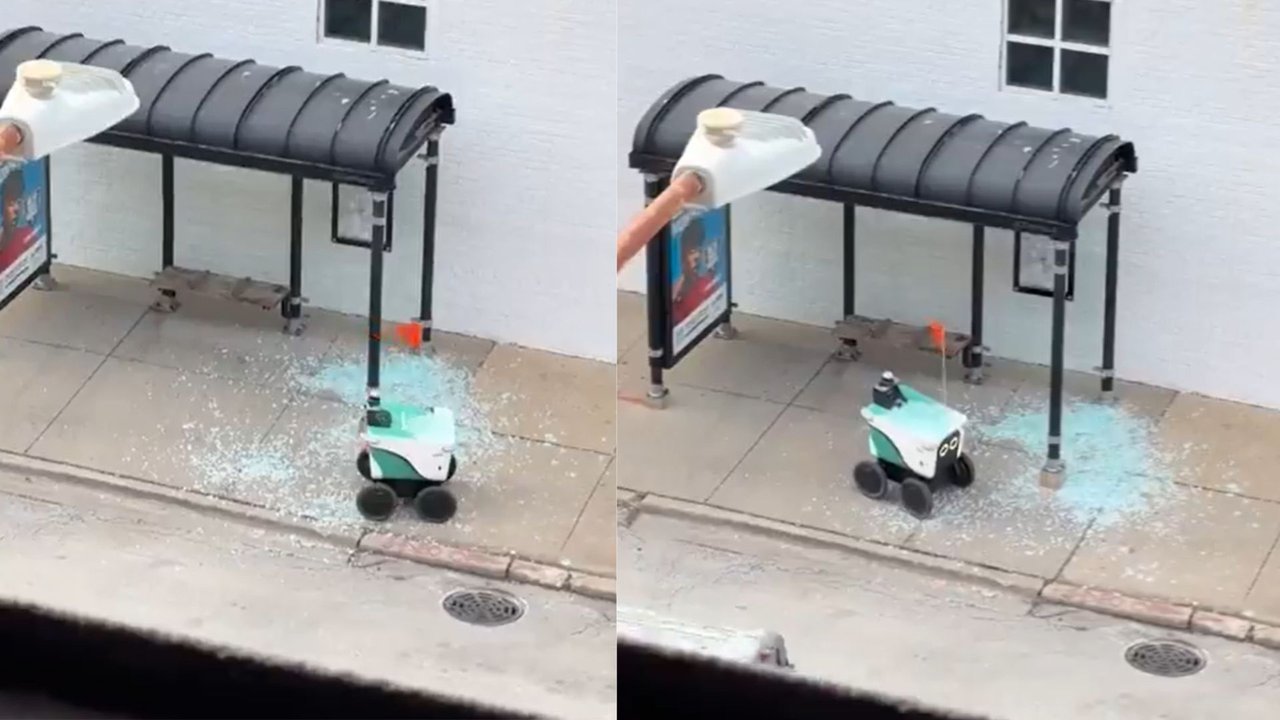
The first robot, owned by Serve Robotics, plowed through a CTA bus shelter at Grand and Racine Avenue in West Town on Sunday, March 24. Surveillance video shows the bot swerving around a glass panel, then inexplicably crashing straight through a different one — then jerking back and forth to shake the glass off, showering more shards onto the sidewalk. The clip hit 3.6 million views on X within two days.
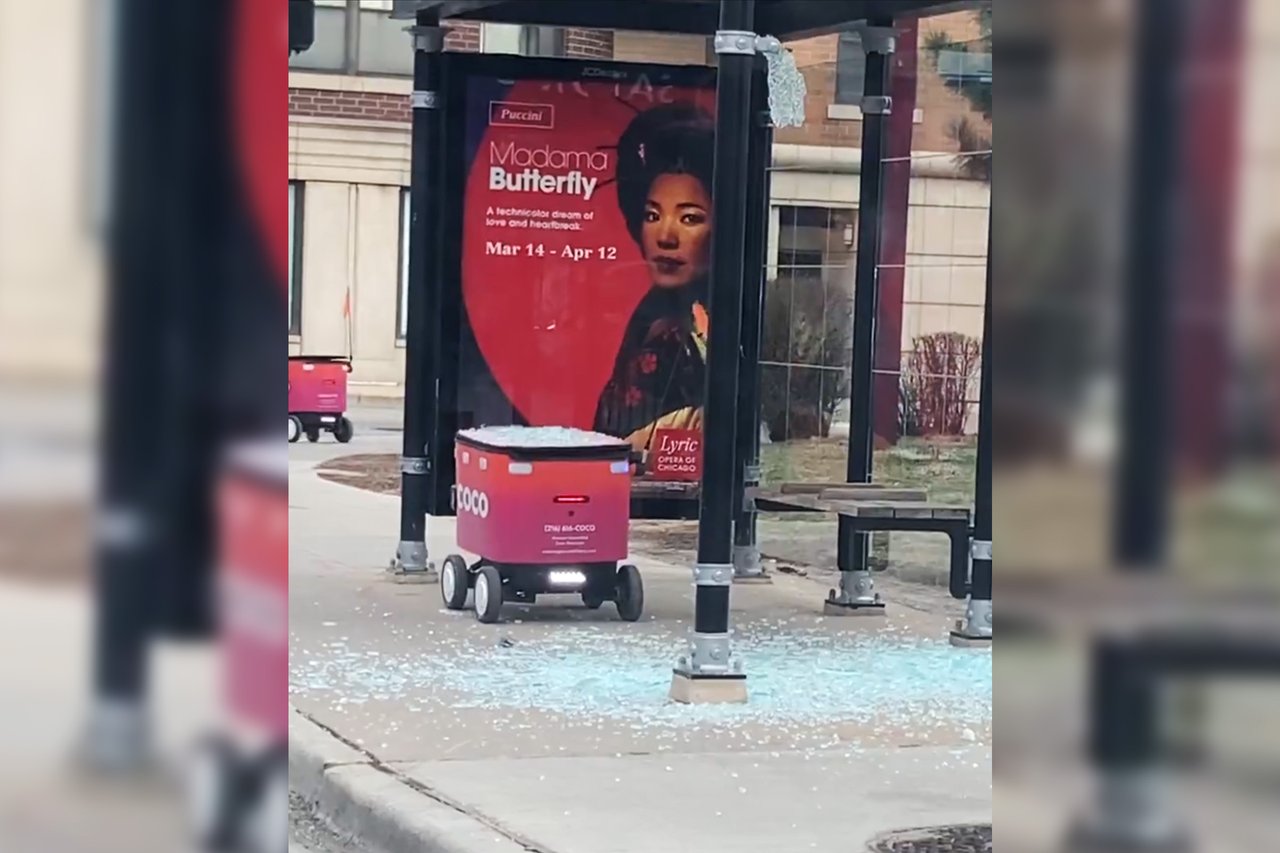
Two days later, on Tuesday, a robot from Coco Robotics did the exact same thing — smashing through the glass at a bus shelter at North Avenue and Larrabee Street in Old Town. Photos showed the pink Coco bot sitting in the wreckage, glass shards scattered across its top like confetti.
100 robots, zero accountability — until now
About 100 delivery robots currently roam Chicago sidewalks under a pilot program approved back in 2022. Coco runs 50 bots in areas like Fulton Market, the West Loop, and Greektown. Serve Robotics deploys about 75 bots daily through an Uber Eats partnership that started in September 2025.
The robots roll at a top speed of about 5 mph — roughly a fast walking pace. Each one has onboard cameras and is monitored remotely by a human operator. Despite that oversight, both companies are now scrambling to explain how their machines managed to demolish public infrastructure.
Serve Robotics: "We're aware of the incident. No injuries were reported, our team responded quickly to clean up, and we're reviewing what happened to make improvements."
Coco's head of safety, Carl Hansen: "This is the first time one of our robots has collided with a structure like this. Safety is a top priority in how we design and monitor our systems."
Both companies agreed to pay for repairs, working with JCDecaux, the firm that maintains Chicago's bus shelters.
3,700 signatures and counting
The crashes have turbocharged an already-growing opposition. A "No Sidewalk Bots" petition demanding a citywide ban has gathered over 3,700 signatures. A resident survey in one ward showed over 80% opposition to the robots.
Alderman Daniel LaSpata (1st Ward) has already blocked both companies from expanding into his district, citing constituent complaints about robots driving aggressively near people with mobility disabilities and concerns about sidewalk surveillance via the bots' onboard cameras.
Resident Melissa Bers told ABC7: "I think that it takes away jobs from people… they're dangerous to cars, to people, animals get scared of them."
This isn't just a Chicago problem
Chicago isn't alone in the robot backlash. In Miami, a Coco robot was destroyed after stopping on train tracks. In Los Angeles, multiple robots have been overturned or deliberately disabled by frustrated residents. The pattern is becoming clear: cities are approving pilot programs faster than communities can evaluate whether they actually want robots on their sidewalks.
Mayor Brandon Johnson acknowledged the incidents but struck a cautious tone, saying the pilot program (which runs until May 2027) is "an opportunity to evaluate what works."
What you can check right now
If you live in a city with delivery robot programs, here's what to know:
• Coco operates in Chicago, LA, Miami, and Austin
• Serve Robotics operates in LA and Chicago via Uber Eats
• Most cities have public comment periods before expanding robot programs — check your alderman or city council's website
• The No Sidewalk Bots petition is still accepting signatures
The pilot program was supposed to prove that sidewalk robots and pedestrians can coexist. Instead, two shattered bus shelters and 3.6 million video views later, it might be proving the opposite.
Related Content — Get Started with Easy Claude Code | Free Learning Guides | More AI News
Sources
Stay updated on AI news
Simple explanations of the latest AI developments