Goose just hit 33K stars — it does what Claude Code does, for free
Block's open-source AI agent Goose matches Claude Code's capabilities with 33K GitHub stars, works with 40+ AI models, and costs nothing. Here's how to set it up.
Claude Code costs up to $200 a month. Goose, an open-source AI agent built by Block (the company behind Square and Cash App), does the same thing — and it's completely free.
Goose doesn't just suggest code. It builds entire projects from scratch, writes and runs code, debugs errors, manages workflows, and talks to external services — all on your own computer, with no subscription.
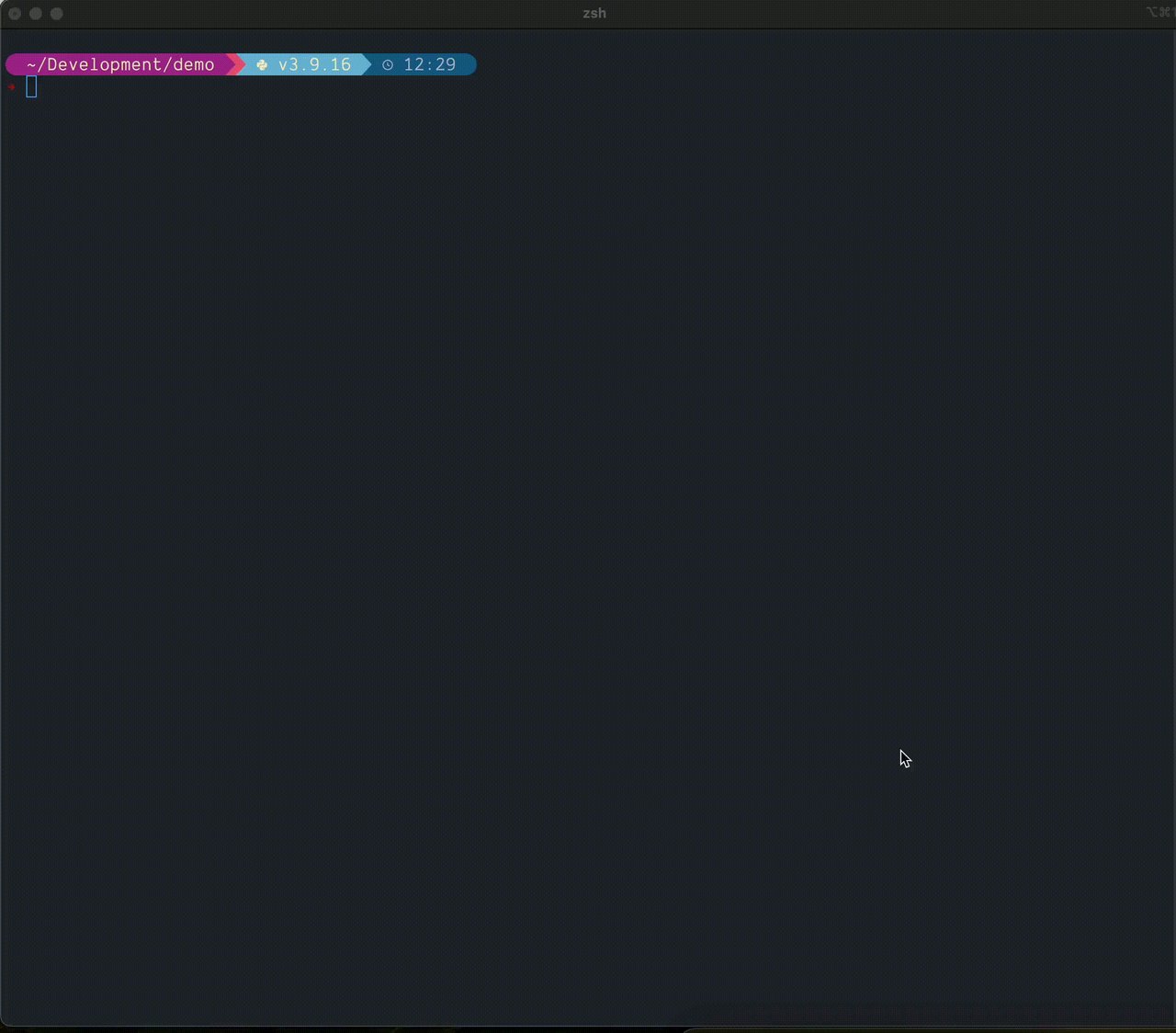
33,600 stars and 432 contributors — this isn't a side project
Goose has exploded on GitHub: 33,600 stars, 432 contributors, 3,100 forks, and over 4,000 commits. It's released under the Apache 2.0 license, meaning anyone can use, modify, or distribute it — even commercially.
The project is built primarily in Rust (for speed) and TypeScript (for the desktop app). It ships as both a desktop application and a command-line tool, so you can choose whichever fits your workflow.
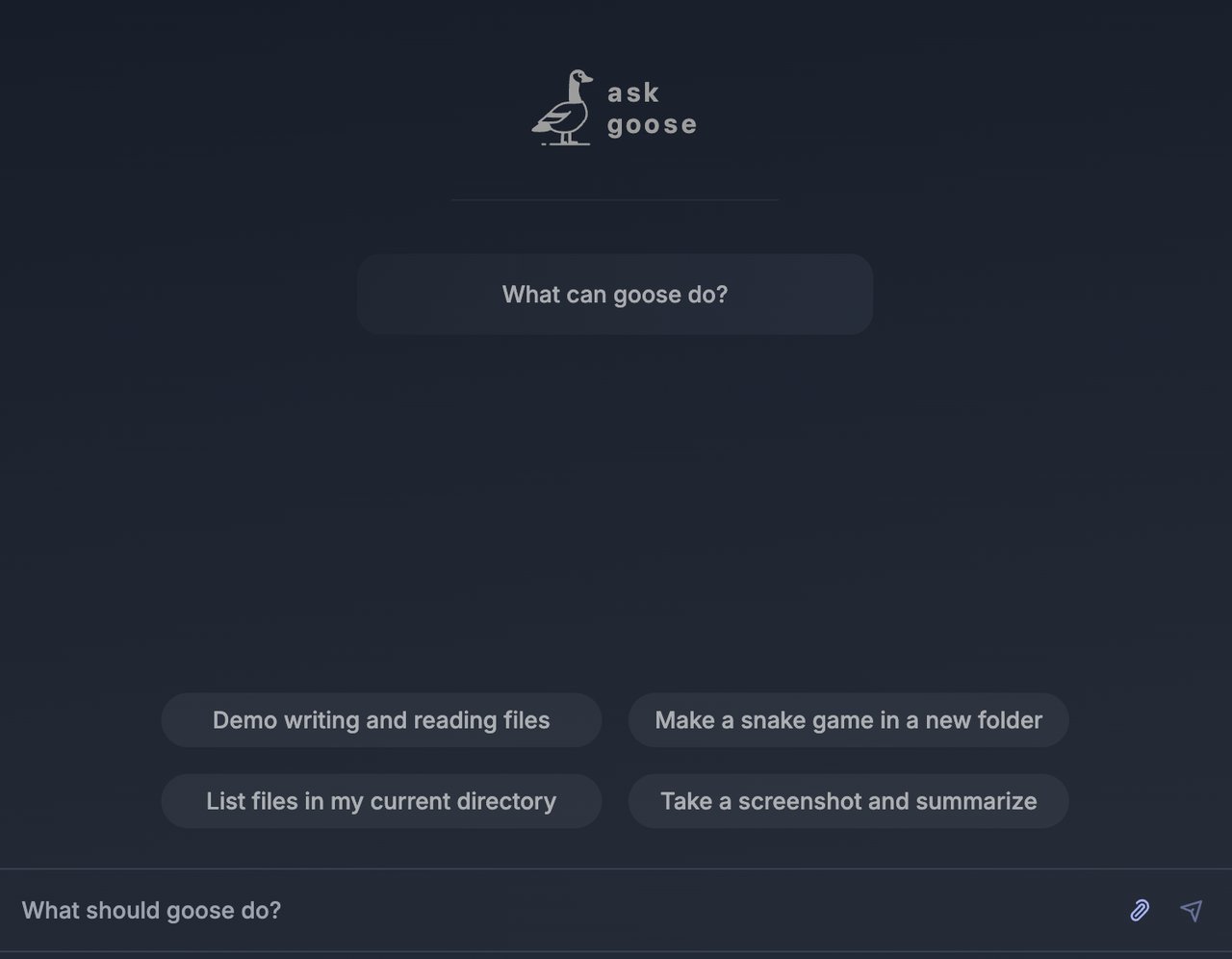
Works with 40+ AI models — including free ones
Unlike Claude Code, which locks you into Anthropic's API, Goose connects to over 40 AI providers:
Cloud options: Claude, GPT-4, Gemini, Mistral, Groq, xAI Grok, Amazon Bedrock, Azure OpenAI
Free cloud options: Groq (free inference for open-source models), Google Gemini (free tier)
Run it locally — zero cost: Ollama, LM Studio, Docker Model Runner — your data never leaves your machine
You can even use multiple models at once — a powerful cloud model for complex tasks, a fast local model for quick edits — optimizing both cost and speed.
What Goose actually does on your machine
Here's what sets Goose apart from a simple chatbot:
Autonomous execution — give it a task, walk away. It writes code, runs it, checks for errors, and fixes them.
Full project builds — describe what you want, and Goose creates the entire project structure, files, and working code.
MCP extensions — connects to external tools and services using Anthropic's Model Context Protocol (a standard way for AI to talk to other software). Figma, VS Code, databases — all fair game.
API interaction — Goose can call external APIs, manage cloud services, and orchestrate complex multi-step workflows autonomously.
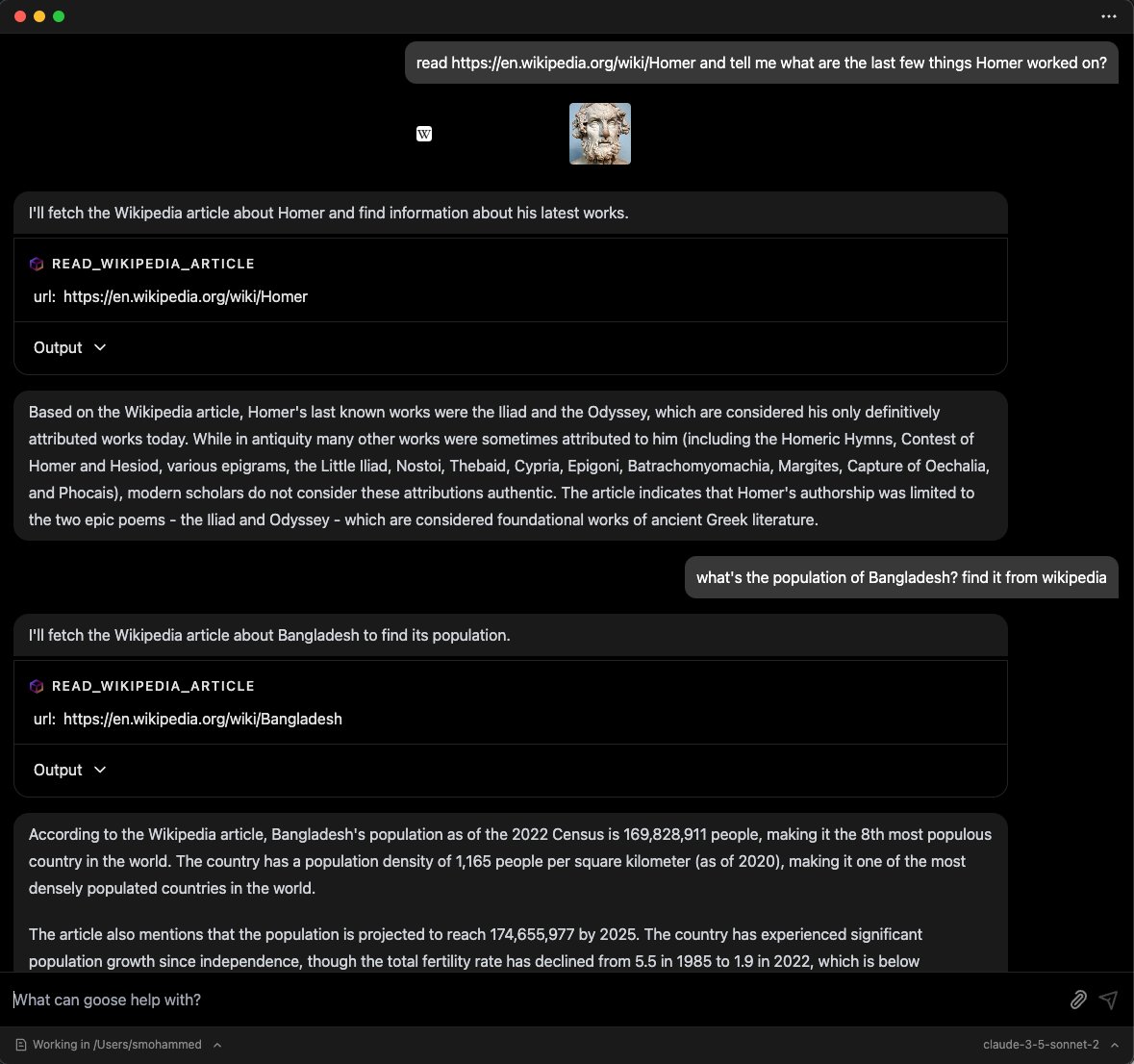
Install in under 2 minutes
Mac (Homebrew):
# Desktop app
brew install --cask block-goose

# Command-line only
brew install block-goose-cli
Linux / Mac / WSL (one-liner):
curl -fsSL https://github.com/block/goose/releases/download/stable/download_cli.sh | bashWindows: Download the ZIP from GitHub Releases or use the PowerShell installer.
After install, run goose configure to pick your AI model. The setup wizard walks you through it — no config files to edit manually.
Goose vs. Claude Code — the real tradeoffs
Goose isn't a perfect 1:1 replacement. Here's what you need to know:
Where Goose wins: Free forever, works with any model, runs locally for full privacy, Apache 2.0 license, desktop app + CLI, 40+ provider integrations
Where Claude Code wins: Tighter Anthropic integration, optimized for Claude models' tool-calling abilities, more polished out-of-the-box experience
The docs say it themselves: "Goose relies heavily on tool calling capabilities and currently works best with Claude 4 models" — meaning the best Goose experience still uses Claude's API, but you pay only for what you use instead of a flat subscription.
Who should try this
If you're already paying for Claude Code and want to cut costs, Goose with a pay-per-use API key could save you significantly. If you want full privacy, pair Goose with Ollama and nothing ever leaves your laptop. If you want flexibility, Goose lets you switch between GPT-4, Claude, Gemini, or local models without changing tools.
With 33,600 stars and Block's engineering team behind it, Goose is the most credible free alternative to paid AI coding agents right now.
Related Content — Get Started with Easy Claude Code | Free Learning Guides | More AI News
Sources
Stay updated on AI news
Simple explanations of the latest AI developments