Congress just moved to ban Chinese robots from government
Schumer and Cotton introduced a bipartisan bill banning Chinese humanoid robots from all federal agencies — citing backdoors and surveillance risks.
One day after Melania Trump walked a humanoid robot through the White House, two of the most powerful senators in Washington introduced a bill to ban Chinese-made robots from every federal agency in the country. The timing says everything about where the US robot race is headed.
The American Security Robotics Act, introduced on March 26 by Senate Republican Conference Chairman Tom Cotton (R-Arkansas) and Senate Democratic Leader Chuck Schumer (D-New York), would prohibit the federal government from buying or operating humanoid robots, surveillance vehicles, autonomous patrol systems, and any other "unmanned ground vehicle" made by foreign adversaries — specifically China.
The security argument: cameras, sensors, and backdoors
The lawmakers aren't worried about robots taking jobs. They're worried about robots taking data.
Modern humanoid robots are packed with cameras, microphones, LIDAR sensors (the spinning laser scanners that create 3D maps of their surroundings), and AI processors. If those robots are made by Chinese companies backed by the Chinese government, Cotton and Schumer argue, they could contain hidden backdoors — secret software pathways that allow unauthorized access to collected data or even remote control of the machines.
Cotton: "Robots made by Communist China threaten Arkansans' privacy and our national security."
Schumer: "Chinese firms backed by their government are running their standard playbook — this time in robotics — trying to flood the U.S. market with their technology, which presents real security risks."
Representative Elise Stefanik (R-New York) announced a companion bill in the House, signaling this has bipartisan, bicameral support — meaning it's more likely to actually become law.
Which companies are in the crosshairs
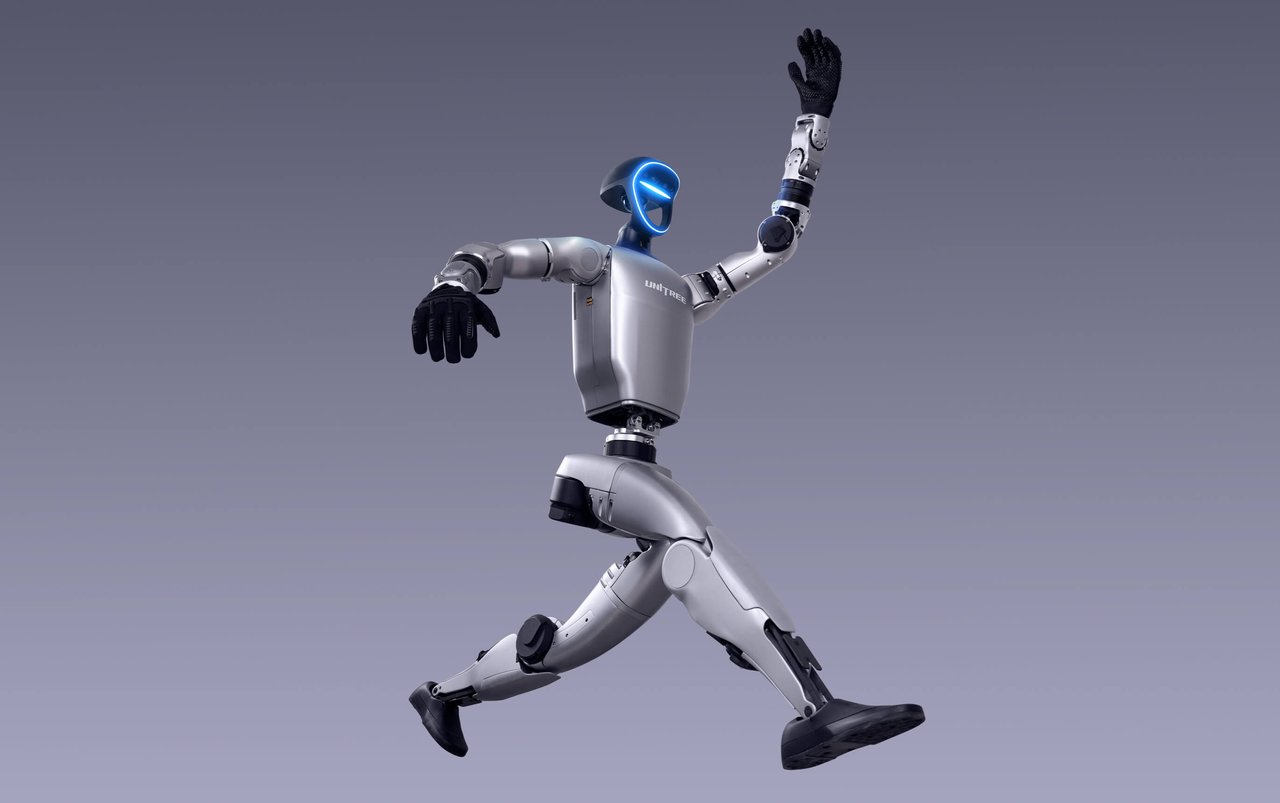
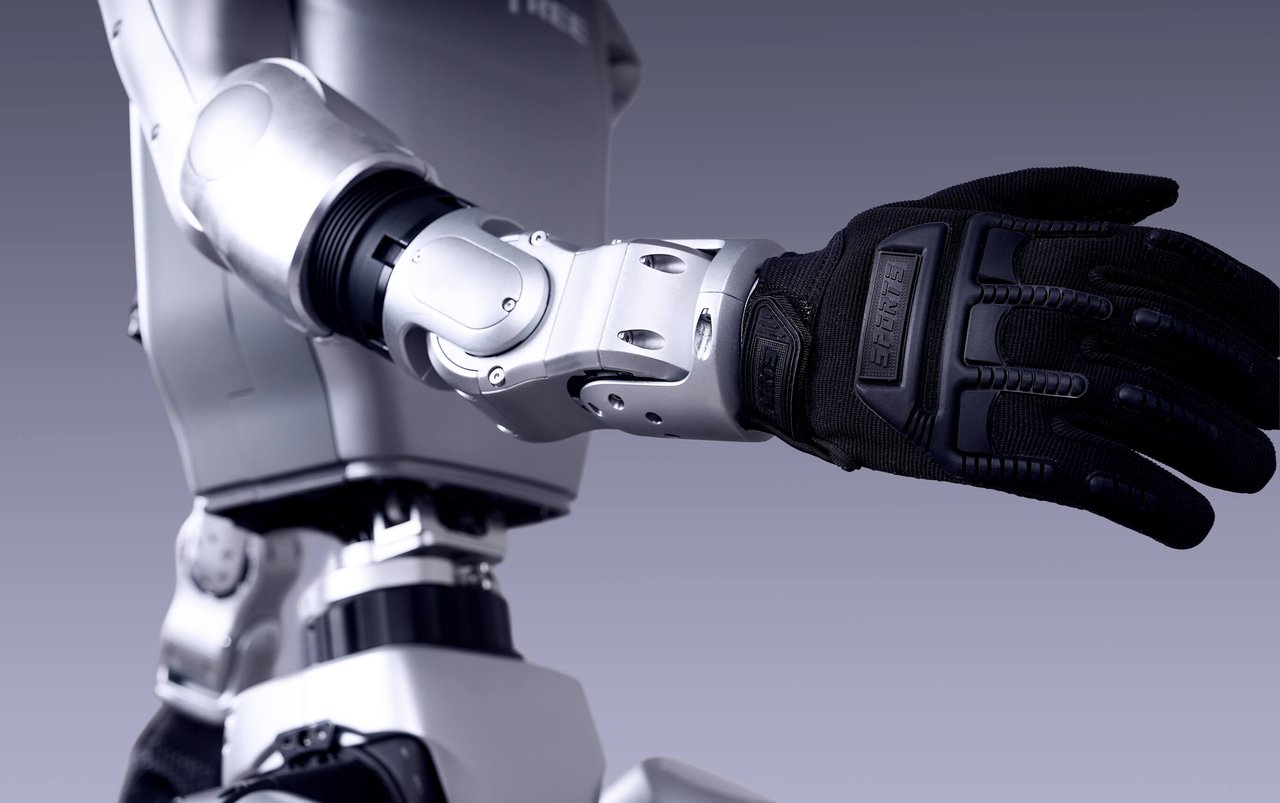
Two Chinese robotics firms are at the center of this: Unitree and Agibot. Both are preparing to go public on Chinese stock exchanges this year, and both make humanoid robots that directly compete with American companies.
Unitree's G1 is particularly notable. At roughly $13,500, it's one of the most affordable humanoid robots on the market — far cheaper than comparable American-made machines. The company also makes the larger H1 (roughly $90,000), and lawmakers previously urged the Pentagon to add Unitree to a list of companies working with China's military.
The bill doesn't name specific companies. Instead, it targets any unmanned ground vehicle manufactured or assembled by entities linked to "foreign adversaries" — a legal category that currently includes China, Russia, Iran, and North Korea.
The White House contrast nobody is ignoring
The timing of this bill is impossible to separate from what happened the day before. On March 25, First Lady Melania Trump walked side-by-side with Figure 03, a humanoid robot made by California startup Figure AI, into the White House East Room for an education technology summit.
"It's fair to state, you are my first American-made humanoid guest in the White House," Trump told the robot — which responded in 11 languages. She suggested that "very soon, artificial intelligence will move from our mobile phones to humanoids that deliver utility," and asked guests to imagine a "humanoid educator named Plato" teaching classical studies.
The message from Washington is clear: American robots welcome. Chinese robots banned.
What the ban actually covers
• Humanoid robots — walking, talking machines in human form
• Autonomous patrol robots — security bots that roam on their own
• Remote surveillance vehicles — mobile camera platforms
• Mobile robotics — any wheeled or legged unmanned ground vehicle
• Exemption: Military and law enforcement can research Chinese robots, but only if the robots can't send data to or receive data from China
The bigger picture: robots are the next TikTok
This follows the exact same pattern Washington used against Chinese drones (DJI), telecom equipment (Huawei), and social media (TikTok). First, security agencies raise concerns about data collection. Then, bipartisan legislation moves to restrict or ban the technology from government use. Eventually, broader consumer restrictions follow.
Chinese robotics companies are growing fast. Unitree's G1 at $13,500 undercuts American alternatives by a wide margin. Tesla, Boston Dynamics, and Figure AI are all racing to bring humanoid robots to market — but none can match Chinese pricing yet. This bill ensures that even if Chinese robots are cheaper, the US government won't be buying them.
What to watch next
If you work in government procurement: Start reviewing your robotics supply chains now. If this bill passes, any contract involving Chinese-made unmanned ground systems would need to be unwound.
If you're in the robotics industry: American robotics companies like Figure AI, Boston Dynamics, and Apptronik stand to benefit directly from reduced Chinese competition in government contracts.
If you're a consumer: This bill only covers federal government purchases — for now. But the DJI and TikTok playbook suggests broader restrictions could follow. If you're already using a Unitree robot for research or personal projects, this doesn't affect you today, but the regulatory direction is clear.
Related Content — Get Started with Easy Claude Code | Free Learning Guides | More AI News
Stay updated on AI news
Simple explanations of the latest AI developments