Sunday's home robot just hit $1.15B — trained in 500 real homes
Sunday Robotics raised $165M at a $1.15B valuation for 'Memo', a wheeled home robot trained in 500+ real households. Beta ships Fall 2026.
Most household robot companies train their machines in labs and simulations, then hope the robots transfer their skills to messy real homes. Sunday took the opposite approach: they went into 500+ actual households and collected tens of millions of real movement episodes using a proprietary glove device. The result is a robot called Memo — and investors just valued the company at $1.15 billion.
Sunday raised $165 million in a Series B round in March 2026, led by Coatue Management. The round included Bain Capital Ventures, Tiger Global, Benchmark, Fidelity Management & Research, Conviction, and Xtal Ventures. Thomas Laffont of Coatue joined the board. Just months earlier, in November 2025, the company didn't exist publicly — it emerged from stealth and went straight to unicorn (a startup valued over $1 billion) status.
Why Memo Doesn't Have Legs (And That's the Point)
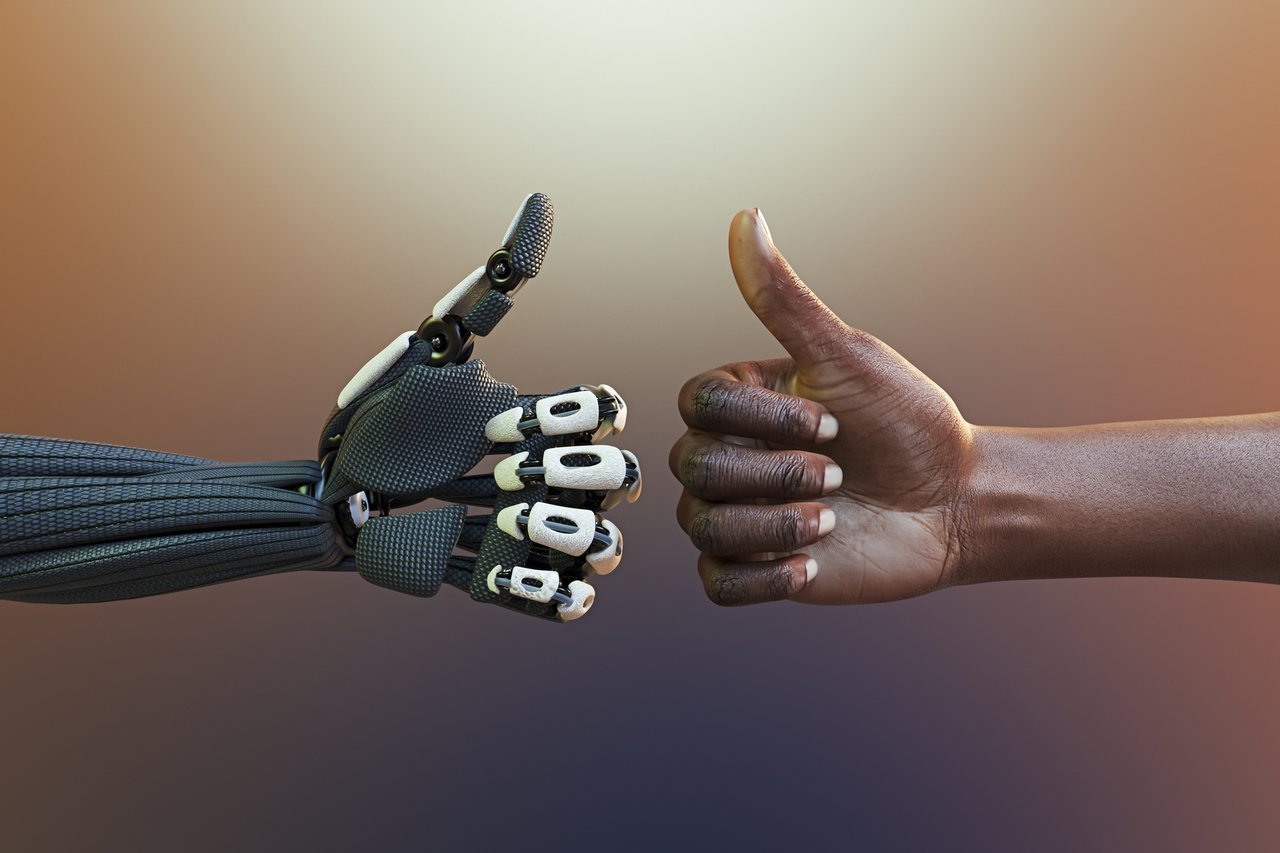
While competitors race to build humanoid robots — machines that walk on two legs and look vaguely human — Sunday made a deliberate engineering choice: Memo uses a wheeled platform with a low center of gravity. Wheels are inherently more stable than legs, dramatically less likely to fall over near children or elderly people, and don't require the enormous computational overhead of balance control.
This isn't a compromise — it's a strategy. The vast majority of household tasks (clearing tables, loading dishwashers, folding laundry, operating kitchen appliances) can be done from a wheeled platform. Sunday is optimizing for the tasks that actually matter in daily life, not for the appearance of human form.
The Secret Weapon: Real-Home Training Data
The core technical innovation isn't the robot itself — it's how it learned. Sunday invented a Skill Capture Glove, a proprietary wearable device that records human hand movements in fine detail. Operators wore the gloves while performing household tasks in 500+ different real homes across varying layouts, cluttered surfaces, unusual lighting, and unpredictable environments.
- 500+ training households — real homes with real clutter, not lab setups
- Tens of millions of human movement episodes recorded
- Skill Capture Glove — proprietary wearable data collection device
- 70+ member team from Tesla, DeepMind, Waymo, Meta, OpenAI, and Apple
- 1,000+ person waitlist before any product announcement
- 50 beta households receiving uniquely numbered Memo units by Fall 2026
This matters because robots trained in simulations consistently fail at real-world deployment. A simulated kitchen is perfectly clean, uniformly lit, and physically predictable. A real kitchen has a dog bowl in the walkway, mismatched surfaces, a toddler who moves things, and cups that are slightly different shapes than anything in the training set. Sunday's bet is that robots need to learn from the real world — not a virtual replica of it.
What Memo Can (And Can't) Do Right Now
Memo is designed for routine manipulation tasks in unstructured environments: clearing tables, loading dishwashers, folding laundry, and operating household appliances like espresso machines. These are tasks that require precise object manipulation (picking up objects of varying shapes, weights, and positions without dropping or breaking them) in environments that constantly change.
What Memo cannot do yet: complex multi-room navigation, tasks requiring legs to access elevated surfaces, or fully autonomous operation in homes it hasn't been introduced to. The Fall 2026 beta is about real-world reliability and safety testing — 50 selected households will receive uniquely numbered units as part of structured research, not consumer retail.
Who Founded Sunday and Why It Matters
Founders Tony Zhao and Cheng Chi are former Stanford researchers with serious pedigree: they co-created ALOHA, the open-source robot platform that became a reference design for dozens of research labs, and pioneered diffusion policy techniques (a machine learning approach for teaching robots smooth, human-like movements). They're not first-time roboticists building on hype — they built the tools many others are using.
The team of 70+ engineers includes alumni from Tesla's Autopilot team, DeepMind robotics, Waymo, Meta AI, OpenAI, and Apple Special Projects. This is arguably the most robotics-credentialed founding team to emerge in the household category.
When Can You Get One?
Sunday isn't selling Memo yet. The Fall 2026 milestone is 50 uniquely numbered beta units going to selected households for safety and reliability research. A broader commercial rollout timeline hasn't been announced. If you want to be among the first, the waitlist at sunday.ai already has 1,000+ people on it.
The $1.15 billion valuation for a company with no shipping product reflects investor conviction that the household robot market is entering its defining moment — and that Sunday's real-world data approach gives it a moat that lab-trained competitors will struggle to replicate.
Related Content — Get Started with Easy Claude Code | Free Learning Guides | More AI News
Stay updated on AI news
Simple explanations of the latest AI developments