Meta AI Data Center: $27B Funds 10 Gas Plants in Louisiana
Meta commits $27B to power its AI data center with 10 gas plants generating 7.5 GW. Even Exxon and Dow Chemical say the deal unfairly burdens ratepayers.
Meta just committed $27 billion to build a single AI data center in rural Louisiana — and to power it, the company will fund 10 natural gas plants generating 7.5 gigawatts (enough electricity for roughly 2 million American homes). Even Exxon and Dow Chemical think the deal is unfair to local ratepayers.
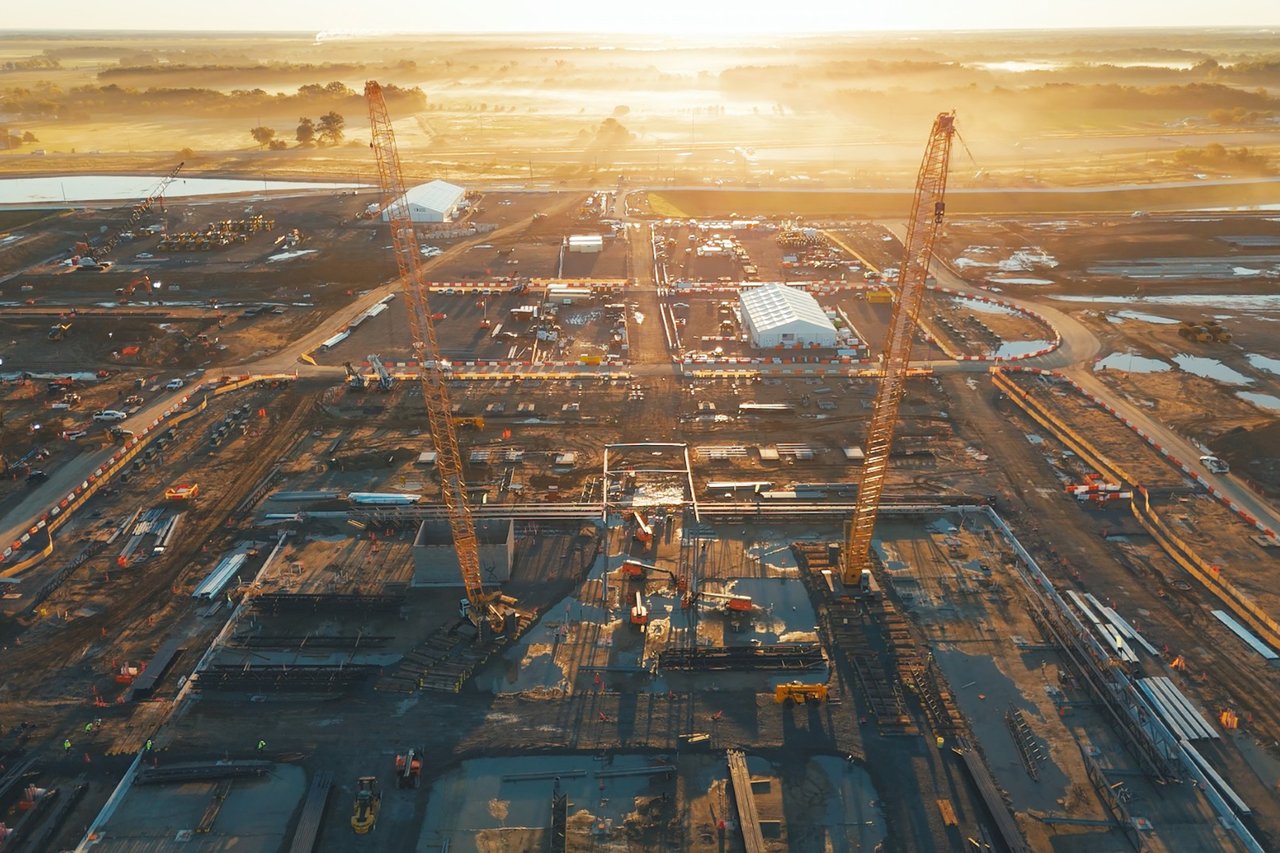
Meta's $27B AI Data Center: Ten Gas Plants, One Facility
The project is called Hyperion, and it's being built in Richland Parish — a farming community in northeastern Louisiana where peanut farmer Francis Jordan worries about young people leaving town. Meta originally announced a $10 billion investment in December 2024. Fifteen months later, the price tag has nearly tripled.
On March 27, 2026, Meta signed a 15-year contract with Entergy Louisiana (the state's monopoly utility provider) to fund seven new natural gas power plants, adding to three already approved in August 2025. The seven new plants alone will produce over 5,200 megawatts (MW) of gas-fired power. Combined with the earlier three plants producing 2,300 MW, the total output hits 7.5 gigawatts — a 30% increase to Louisiana's entire electrical grid capacity.
The estimated cost for the 10 power plants alone is approximately $11 billion. The remaining $16 billion covers the data center itself, which spans over 4 million square feet across 5,000+ acres of former agricultural land. CEO Mark Zuckerberg has said the facility would cover "a significant part of the footprint of Manhattan."
Hyperion Data Center: Bigger Than Manhattan, Thirstier Than New Orleans
The numbers are staggering when you put them in context:
- Power consumption: Hyperion will use more than twice the electricity of New Orleans on a peak day
- Physical size: The 5,000+ acre site is roughly 4x the size of Central Park
- Water usage: An estimated 5 million gallons per day — equivalent to roughly 3,600 Olympic swimming pools annually — drawn from an agricultural region with limited water resources
- New infrastructure: 240 miles of new 500kV transmission lines (high-voltage power cables connecting distant regions) will stretch from South Louisiana to North Louisiana and Arkansas
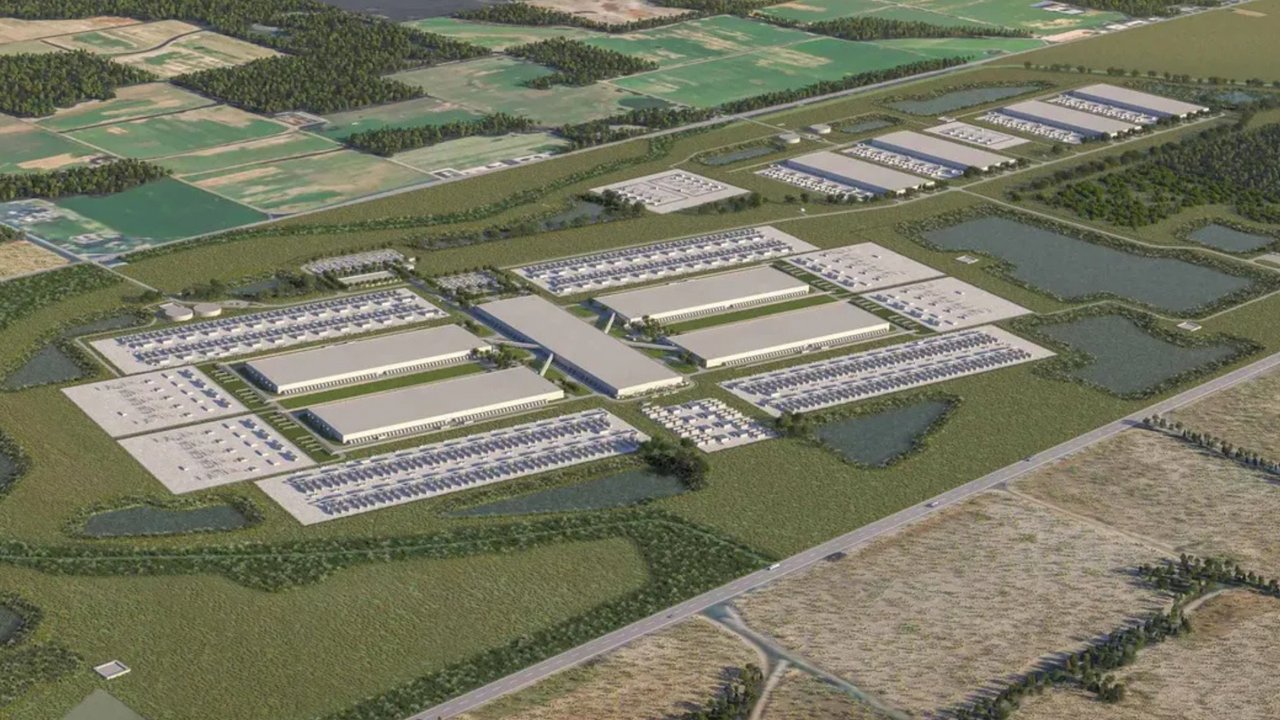
For comparison, Hyperion at 7.5 GW would be the world's largest data center — dwarfing Microsoft's planned 5 GW facilities and Google's largest at roughly 2 GW. The facility won't be fully operational until 2030, with 3,700 construction workers already on site and a peak workforce of 5,000 expected by June 2026.
Exxon and the Sierra Club Unite Against Meta's Energy Deal
Here's where it gets interesting. The Louisiana Energy Users Group — a lobbying organization representing Exxon, Dow Chemical, and other industrial giants — has formally objected to the deal. Their argument: "Entergy should not be allowed to use its monopoly structure to unreasonably impose financial risks on existing captive ratepayers (customers who have no choice but to buy from Entergy) to serve the new data center load."
That puts Exxon and Dow Chemical on the same side as the Sierra Club, which has called for an independent environmental impact assessment that Louisiana regulators have yet to order. Tim Cywinski of the Sierra Club frames it bluntly: "Louisiana has a track record of approving big, bad industrial projects that come with the tradeoff of making people sick, and the people never even see the benefits."
Entergy claims the deal will deliver $2.65 billion in total customer benefits over 20 years, and Meta's VP of Data Centers, Rachel Peterson, insists that "Entergy's other consumers aren't paying our costs." But critics point to a critical gap: the contract only lasts 15 years, while gas plants typically operate for 30–40 years. That means ratepayers (regular electricity customers) could be left covering plant costs for 15–25 years after Meta's obligation ends.
Entergy's stock jumped 7% on the announcement, hitting a record $50 billion market cap — shares are up 125% in two years. The market clearly sees this deal as a win for Entergy shareholders. Whether it's a win for Entergy customers is the open question.
The Carbon Math Behind Meta's AI Data Center Expansion
The three gas plants approved in August 2025 alone will produce an estimated 4.8 million metric tons of CO2 annually — and that's before the seven new plants come online. The full 10-plant complex will generate substantially more, making Meta's stated 2030 net-zero pledge (a commitment to balance carbon emissions with removal or offsets) effectively impossible to achieve.
Meta has committed to fund "up to" 2,500 MW of new renewable energy resources and signed a memorandum of understanding (a non-binding agreement signaling intent, not obligation) for future nuclear power development. But environmental groups note the language — "up to" and "potential" — offers no firm guarantees or timelines.
The project sits in a region historically known as "Cancer Alley" (an 85-mile stretch of industrial corridor along the Mississippi River with disproportionately high cancer rates), raising serious environmental justice concerns. Duke University researcher Ian Hitchcock observes: "Communities that have faced decades of underinvestment can feel desperate for any kind of development, no matter how tenuous the benefits."
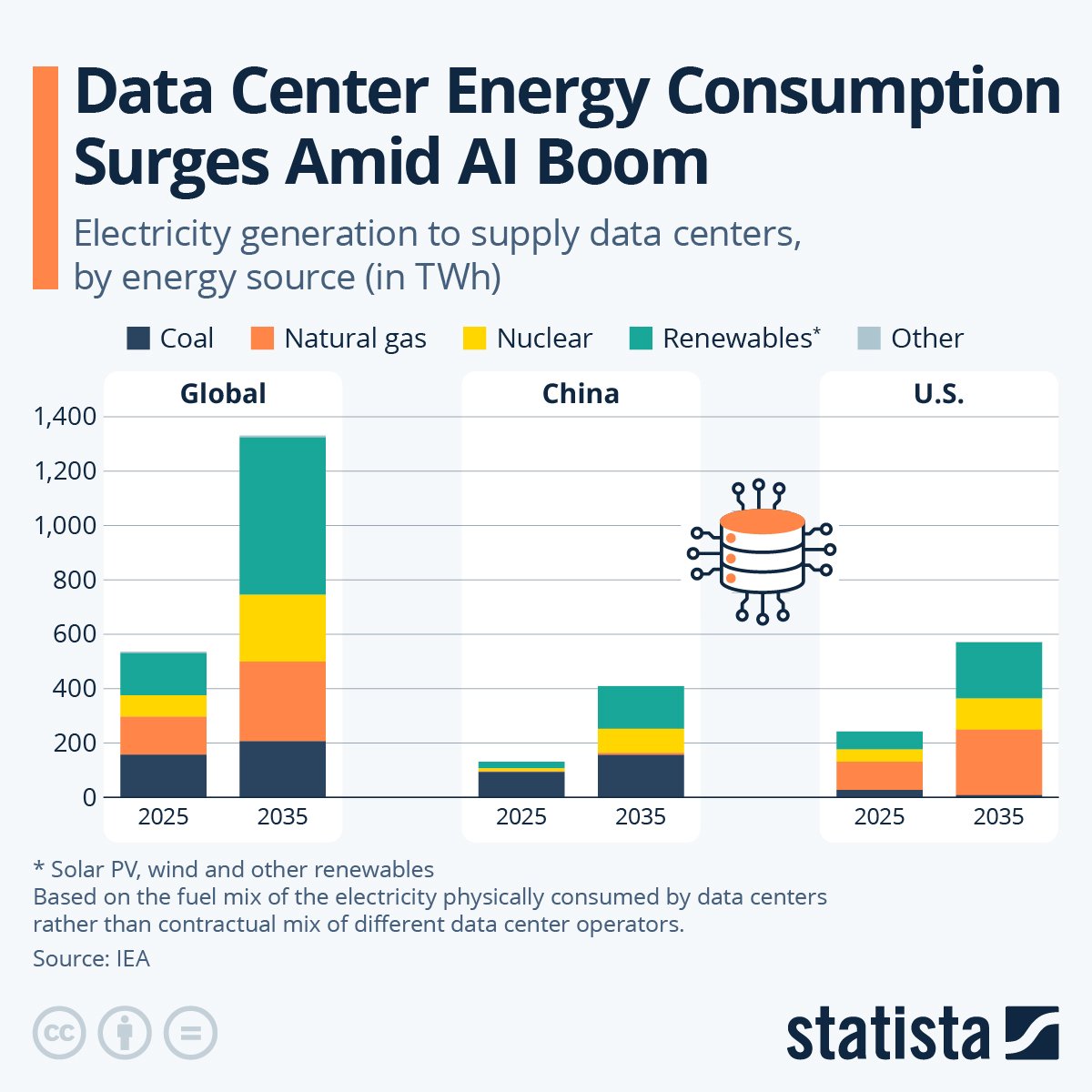
500 Permanent Jobs for $27 Billion
For Richland Parish, the promise is tangible: $875 million already awarded to 160+ Louisiana businesses (84% in Northeast Louisiana), $300 million in local infrastructure investment, and 500+ permanent operational jobs. Local peanut farmer Francis Jordan sees hope: "Having the data center will bring investment and money to help with the roads, the hospital, and the school system, especially right now, when agriculture is in such dire straits."
But 500 permanent jobs for a $27 billion investment works out to $54 million per job created — a ratio that has drawn scrutiny from economists. Construction employment peaks at 5,000 workers but is temporary by nature. Louisiana Economic Development Secretary Susan Bourgeois argues the project "is activating entire ecosystems," pointing to the ripple effects beyond direct hiring.
The AI Energy Debate: A Fight That's Just Getting Started
Meta's announcement landed the same week Senators Bernie Sanders and Alexandria Ocasio-Cortez proposed legislation to ban ALL new AI data center construction, citing electricity bill impacts on ordinary Americans. A Bloomberg analysis projected residential bills could increase up to 276% within a 50-mile radius of similar facilities over five years. In the Mid-Atlantic region, 70% of $9.3 billion in electricity cost increases were already driven by data center demand. Virginia ratepayers alone could face $150–$450 annual increases by 2040.
Whether you see Hyperion as a necessary investment in America's AI future or a cautionary tale about unchecked corporate power consumption may depend on where you sit — literally. For the 2 million homes' worth of electricity being rerouted to train AI models, the question isn't abstract. It's on next month's utility bill.
If you're curious about how AI automation tools work without the massive infrastructure costs, explore our AI automation guides for beginners — many powerful AI capabilities are available through free or low-cost services that don't require building your own power plant.
Related Content — Get Started | Guides | More News
Stay updated on AI news
Simple explanations of the latest AI developments