US AI Data Centers Stall: Supply Chain Crisis Hits 37 GW
50% of 2026 US AI data centers face delays due to transformer shortages. 37 GW of AI infrastructure has no firm completion date — here's what it means for you.
Half of the US data centers scheduled to open in 2026 will be late — or cancelled entirely. The bottleneck in this AI infrastructure supply chain crisis isn't a lack of money, missing chips, or regulatory red tape: it's the circuit breaker sitting in a factory in South Korea that nobody ordered early enough. This matters to anyone using AI automation tools today, because those data centers are the physical backbone of every chatbot, image generator, and AI assistant you depend on.
A 12 Gigawatt Gap in AI Infrastructure — Most of It on Paper
The US was supposed to bring 12 gigawatts (GW) — a unit of power equal to roughly 9 million American homes running simultaneously — of new data center capacity online in 2026. According to analysis by Sightline Climate (a market intelligence firm tracking clean energy infrastructure), only 4 GW, about one-third, is actually under construction right now.
The 2027 pipeline tells an even starker story:
- 21.5 GW announced for 2027 completion
- 6.3 GW currently under construction — less than 30% of what was announced
- 37 GW of planned infrastructure with no firm completion date
- Only 4.5 GW of that 37 GW has even broken ground
The AI industry has announced enough data center capacity to reshape global computing — but the vast majority of it exists only in press releases and investor presentations.
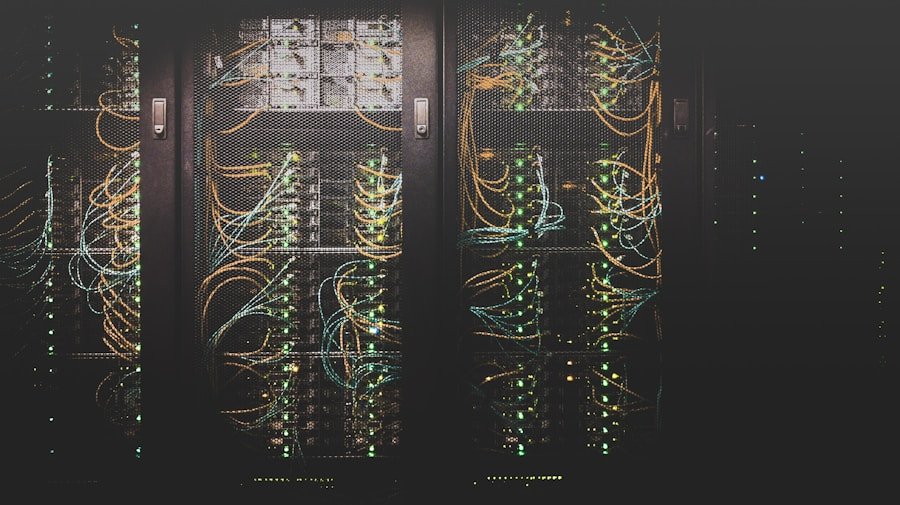
Why a $1,000 Transformer Freezes a $500 Million AI Data Center Project
Here is the counterintuitive truth at the center of this crisis. Electrical components — transformers (step-down devices that convert high-voltage utility power into safe operating voltages for servers), circuit breakers (safety switches that cut power instantly during dangerous surges), and large-format batteries (backup systems that keep servers running during grid outages) — represent less than 10% of total data center construction costs. Yet without them, not a single server rack can go online.
Andrew Likens, energy and infrastructure lead at Crusoe (an AI infrastructure company that designs and builds data centers), described the situation plainly:
"If one piece of your supply chain is delayed, then your whole project can't deliver. It is a pretty wild puzzle at the moment."
These are not commodity parts available on demand. A large power transformer can take 12–24 months to manufacture, test, and ship. Most are produced in factories abroad — in Canada, Mexico, South Korea, and China — requiring transoceanic freight (cargo transport across an ocean) and multi-week customs clearance before arriving on a US construction site. Order one late, and your entire billion-dollar facility waits.
Likens added: "We've seen firsthand the value it can create if you are not hamstrung by electrical infrastructure lead times. They can make or break a project."

Three Hidden Bottlenecks Compounding AI Data Center Delays
Transformers are the headline constraint, but they aren't operating alone. Three additional crises are quietly stacking on top of each other across the industry:
Helium Shortages Slow Commissioning
Helium — the inert gas used to pressure-test cooling system seals and calibrate sensitive fiber optic components during construction — is running short globally. Without helium testing, commissioning (the final certification process required before a facility can go live) can slip by weeks or months per project.
Cash Constraints on Announced AI Investments
Not every announced project has committed financing behind it. Some were announced to secure land options or attract strategic partners, with funding still being assembled. When interest rates stay elevated and venture markets tighten, projects that looked profitable at lower rates quietly stall — while the press release stays live long after work has paused.
Community Opposition and Permitting Delays
Local residents across the US are pushing back against data center construction, citing industrial noise from cooling systems, heavy water consumption, and added strain on local power grids. Permitting battles add months to timelines even for fully funded projects with zero supply chain issues.
What the AI Data Center Crisis Means for the AI Apps You Use Every Day
You may not track gigawatts, but you use tools that run on these delayed facilities. When infrastructure falls behind demand, AI companies face hard choices — and users feel the effects:
- Slower response times during peak hours as existing servers hit capacity limits
- Delayed model releases — training and deploying larger AI models requires more hardware, not just better code
- Price increases for power users and API access as companies manage limited supply against rising demand
- Free-tier throttling — paying enterprise customers get priority when capacity is constrained
The data center supply chain crisis is, in effect, a quiet ceiling on how fast AI can improve in 2026. OpenAI, Anthropic, Google, and Meta have the funding, the talent, and the algorithms — but they're waiting on transformers from South Korea.
If your work depends on AI automation tools, now is the right moment to explore multi-provider AI automation setups that don't rely on a single service. Watch for pricing announcements from your primary AI vendors over the next 12–18 months — those are usually the first public signal that supply pressure is quietly building. Testing backup providers now, while performance is stable, is far smarter than scrambling when slowdowns actually hit. You can also get started with a resilient AI tool stack before capacity constraints force your hand.
Related Content — Get Started | Guides | More News
Sources
Stay updated on AI news
Simple explanations of the latest AI developments