Claude Code Leaked: Anthropic Files 8,000 DMCA Takedowns
Anthropic accidentally leaked Claude Code's full source, then fired 8,000+ DMCA takedowns — and blocked paying users from rival AI coding tool OpenClaw.
Anthropic accidentally published the complete source code for Claude Code — its $200/month enterprise coding tool — and responded by filing over 8,000 copyright takedown notices on GitHub in days. That makes it the most aggressive IP enforcement campaign in recent AI tool history, and it is not working: the internet has already saved copies it will never fully erase.
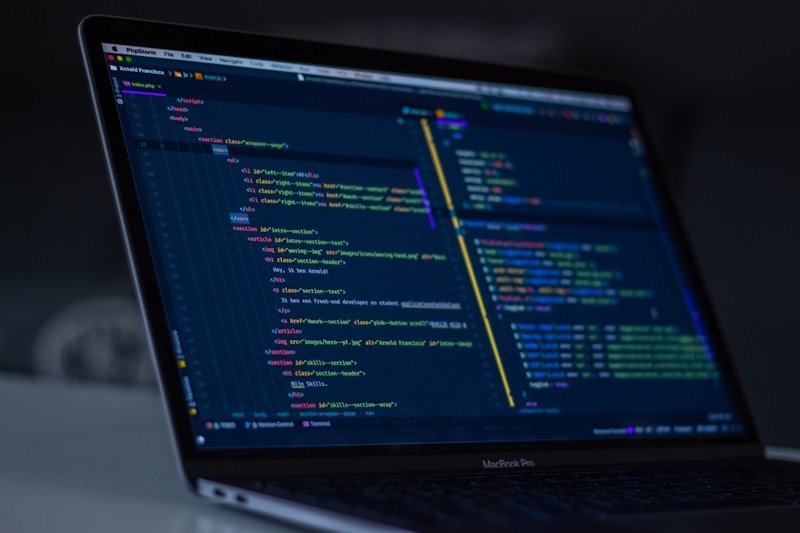
How the Claude Code Leak Happened — and Why It Spread So Fast
Claude Code is Anthropic's premium developer tool — an AI agent (a program that takes multi-step actions on your computer autonomously, such as writing, debugging, and running code) that targets enterprise software teams. It costs $200 per month. When Anthropic accidentally made the full source code (the human-readable instructions that define exactly how the software works) public on GitHub, developers did what they always do: they immediately forked it (copied it to their own GitHub profiles for safekeeping).
Within hours, hundreds of copies scattered across GitHub. Security researchers, competing tool developers, and curious engineers all had access. As Decrypt summarized in a headline: "Anthropic Accidentally Leaked Claude Code's Source — The Internet Is Keeping It Forever." That "forever" is not hyperbole. Distributed copies now live on GitHub mirrors, archive sites, and private servers well outside Anthropic's reach.
The leak was not a minor exposure of documentation or configuration files. It was the complete proprietary codebase of a product Anthropic sells at enterprise scale — the exact instructions that power its most commercially sensitive tool. The speed at which it propagated reflects a basic truth of the internet: once something is public, it stays public.
8,000 DMCA Takedowns — Why the Math Does Not Work
A DMCA (Digital Millennium Copyright Act — a US law that lets copyright holders demand removal of infringing content) takedown notice forces platforms like GitHub to remove specific files. Typically, companies file one per incident. Anthropic filed 8,000+ in what appears to be a bulk automated sweep — software scanning GitHub for every fork (copy) of the leaked repository and queuing removal requests at scale.
But open-source leaks follow a well-documented pattern that makes bulk enforcement largely futile:
- GitHub removes the fork — but the developer already downloaded a local copy before deletion
- Archive.org (the Internet Archive, a nonprofit that permanently caches public web content) preserves copies before they go offline
- Mirrors appear on GitLab, Codeberg, and self-hosted servers beyond GitHub's jurisdiction
- IPFS (a peer-to-peer file storage network with no central server to take down) links circulate across forums and chat groups
- Torrent files spread the full source to thousands of machines simultaneously with no single point of removal
Historical precedent is not encouraging for Anthropic: when Microsoft's Windows NT source code leaked in 2004, the company filed aggressively and failed to prevent permanent distribution. Anthropic's 8,000 takedowns represent the largest enforcement campaign in recent AI tool history — and almost certainly cover a fraction of total copies that now exist. The Decrypt headline says it plainly: the internet is keeping it forever.
OpenClaw Blocked — Paying Customers Get Fewer Choices
Simultaneously with the takedown campaign, Anthropic quietly removed OpenClaw from the list of tools approved for use with Claude Code subscriptions. OpenClaw is an AI coding agent (a competing software that automates coding tasks, similar to Claude Code's core functionality) with Chinese origins that had grown popular among power users wanting more workflow flexibility than Claude Code's native toolset provided.
Anthropic's stated justification: OpenClaw has a documented privilege escalation vulnerability (a security flaw that lets software quietly gain unauthorized administrator-level access to the host machine) on record in the NIST (National Institute of Standards and Technology — the official US government database for known software security flaws) vulnerability registry. That security concern is real and on the record.
But the timing reads as more than coincidence. OpenClaw had already replicated significant Claude Code functionality before the takedowns began — making it a direct competitive threat. The ban affects enterprise subscribers paying $200/month, the exact customers who chose Claude Code expecting professional-grade flexibility. Hacker News (a tech discussion forum widely read by developers and investors) tracked the announcement closely: the OpenClaw blocking thread generated 738 upvotes and 585 comments — unusually high engagement for an IP enforcement story, reflecting genuine frustration from the paying user base.
The 23-Year Linux Vulnerability Found in Claude Code's Leaked Source
The sharpest irony of the week: the leaked source code immediately became a security research tool — used to analyze the very software that leaked it. Within days, researchers discovered that Claude Code had already uncovered a 23-year-old vulnerability in the Linux kernel (the core software that powers most web servers, Android phones, and cloud infrastructure worldwide) — a flaw that every prior security audit had missed entirely.
A critical bug hidden in widely-deployed open-source code for over two decades, found by a proprietary AI tool that then accidentally leaked its own source. Security researchers are now treating the leaked Claude Code codebase as an active audit target — scanning it for additional undisclosed vulnerabilities beyond the Linux finding. The CVSS (a standardized severity scoring system for security flaws, rated 1 to 10) score and full exploitation details of the 23-year-old Linux bug are still being assessed publicly as of this writing.
The episode inverts the usual security-vs-openness argument: Claude Code's proprietary status had kept these findings internal. The leak made them visible — to researchers, and to adversaries simultaneously. Anthropic's "security-first" brand narrative now has a complicated week to explain.
Free AI Coding Tool Alternatives That Still Work Right Now
OpenClaw is gone from Claude Code's approved ecosystem. For developers reassessing their toolset — especially those questioning whether $200/month remains justified — several free and open-source coding tools are fully functional alternatives:
- Goose (by Block, formerly Square's parent company) — open-source, completely free, 26,000+ GitHub stars; directly comparable to Claude Code's core automation features with no subscription required
- Cursor — $20/month with a strong free tier; one of the most widely adopted professional coding tools outside the Anthropic ecosystem
- Continue.dev — fully open-source coding assistant that runs locally with no cloud dependency and no data uploaded to external servers
- Open Interpreter — free, runs entirely on your machine, and lets any AI model control your computer directly for coding and automation tasks
For step-by-step setup guides on each of these tools, the automation guides on this site cover installation and configuration — most take under 10 minutes to get running without any subscription.
The Week That Tested Anthropic's Identity
Anthropic built its public image on being the careful, safety-conscious AI company — more transparent and deliberate than OpenAI or Google DeepMind. This week delivered three simultaneous body blows to that identity: an accidental full source code leak, the most aggressive copyright enforcement in recent AI tool history, and the discovery of a critical 23-year vulnerability hiding inside the leaked code itself.
None of those outcomes were inevitable. A transparent public post-mortem explaining how the leak occurred and what steps Anthropic is taking to prevent recurrence would have reframed the story entirely. Instead, the 8,000 takedowns drew more press attention to the leak than the leak itself did — and the OpenClaw block turned paying customers into critics. If you are currently subscribed to Claude Code at $200/month, now is a practical moment to test whether free alternatives cover your workflow before your next billing date. The leaked source is not going away — and neither are the questions it raised.
Related Content — Get Started | Guides | More News
Stay updated on AI news
Simple explanations of the latest AI developments