AI App vs ICE Surveillance: DEICER Reached 30,000 Users
A fired professor used vibe coding and AI automation to build DEICER — an ICE-tracking app that hit 30,000 users before the DOJ forced Apple to remove it.
AI automation has redefined federal immigration enforcement — ICE uses AI-powered surveillance systems to track, locate, and deport undocumented immigrants. Rafael Concepcion, a former Syracuse University professor and second-generation immigrant, looked at that asymmetry and built the other side of it: DEICER, a counter-surveillance app that reached 30,000 users before the US government forced its removal.
He did it from his electric F-150 pickup truck, parked outside a Home Depot, between midnight and dawn, listening to the Hamilton musical on repeat.
The result: DEICER, an app that let immigrants report ICE activity in real time — with pins on a map, photos, and descriptions of agents at specific locations. It hit 3,000 downloads in its first few days on the App Store and peaked at 30,000 active users. Then the US Department of Justice called Apple and had it removed in 24 hours.
Concepcion lost his professorship over his activism. He received multiple death threats. US Customs and Border Patrol revoked his Global Entry (a trusted traveler program that allows faster re-entry to the US) without explanation or appeal. He is still building.

One Developer vs. AI-Powered Federal Surveillance
To understand why DEICER matters, you need to understand what ICE is deploying on its side. Federal immigration enforcement agencies now use AI-powered surveillance panopticons — an all-seeing monitoring system (the word comes from a 19th-century prison design where one guard could watch every prisoner without being detected) — that aggregate license plate reader data, social media scraping, facial recognition, location history, and financial records to build detailed profiles on undocumented immigrants and their entire networks.
Concepcion, himself the son of immigrants, was not building a competing surveillance system. He was building a warning system — the equivalent of a neighborhood watch, but for people who cannot call the police when they feel threatened by the police.
His first app was simpler: it taught immigrants their constitutional rights when approached by ICE agents. Know your rights, on your phone, in plain language, in real time. But legal education alone was not enough. People also needed situational awareness. They needed to know where ICE was operating right now, in their neighborhood, before they walked out the door.
That insight became DEICER.
Vibe Coding at Midnight in a Parking Lot
Concepcion built DEICER using what practitioners now call "vibe coding" — a rapid development approach where you describe what you want to an AI assistant in plain English and it writes the actual code, letting you iterate through conversation rather than painstaking manual programming.
His two main tools were AI products anyone can use today:
- Cursor — an AI-integrated coding environment (think of it as a text editor where the AI can write entire sections of working code based on your plain-language instructions). You describe what you want; Cursor handles the technical implementation.
- ElevenLabs — an AI voice synthesis platform (a tool that converts typed text into realistic human-sounding speech, used to generate the audio components inside the app).
He did not code at home. He parked outside a Home Depot — deliberately. The day laborers who gathered there every morning were exactly the people he was trying to reach. Working in that space, at those hours, was itself an act of solidarity with his intended users.
"Concepcion did most of his vibe coding between midnight and dawn while parked outside a Home Depot in his electric F-150 pickup."
— Wired
The typical criticism of vibe coding is that it produces fragile, unmaintainable code that falls apart under real-world conditions. Concepcion's story reframes that criticism. For a tool that needed to reach tens of thousands of people in a civil rights emergency, the question is not whether the code is elegant — it is whether it got to the people who needed it before the government shut it down.
DEICER: 3,000 Downloads in Days, 30,000 at Peak
DEICER launched on the Apple App Store and found its audience immediately. Within days: 3,000+ downloads. The core function was direct — users dropped pins on a map marking ICE activity in their area, attached photos, and added descriptions of agents and vehicles. Other users could see the live map and adjust their movements before leaving home.
At peak, DEICER had approximately 30,000 active users — a remarkable figure for an app with no marketing budget, no venture capital, and no engineering team beyond one professor and a small circle of collaborators.
The high engagement was not surprising to anyone who understood the stakes. For undocumented immigrants and their families, DEICER was not a productivity app. It was a safety tool. Knowing where enforcement was operating, in real time, could mean the difference between a family staying together or being permanently separated.
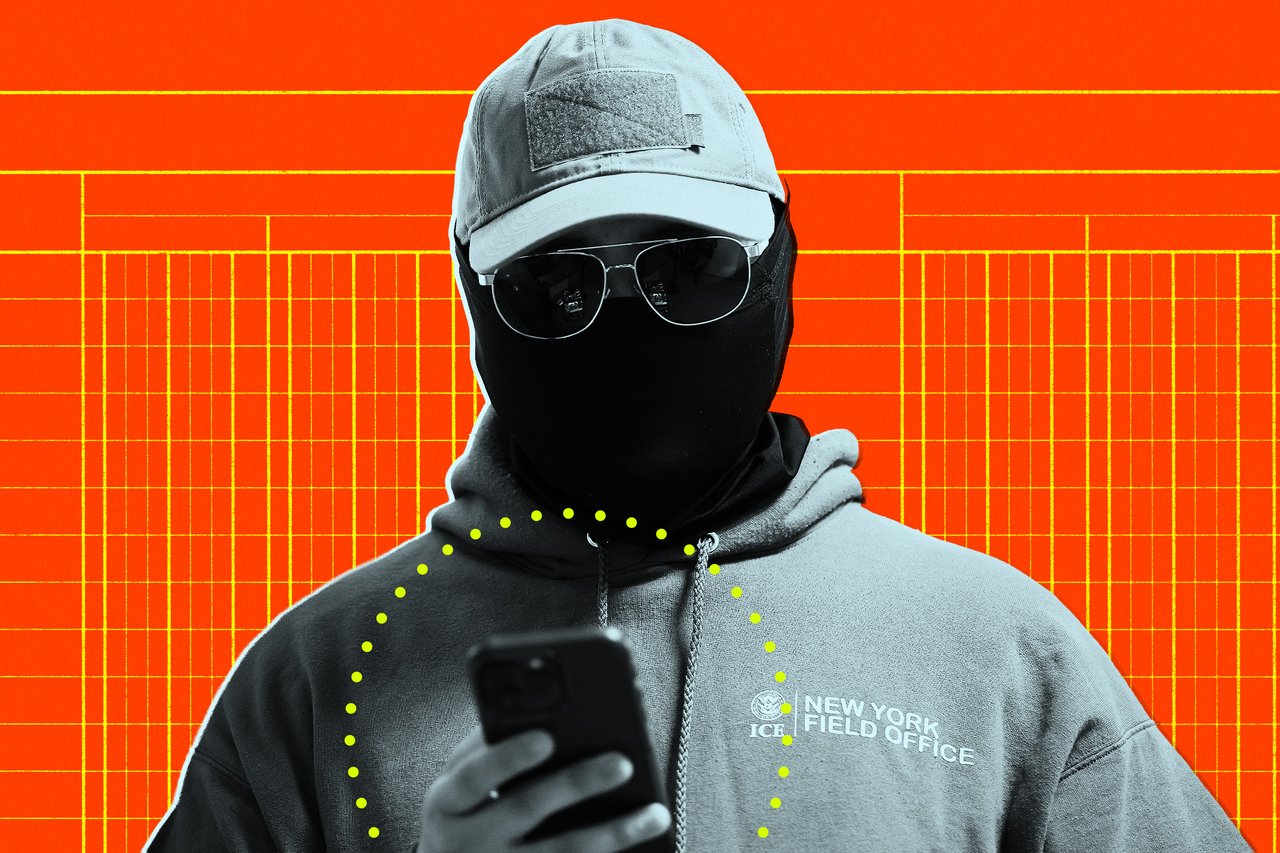
How the Government Responded in 24 Hours
On October 2, the US Department of Justice sent a demand to Apple. The DOJ's position: apps that track the locations of ICE agents "put ICE agents at risk for doing their jobs."
On October 3 — one day later — Apple removed DEICER from the App Store, citing that the app's "purpose is to provide location information about law enforcement officers that can be used to harm such officers individually or as a group."
The 24-hour removal timeline raised immediate questions. Standard App Store enforcement typically takes weeks. A same-day turnaround following a DOJ demand made the government's leverage over major app distribution platforms unusually visible to the public.
Civil liberties attorneys disputed the legal framing. DEICER users were reporting the locations of uniformed federal agents conducting enforcement operations in public spaces. First Amendment protections have historically covered exactly this kind of activity — the same protections that allow journalists to photograph police officers or citizens to document government operations in public.
The Personal Cost: Job, Travel Privileges, Death Threats
The government response went beyond the App Store. DEICER and related projects were hacked by malicious actors. A Fox News story portrayed Concepcion as operating a "shadow network of anti-ICE scouts." US Customs and Border Patrol revoked his Global Entry status without explanation or any offered appeal process.
Most significantly: Concepcion lost his position as a professor at Syracuse University. He had been building these tools on nights and weekends, alongside his academic career. His activism ultimately cost him that career entirely. He also received multiple death threats serious enough that he considered purchasing a bulletproof vest.
OJO Obrero: Rebuilding with AI Automation After the Ban
The App Store removal did not end the project. Concepcion released a web browser version of DEICER — no app download required, accessible from any phone with a browser — and created city-specific versions for communities across the country.
He then partnered with Siembra NC — a North Carolina immigrant rights organization — to build OJO Obrero (Spanish for "Worker's Eye"). The new platform addressed a critical weakness in DEICER's original design: unmoderated user reports had introduced misinformation. False sightings alarmed communities unnecessarily and created confusion. OJO Obrero introduced human verification — trained moderators review reports before they are published to the platform — trading raw speed for greater accuracy and reduced risk from false information.
When asked why he continues after everything he has lost, Concepcion was direct:
"There's just something telling me to try something else, and I can't explain it. If I'm completely honest, I don't want to explain it. I just want to keep going."
— Rafael Concepcion
AI as Both Weapon and Shield
| Factor | ICE | Concepcion |
|---|---|---|
| Technology | AI surveillance panopticon | AI counter-surveillance apps |
| Goal | Track, locate, deport civilians | Protect rights, enable legal defense |
| Resources | Federal agency, billions in budget | One developer + one NGO partner |
| User adoption | Mandatory (federal authority) | Voluntary — 30,000 peak users |
| Distribution | Government mandate | Removed from App Store in 24 hours |
The DOJ's argument deserves scrutiny. ICE's AI surveillance systems track millions of civilians — without consent, often without warrants — as standard operational practice. The agency's claim that an app tracking the public movements of uniformed federal agents in public spaces constitutes a threat to officer safety applies a protection to government agents that is explicitly not extended to the civilians those agents target.
What DEICER and OJO Obrero actually demonstrate is something the AI industry rarely centers in its product announcements: that tools like Cursor and ElevenLabs have become accessible enough that one person with a pickup truck and a consumer laptop can build something that reaches 30,000 people in a civil rights crisis — and forces a federal government response in under 24 hours. That is not a software demo. That is what AI democratization actually looks like when it leaves the conference room.
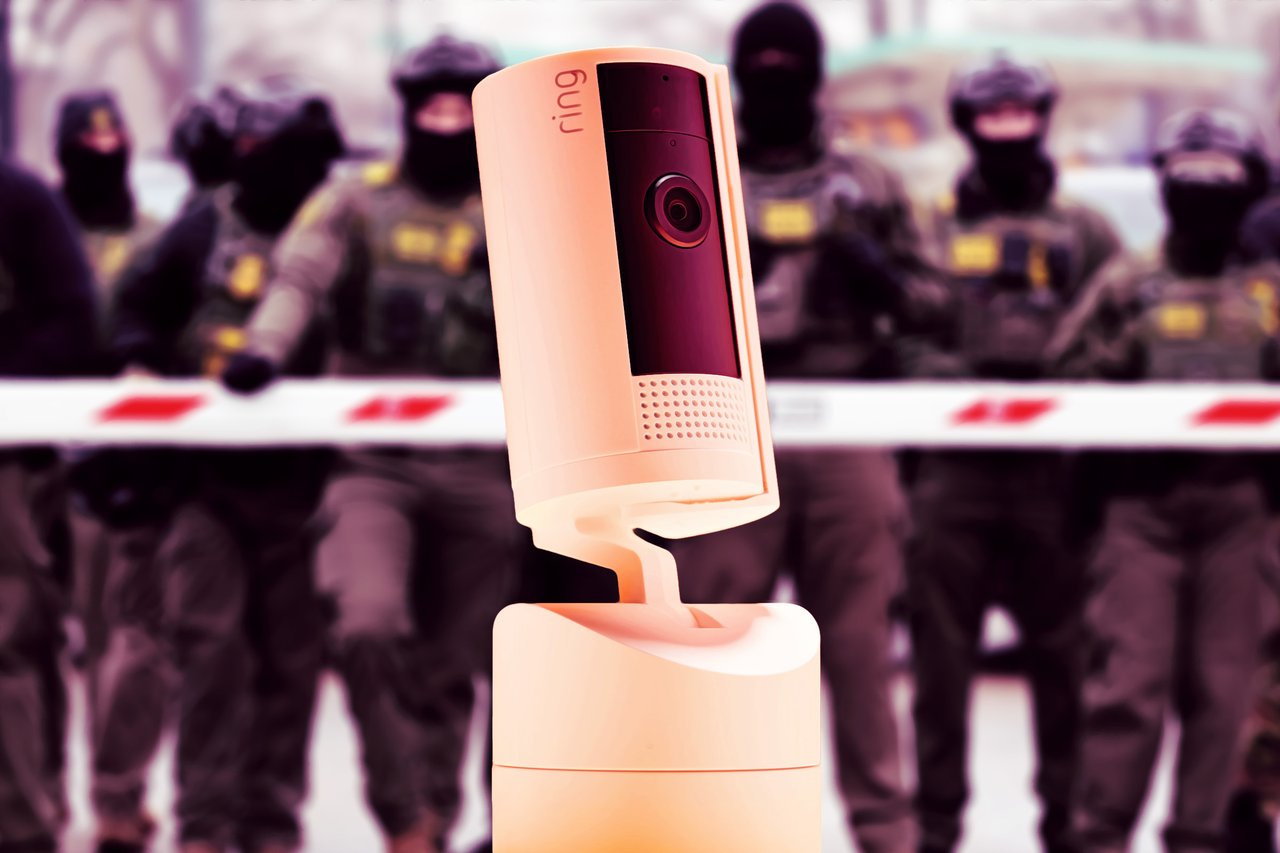
Concepcion's stated mission has not shifted through any of it: "Stop these people from falling off a cliff, stop these people from disappearing." He is still building. Cursor and ElevenLabs — the two AI automation tools that made DEICER possible — are available for anyone to set up and use today.
Related Content — Get Started | Guides | More News
Sources
Stay updated on AI news
Simple explanations of the latest AI developments