Poke AI Agent: Automate Tasks via iMessage, No App
Poke is an AI automation agent inside iMessage — no app needed. Text to book flights, manage email & control smart home. $25M raised, 750K beta messages sent.
AI agents — software that takes actions on your behalf, like booking flights, answering emails, and managing your schedule — have been the tech industry's biggest promise of the past two years. The catch: most of them require developer setup, API keys, and a tolerance for error messages. Poke just fixed that with AI automation. By routing everything through texts you already send — iMessage, SMS, or Telegram — it delivers a fully capable AI personal assistant with zero technical friction.
The $300M Bet: Why AI Automation Belongs in Your Texts
Poke's core insight is simple but radical: the average person checks their phone dozens of times a day to read texts. Nobody is opening a dedicated AI app with the same reflexive frequency. So instead of building another app to compete for attention, CEO Marvin von Hagen (age 23) took the opposite approach — bring the AI entirely to where people already live.
"Users don't want another app," von Hagen said. "They want to text an AI the same way they text their partner, friends, parents, and colleagues."
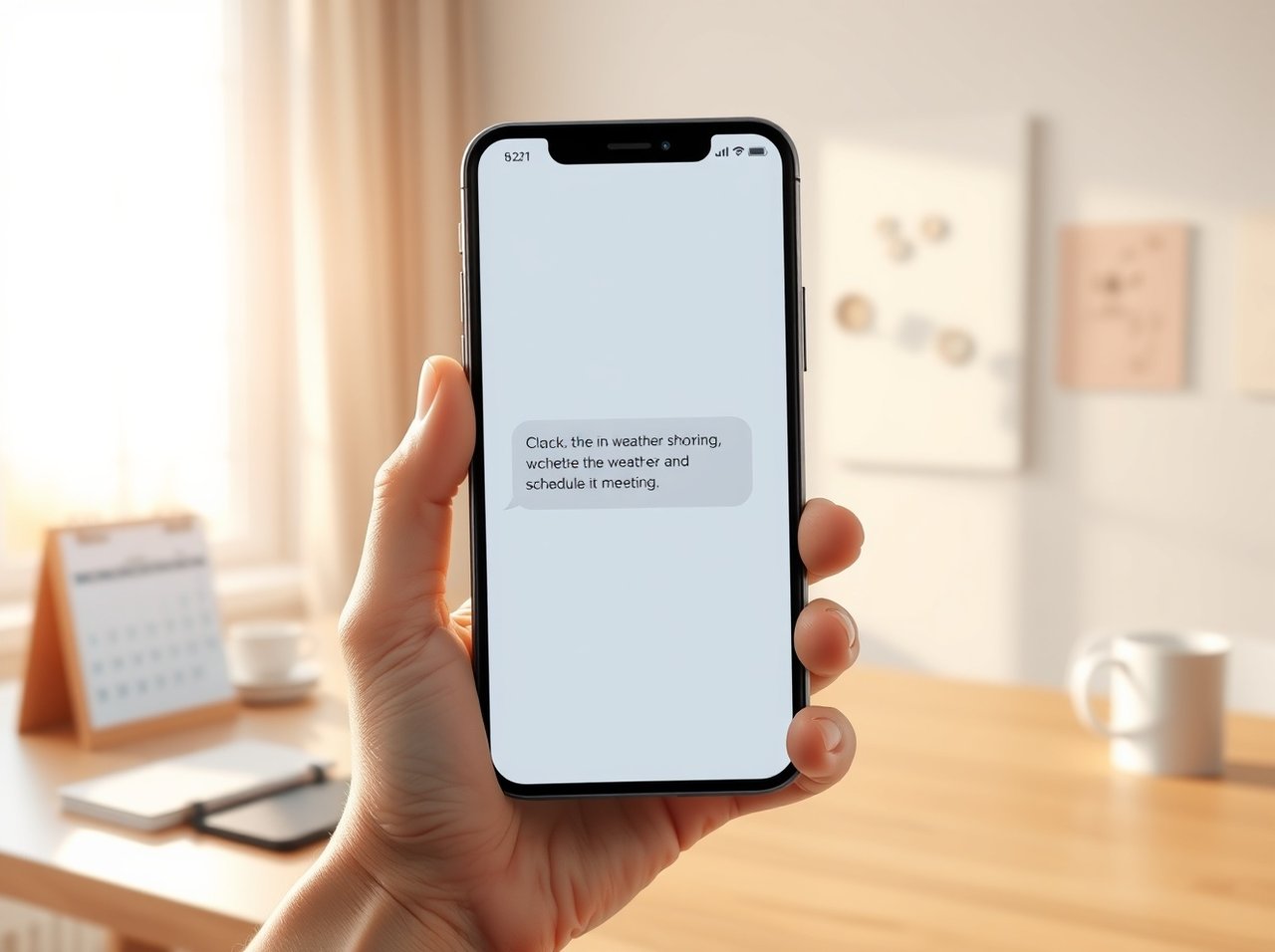
You connect Poke at Poke.com with just your phone number — no download required. Then you text it naturally:
- "Reschedule my 3pm Monday meeting to Wednesday afternoon"
- "Pay the $850 invoice from Acme Design sitting in my inbox"
- "Book me the cheapest flight to New York next Friday"
- "Turn off the living room lights at 11pm every night"
The service connects to Gmail, Google Calendar, Outlook, Notion, Strava, GitHub, Vercel, Philips Hue smart lights, and Sonos speakers — treating your entire digital life as something it can act on. No form-filling, no switching apps, no setup wizard.
Two German Hackers, One Tunneling Machine, and $25M in Funding
The founders' origin story is more dramatic than most startup pitches. Marvin von Hagen and Felix Schlegel (25, CTO) met at a middle school hackathon in Germany. Years later as students at the Technical University of Munich, they co-founded TUM Boring — a 65-person student team that designed and built a 12-meter, 22-ton tunneling machine from scratch, then won Elon Musk's 2021 Not-a-Boring Competition, beating teams from universities globally. Both bring stints at Tesla, Apple, Stanford, and MIT.
They launched a private beta in summer 2025 with roughly 6,000 Silicon Valley insiders from Dropbox, Google, OpenAI, Anthropic, Figma, and Cognition. The results were striking: users exchanged more than 200,000 texts per month with the agent, logging over 750,000 total messages with near-perfect retention rates — meaning once people tried it, they kept using it.
That retention unlocked serious capital. A $15 million seed round at a $100 million valuation came from General Catalyst, Village Global, and Earlybird VC. Then in early 2026, an additional $10 million pushed the post-money valuation to $300 million — a 3× step-up in under a year.
The angel investor list reads like a technology hall of fame: Patrick and John Collison (Stripe founders), Fred Ehrsam (Coinbase co-founder), Scott Wu and Walden Yan (Cognition founders), Guillermo Rauch (Vercel CEO), Logan Kilpatrick (Google DeepMind), Joanne Jang (OpenAI), and Ken Howery — plus, notably, Jake and Logan Paul.

How Poke's AI Agent Works Under the Hood
Poke runs on a multi-agent architecture — a system where multiple specialized AI programs collaborate, with one acting as manager and others as task specialists. Here is what happens when you send a text:
- An Interaction Agent (the "manager") reads your message and determines what needs to happen
- It deploys one or more Execution Agents (the "specialists") to take specific actions — reading your calendar, drafting a reply, querying a booking service
- An AI "bouncer" handles permissions during setup, negotiating account access and building a preference profile that makes Poke smarter over time
Poke does not lock itself to a single AI model. It uses intelligent model selection — routing different tasks to the best available AI provider depending on what is required. Think of it like a general contractor who calls the right specialist for each job rather than doing everything themselves.
You can also build your own automations using "recipes" — pre-set instruction templates (similar to Zapier workflows, which are automated connections between apps, but triggered by a text message instead of a timer or button). Poke even runs a creator economy alongside this: if other users adopt your shared recipe, you earn between $0.10 and $1.00 per signup.
Security credentials are enterprise-grade. Poke holds SOC 2 Type II certification (meaning an independent auditor has verified the company's data security practices) and CASA Tier 2 (a security standard specifically for apps accessing cloud accounts), with regular penetration testing. The company can see email metadata like arrival times and message length, but states it does not read message contents or sell data to third parties.
Pricing, Access, and What Comes Next
Getting started is free for basic tasks. During the beta period, heavier usage ran $10–$30 per month, based on the number of AI-powered actions performed — not a flat subscription. Post-launch pricing is usage-based, meaning occasional users pay very little while power users pay proportionally more.
One telling indicator of market traction: within weeks of public launch, a developer reverse-engineered Poke's system prompts (the hidden instructions that tell the AI how to behave) and published an open-source clone called OpenPoke, featuring similar multi-agent orchestration with Gmail and reminder integrations. Imitation is market validation.
Signups increased 10× in the months leading to April 2026 as word spread beyond Silicon Valley. The company's stated target is 1 billion users — audacious, but not irrational when you consider that SMS and iMessage already reach essentially everyone with a smartphone. If Poke can make the first AI agent experience seamless enough, it does not need to win a developer audience. It needs to win the same people who learned Uber before they ever booked a taxi online.
Why the Timing Is Right for AI Automation Agents
The same week Poke landed on TechCrunch, the AI agent ecosystem produced a wave of competing announcements: LangChain (a developer tool for building AI workflows) launched self-healing agents with access to 7,500+ integrations; Atlassian added AI agents to Confluence (its team wiki platform); the Databricks co-founder claimed publicly that "AGI is already here." The industry is clearly shifting from "can we build capable AI?" to "how do we make it usable by everyone?"
Two distinct markets are solidifying:
- Developer-facing platforms (LangChain, Arcade, Freestyle) — maximum flexibility, requires coding knowledge, targets engineers building AI products
- Consumer-facing simplicity plays (Poke, and likely many imitators) — zero technical friction, targets non-technical users who just want things done
Poke is the most concrete answer to the second category heading into mid-2026. If you want to try it now, you can sign up at Poke.com — no app install, no API key, no prompt engineering required. You already know how to use the interface. You have been using it since you got your first phone.
Learn more about getting started with AI agents on our beginner guides, or explore more AI news from this week.
Related Content — Get Started | Guides | More News
Stay updated on AI news
Simple explanations of the latest AI developments