AI at Work: Gallup Finds 50% Adoption, 8 Hours Lost Weekly
Gallup poll reveals 50% of US workers now use AI at work — but lose a full workday weekly to tool friction. The hidden cost driving the real productivity gap.
One in two US workers now opens an AI tool before their first cup of coffee. But the same Gallup research that confirms AI's mainstream arrival in American workplaces reveals an uncomfortable parallel truth: those same workers are losing 8 hours every week — a full workday — navigating the friction those tools create.
The findings, published April 15, 2026, mark a turning point in how we should be measuring AI's impact on work. The headline number — 50% adoption — is the story companies want told. The 8-hour figure is the one their workers are living.
AI at Work Hits 50%: What Mainstream Adoption Actually Looks Like
Half of US employees now report using AI tools as part of their regular work routine. That threshold arrived faster than most workforce analysts predicted. Eighteen months ago, AI usage at work was concentrated in specific sectors: software development, content marketing, data analysis. Today, Gallup's data suggests it has crossed into general office work, customer service, operations, and management roles.
The tools driving this adoption span everything from ChatGPT (OpenAI's conversational AI assistant) and Claude (Anthropic's writing and reasoning tool) to Microsoft Copilot (the AI layer built natively into Word, Excel, and Teams) and dozens of specialized vertical tools. For workers in most industries, AI is no longer optional or experimental — it's showing up in team workflows whether individuals choose it or not.
That breadth is precisely why the second number matters so much.
The 8-Hour AI Productivity Problem Nobody Is Announcing
Gallup's research identifies a quantifiable cost buried inside the adoption story: workers are losing approximately 8 hours per week to AI-related friction. To put that number in context:
- 8 hours represents 20% of a standard 40-hour work week
- Over 50 working weeks, that adds up to 400 hours per employee per year
- For a team of 10, that's 4,000 hours annually — roughly the output of 2 full-time workers, evaporated into switching costs and re-prompting loops
The friction comes from multiple directions. Tool proliferation (when a company deploys too many overlapping AI products without a coordinated strategy) forces workers to decide which tool to use for each task, then manually move outputs between them. Prompt iteration — the process of rewriting instructions to an AI until it produces something usable — consumes significant time when workers haven't received formal training. Output verification (checking AI-generated content for accuracy before using it professionally) has become an invisible second job for workers in high-stakes fields like legal, finance, and healthcare.
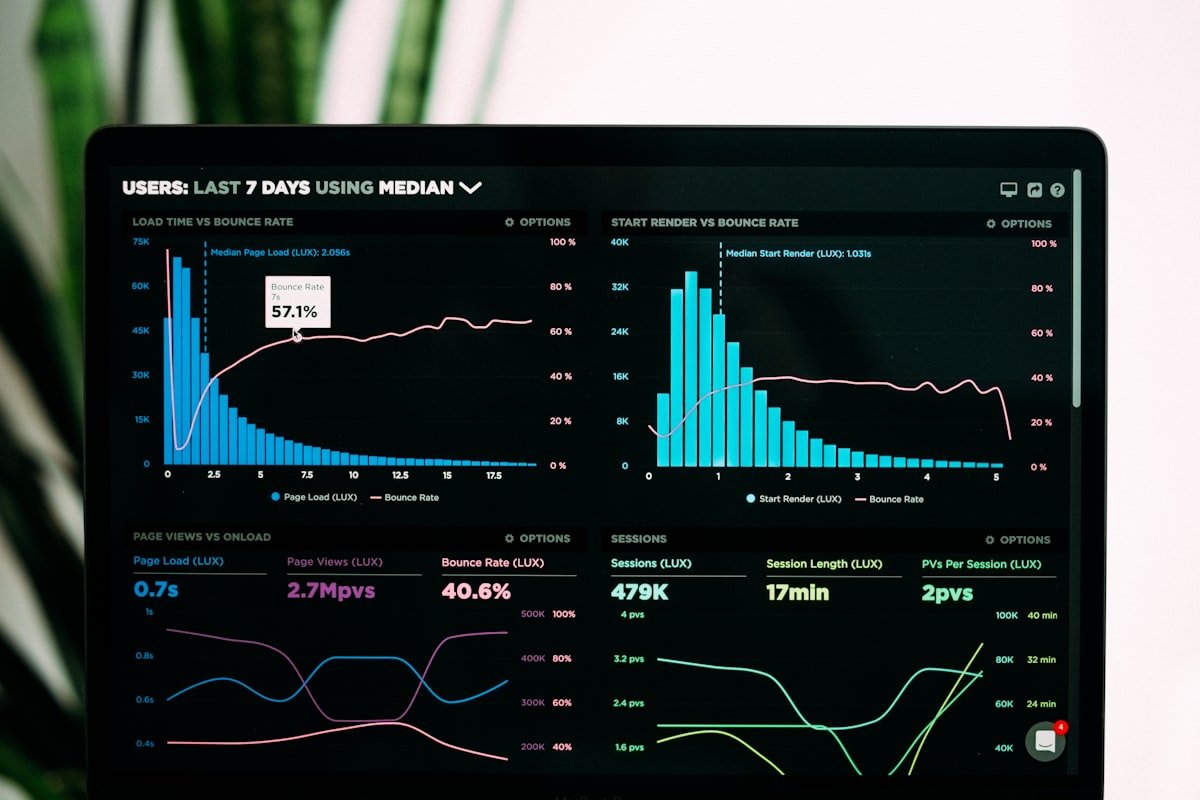
The productivity paradox becomes clear when you set Gallup's numbers against the corporate narrative. Microsoft has reported that AI tools are delivering the equivalent of "5 years of productivity gains" in compressed timeframes — measuring output volume: documents written, code committed, emails processed. Gallup measured something different: how workers actually experience their work week. Output volume and lived experience can move in opposite directions simultaneously, and the data suggests they currently are.
Why Implementation Friction Outpaces Tool Quality
The 8-hour loss isn't primarily a technology problem — it's a deployment problem. Three structural gaps explain most of it:
No AI Prompting Training at Scale
Prompting (the skill of writing instructions that reliably get useful results from an AI model) is a learnable craft that varies dramatically between trained and untrained users. Most companies have purchased AI subscriptions without investing in prompt literacy programs, leaving workers to learn — on company time — through expensive trial and error. The same task that takes an untrained user four re-prompting rounds often takes a practiced prompter a single well-structured request.
Too Many AI Tools, Too Little Integration
The average enterprise knowledge worker now has access to multiple AI tools across their daily workflow — an AI in their email client, one in their writing tool, another in their project management system, and perhaps a standalone chat assistant they prefer. Without a unified workflow (a single coherent process that connects these tools together and defines when each is used), switching overhead accumulates invisibly across dozens of small decisions each day.
Verification Anxiety Without a System
AI hallucination (when an AI model generates confident-sounding but factually incorrect information) is a real and documented risk. Workers in accuracy-sensitive roles have developed habits of manual verification that are rational but time-expensive. The problem isn't that they're checking — it's that most teams haven't built structured verification into their workflows, so checking happens anxiously and repeatedly rather than once, deliberately.

Enterprise vs. Individual: Where the AI Hours Go Differently
The 8-hour loss isn't experienced uniformly across roles. Gallup's data suggests distinctly different friction patterns depending on your work context:
- Enterprise workers with IT-managed AI stacks tend to lose hours to access restrictions, compliance approval workflows, and corporate security layers added on top of AI tools — friction created by caution, not incompetence
- Individual contributors using personal AI subscriptions tend to lose hours to tool-switching and inconsistent output quality when using different tools for similar tasks
- Knowledge workers (professionals whose primary output is analysis, writing, or expertise-based judgment — lawyers, analysts, consultants, researchers) show both the highest AI adoption rates and the highest friction, because the tasks they use AI for most heavily are also the ones demanding the most verification
The contrast is particularly sharp for managers. They're often the ones mandating AI adoption across their teams while simultaneously navigating the most complex verification requirements for their own outputs — making the friction tax higher for the people with the least time to absorb it.
Three Moves That Recover Lost AI Work Hours
The Gallup findings arrive as companies make Q2 and Q3 AI budget decisions. The data points toward three interventions that deliver more value than purchasing additional tools:
Consolidate before expanding. Companies with fewer, well-integrated AI tools report less weekly friction than those with many tools poorly connected to each other. If your team uses 5 or more AI products, the ROI question isn't "which 6th tool should we add?" — it's "which of these 5 do people actually open daily, and which 3 can we remove?" Our AI automation setup guide walks through exactly this audit.
Invest in prompt literacy. A structured prompting course — even a half-day internal workshop — can dramatically cut the re-prompt cycles eating into weekly hours. Training one person as an internal "prompt champion" who coaches colleagues has shown measurable friction reduction in teams that have tried it. This is one of the highest-ROI AI investments available right now, and one of the most chronically underfunded.
Build verification in, not on top. Rather than leaving individual workers to decide when and how to fact-check AI outputs, teams that define clear verification steps within their workflows see significantly less anxiety-driven over-checking. The goal is one deliberate quality review per output — not ten nervous spot-checks scattered through the day.
The Real AI Productivity Opportunity Inside the 8-Hour Gap
The Gallup data lands as both a warning and a map. The warning: unsupported AI adoption creates friction costs as real as the productivity gains it promises to deliver. The map: unlike vague concerns about "AI disruption," 8 hours per worker per week is a specific, measurable number — one you can actually move.
If you're navigating this personally, start with a simple audit: which AI tools do you open more than twice a week, and which do you open once, get frustrated with, and abandon? For most workers, 2–3 tools deliver the majority of actual value. Committing to those — and learning them deeply — is typically more productive than maintaining 6 subscriptions you half-understand.
The AI adoption story is real and accelerating. Half the US workforce is already there. The next chapter isn't about convincing more people to start — it's about making sure the 50% who already have don't spend a full workday every week paying a friction tax for the privilege.
Related Content — AI Setup Guide | Guides | More AI News
Sources
Stay updated on AI news
Simple explanations of the latest AI developments