Railway Cuts AWS Cloud Costs 87%: $15K to $1K/Month
Railway raised $100M as teams slash AWS bills by 87%—one company: $15K to $1K/month. Goose offers free offline AI coding with no rate limits or subscription.
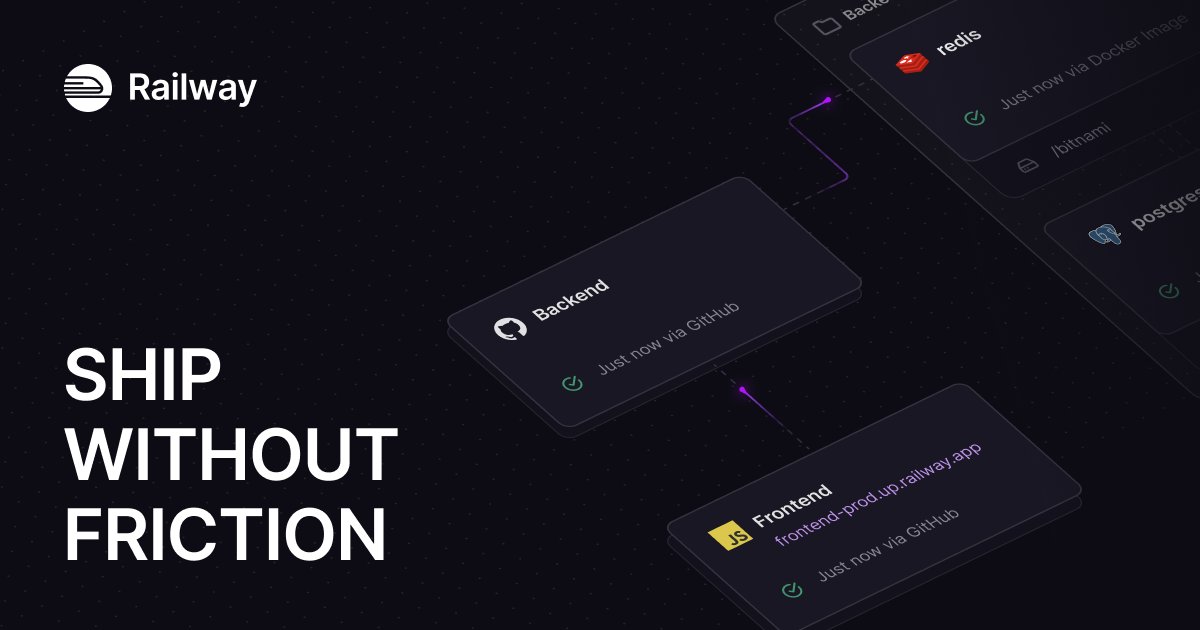
A 30-person team called Railway just raised $100 million — and their customers are cutting cloud bills by 87%. That number is real: one company went from paying $15,000 per month to $1,000 per month, simply by switching how they deploy code. The timing matters: AI automation tools are flooding engineering pipelines with more software than human developers ever produced, and the old deployment infrastructure was never built to handle it.
Tools like Claude Code and Block's free offline alternative Goose are accelerating code output through vibe coding and AI automation. But the place where that code runs — AWS, Google Cloud, Azure — was designed for human-paced workflows, not AI agents pushing commits every few seconds. Railway's $100M Series B (a growth-stage funding round led by TQ Ventures) is a direct bet that traditional cloud infrastructure is about to become the biggest bottleneck in software development.
The Real Cost of "Just Using AWS"
Rafael Garcia didn't understand how much his old cloud setup was costing him until he left it. As CTO at Clever — an education technology company that sold for $500 million — he had six full-time engineers assigned exclusively to managing AWS. Not building product. Not shipping features. Just keeping the infrastructure running: monitoring dashboards, patching configurations, keeping deployments from failing. After switching to Railway, his headcount math changed entirely. "Now I have six engineers total, and they all focus on product," he said.
Daniel Lobaton, CTO at G2X, tells the same story in dollars. His monthly AWS bill: $15,000. After switching to Railway: $1,000. An 87% reduction — without cutting any actual functionality. "The work that used to take me a week on our previous infrastructure, I can do in Railway in like a day," Lobaton said.
Here is why the savings are possible. Traditional AWS pricing bundles in complexity costs that accumulate invisibly:
- Reserved instances — pre-paying for compute capacity you may or may not fully use
- Egress fees — charges for data leaving the cloud, often invisible until the monthly bill arrives
- Terraform overhead — an infrastructure configuration tool that requires dedicated engineers to write and maintain thousands of lines of config files
- CI/CD pipeline latency — automated test-and-deploy chains (the pipeline that runs tests before pushing code live) that add 2 to 3 minutes per deployment
Railway charges $0.00000386/GB-second for memory, $0.00000772/vCPU-second for compute, and $0.00000006/GB-second for storage. You pay for fractions of a second of actual usage — no pre-payment, no waste, no surprise transfer fees at month-end.
30 Engineers, $100M, and a Sub-1-Second Deploy
Railway's funding round is unusual because the company did not need it. CEO Jake Cooper was direct: "We're default alive; there's no reason for us to raise money. We raised because we see a massive opportunity to accelerate, not because we needed to survive." That is a rare admission in venture fundraising — and it is backed by numbers that justify the confidence.
Railway's current metrics:
- 2 million developers on the platform, acquired entirely through word-of-mouth with zero marketing spend
- 3.5x revenue growth year-over-year, with 15% month-over-month expansion
- 31% of Fortune 500 companies using Railway in some capacity
- 10 million deployments per month processed across its global network
- 1+ trillion requests served via Railway's edge network (servers distributed geographically close to end users)
- 30 employees generating tens of millions in annual revenue — one of the most capital-efficient infrastructure companies ever built
In 2024, Railway made a counterintuitive move: it abandoned Google Cloud and built its own data centers. This vertical integration (owning the entire stack from physical hardware to the software layer developers interact with) is what enables deployments in under 1 second. Compare that to the standard 2 to 3 minutes with Terraform-based cloud workflows, and you understand why Cooper frames it in terms of AI: "When godly intelligence is on tap and can solve any problem in three seconds, those amalgamations of systems become bottlenecks."
Goose: The Free AI Coding Tool Running on 26,000 Laptops
The deployment problem is only half the story. On the code-writing side, a free offline alternative to Claude Code has quietly grown to 26,100+ GitHub stars with 362 contributors. Goose — built by Block (formerly Square, the fintech company behind Cash App, founded by Jack Dorsey) — does what Claude Code does, at zero cost, with a fundamental difference: it runs entirely on your local machine.
Claude Code costs $20 to $200 per month and routes all requests through Anthropic's cloud servers, with rate limits that reset every 5 hours. Goose has no rate limits because nothing leaves your computer. "Your data stays with you, period," said Parth Sareen, a contributing engineer on the project. No subscription renewal. No usage cap. No data sent to external servers.
Claude Code vs. Goose — feature comparison
| Feature | Claude Code | Goose (free) |
|---|---|---|
| Monthly cost | $20–$200 | $0 |
| Works offline | No | Yes — airplane-safe |
| Rate limits | Yes (resets every 5 hours) | None |
| Data privacy | Cloud-routed | Local only |
| Open-source contributors | Anthropic team only | 362 community contributors |
To try Goose on your machine right now:
# Clone from GitHub — no account or API key required
git clone https://github.com/block/goose.git
cd goose
# Follow the README for OS-specific setup
# No credit card, no subscription, no cloud dependency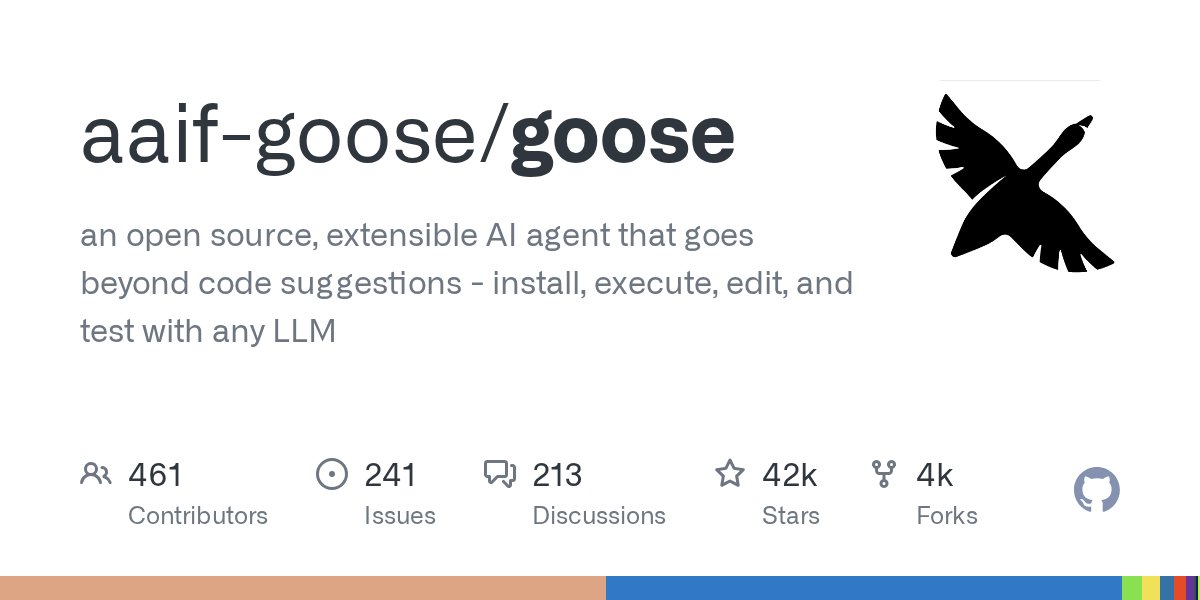
The Stack Built for a World With 1,000x More Software
Cooper's forecast is striking: "The amount of software that's going to come online over the next five years is unfathomable compared to what existed before — we're talking a thousand times more software." That prediction is what drives Railway's $100M deployment strategy. If AI coding agents write code 10x faster than humans — and Railway already reports a 10x increase in developer velocity (how quickly engineers can ship and iterate on features) among its customers — then deployment infrastructure must scale at the same speed or become the new ceiling.
For developers and engineering leads, this is a practical two-part cost audit. First, your cloud bill: if you are running on AWS or Google Cloud without a modern deployment layer, there is a reasonable chance you are paying for complexity rather than capacity. G2X's 87% reduction on a $15,000 bill is dramatic, but even a 40 to 50% cut on a typical startup's $3,000 to $5,000 monthly spend is meaningful. Railway's CLI makes it easy to test:
# Install the Railway command-line tool
npm install -g @railway/cli

# Connect your account and initialize a project
railway login
railway init

# Deploy your project — target: under 1 second
railway up
Second, review your AI coding tool subscription: if Claude Code's $200/month ceiling feels steep, Goose runs on your laptop with no rate limits and no data leaving your machine. Both tools address the same developer problem — write more code, faster — at very different price points.
The risk to watch: Railway's proprietary data center strategy could face pressure if Amazon or Google drop hyperscaler (large-scale cloud providers like AWS and Google Cloud) pricing aggressively. Both companies have what Cooper calls "mammoths pools of cash coming from legacy revenue streams" to wage a price war, and Railway's 30-person team would be outgunned in a sustained margin battle. But for now, the speed and cost data favor the lean team — and 2 million developers have already voted with their deploys. Watch for Railway to expand its Fortune 500 footprint aggressively with the $100M in hand.
Related Content — Get Started | Guides | More News
Stay updated on AI news
Simple explanations of the latest AI developments