Netflix AI VFX Deal: Artists Fight Back Against Automation
Netflix's AI deal with Interpositive automates VFX work — threatening artists in India, UK, and the US. Who's at risk and what workers can do now.
Netflix has signed an AI automation deal with Interpositive — a technology automating visual effects (VFX) pipelines — marking one of the clearest signals yet that AI is replacing entire production stages, not just assisting artists. For studios in Mumbai, London, and Vancouver, this deal is not a distant threat. It is the contract renewal they have been dreading.
How Interpositive AI Automates the VFX Pipeline
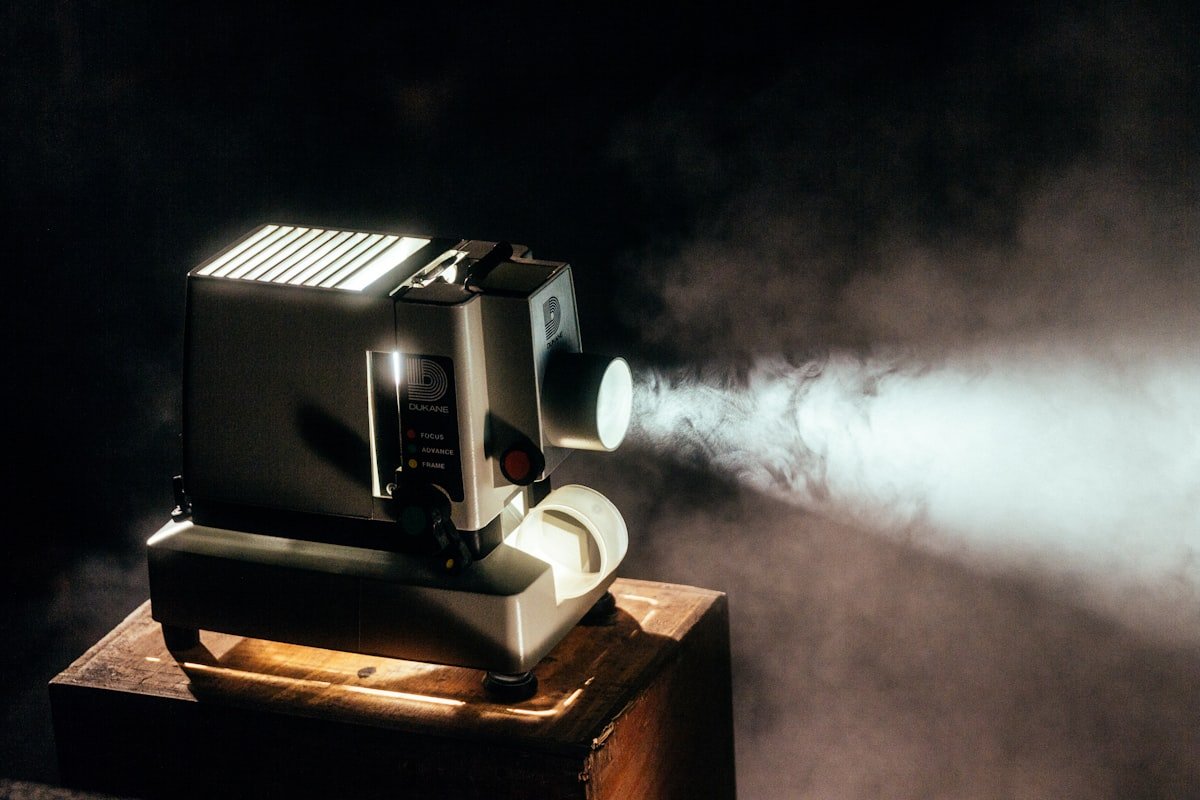
The term interpositive comes from traditional film production. In photochemical filmmaking, an interpositive is a high-quality color-correct copy of a negative, created to preserve detail during editing and post-production. It sits in the middle of the production chain — between the raw camera original and the final release print — touching everything that follows.
In the context of AI, naming a tool "Interpositive" is a deliberate signal: software designed to insert itself into the middle of an existing production pipeline and automate the transitions between creative stages. Based on Netflix's content strategy and broader industry trends, the primary workflow targets include:
- Rotoscoping — the frame-by-frame isolation of actors or objects from their backgrounds. Large teams of 20–50 artists per feature film perform this work, typically at outsourcing studios in India and Southeast Asia.
- Compositing — layering digital elements (CGI explosions, weather effects, crowd simulations) onto live-action footage. A single blockbuster production can employ 30–100 compositing artists for months.
- Background plate generation — creating photorealistic environments that actors appear to inhabit. AI tools like Runway ML can now generate convincing backgrounds in hours, replacing work that previously took weeks of rendering.
- Color grading passes — the multi-stage process of ensuring color consistency across hundreds of shots. Increasingly automated by tools embedded directly in editing software.
Netflix's content budget exceeded $17 billion in 2024 — making the company one of the largest single buyers of VFX work on the planet. When Netflix commits to AI-driven VFX automation even partially, the downstream impact on its global supply chain of studios and freelancers is immediate.
VFX Artists and AI Automation: Who Absorbs the First Wave
The global VFX industry employs an estimated 250,000 people, but that workforce is not evenly distributed or equally protected. Three factors determine who loses contracts first when a platform like Netflix signs an AI automation deal:
1. Contract vs. full-time status. The majority of VFX artists worldwide are freelancers or short-term contractors. Unlike full-time employees, they have no severance rights when a studio shifts their workflow to AI. Their contracts simply are not renewed.
2. Geographic outsourcing concentration. The bulk of lower-level VFX work — rotoscoping, cleanup, basic compositing — has been outsourced over the past two decades to studios in India (primarily Hyderabad and Mumbai), the Philippines, Ukraine, and parts of Eastern Europe. These workers earn significantly less than their UK or US counterparts, making them the first target for cost-cutting, while lacking the union protections available to North American and Western European artists.
3. Task type. Repetitive, rule-based VFX work — removing a microphone from frame 1,423; extending a background by 40 pixels — is exactly what AI handles best. Creative supervision, art direction, and the judgment calls that define a film's visual language remain harder to automate. For now.
The Rest of World article, published April 20, 2026, was authored by Indranil Ghosh — a journalist who covers the intersection of global technology and labor markets, with a particular focus on South and Southeast Asia. His byline on this story is a clear signal that the impact on Indian VFX studios is central to the narrative. India's VFX sector has grown substantially over the past decade, with studios in Mumbai and Hyderabad serving Netflix, Disney, Marvel, and other Hollywood clients directly.
Voice Actors Fought This Battle First — Now VFX Is Next
In April 2026, Rest of World published a companion piece: "Voice actors fight to save their livelihoods and local cultures from Hollywood's AI push." The parallel is instructive. Voice actors entered the same sequence VFX workers are now facing:
- A major platform begins experimenting with AI-generated voices for secondary characters and dubbing
- Studios discover AI dubbing is dramatically cheaper and faster than hiring local voice talent
- Contracts for voice actors in non-English markets — Brazil, Germany, India, Japan — dry up first
- Resistance organizes: artists, unions, and cultural advocates argue that local voices and cultural authenticity cannot be replicated by AI
- Regulatory pressure and public backlash force partial concessions — but the AI pipeline is already in place
For VFX workers, the situation is structurally similar but in some ways harder to fight. Voice acting has a cultural dimension — audiences notice when dubbing sounds unnatural. VFX work is largely invisible to audiences by design. Nobody protests a crowd simulation that was generated by AI rather than hand-rotoscoped. That invisibility makes it easier for studios to replace the workforce behind it with very little public accountability.
The SAG-AFTRA and WGA strikes of 2023 won explicit AI restrictions for actors and writers — a meaningful precedent. But VFX workers, who are largely represented by IATSE (the International Alliance of Theatrical Stage Employees), face a more fragmented global situation. Many VFX artists in India and Southeast Asia work entirely outside US union protections.
What VFX Artists Can Actually Do Right Now
The Netflix/Interpositive deal is not the end of VFX as a profession. It is a structural acceleration. If you work in visual effects — or manage a studio that does — here is where the protective levers are:
- IATSE's AI negotiations. The International Alliance of Theatrical Stage Employees has been actively building AI-use provisions into contracts since the 2023 strikes. Follow and support their work at iatse.net. If you are not yet a member, the protections that come with representation are now directly relevant to your employment terms.
- Specialize in direction, not execution. AI handles repetitive execution well. Art direction, shot design, and the creative decisions that define a film's visual language remain much harder to automate. Artists who can articulate why a scene looks the way it does — and defend that judgment with a director — will outlast those focused purely on technical throughput.
- Learn the AI tools before they replace you. Runway ML, Stable Video Diffusion, and Nuke's AI extensions are already running in production pipelines. Studios signing AI deals still need people who understand what the AI is doing, where it is failing, and how to fix it. That is a skilled role — but it requires knowing both the old pipeline and the new one. The AI automation guides at aiforautomation.io offer a practical starting point.
- Watch IATSE's next contract round closely. The terms negotiated over the next 12–18 months will define who works in visual effects for the next decade. This is not background industry news — it is the contract governing your career.
Netflix's deal with Interpositive is a signal, not an endpoint. The window for organizing, upskilling, and making the case for the irreplaceable value of skilled VFX artists is open right now — and it will not stay open. VFX artists in India, the UK, and the US have a narrow window to shape what comes next before the AI pipeline locks the new terms in permanently. Watch this space.
Related Content — Get Started | Guides | More News
Stay updated on AI news
Simple explanations of the latest AI developments