CBP Anduril AI Tower Refuses Residential Surveillance Limits
CBP rejected every contractual privacy limit on its Anduril AI surveillance tower in San Clemente—75 miles from the border, watching 62,000 residents. 1,500...
A federal surveillance tower designed to watch coastal waters is being planned 75 miles inland — and the agency behind it refused to sign any contract limiting its ability to track residents in their own neighborhoods. This is the reality arriving in San Clemente, California, a city of 62,000 people, through U.S. Customs and Border Protection (CBP)'s partnership with Anduril Industries, a defense technology company.
The Electronic Frontier Foundation (EFF) — a nonprofit that defends digital rights in courts and legislatures — is fighting the installation and documenting a broader pattern: AI-powered surveillance expanding far beyond any defensible definition of border security, one lease agreement at a time.
The AI Surveillance Tower That Claims to Watch the Ocean
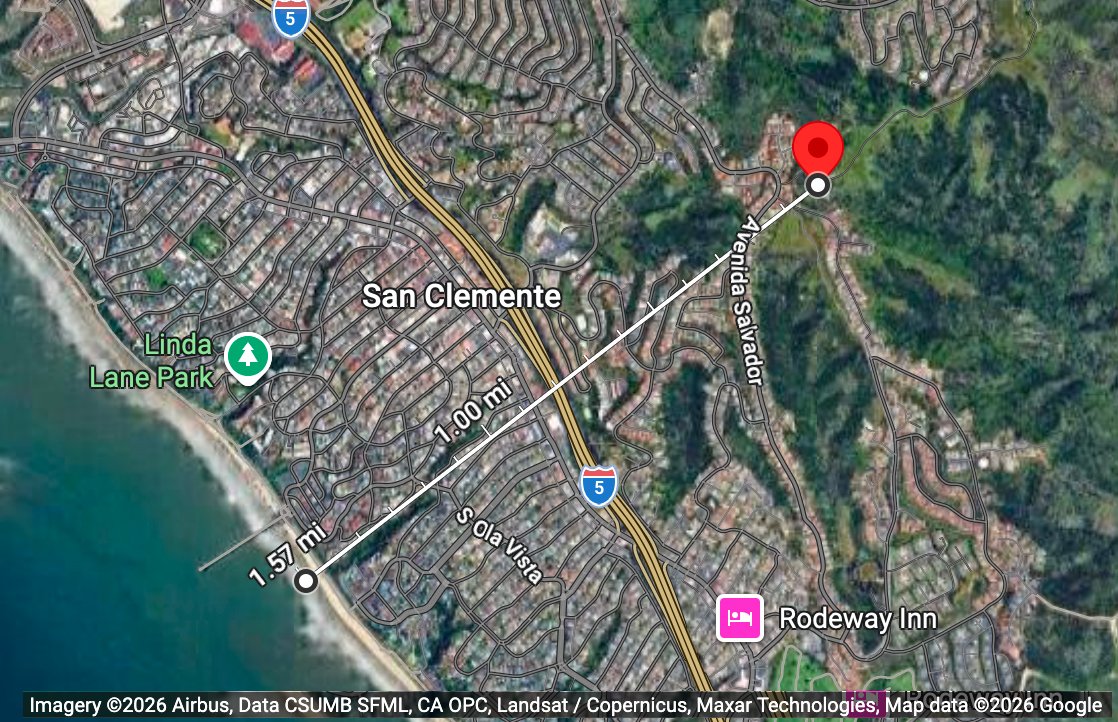
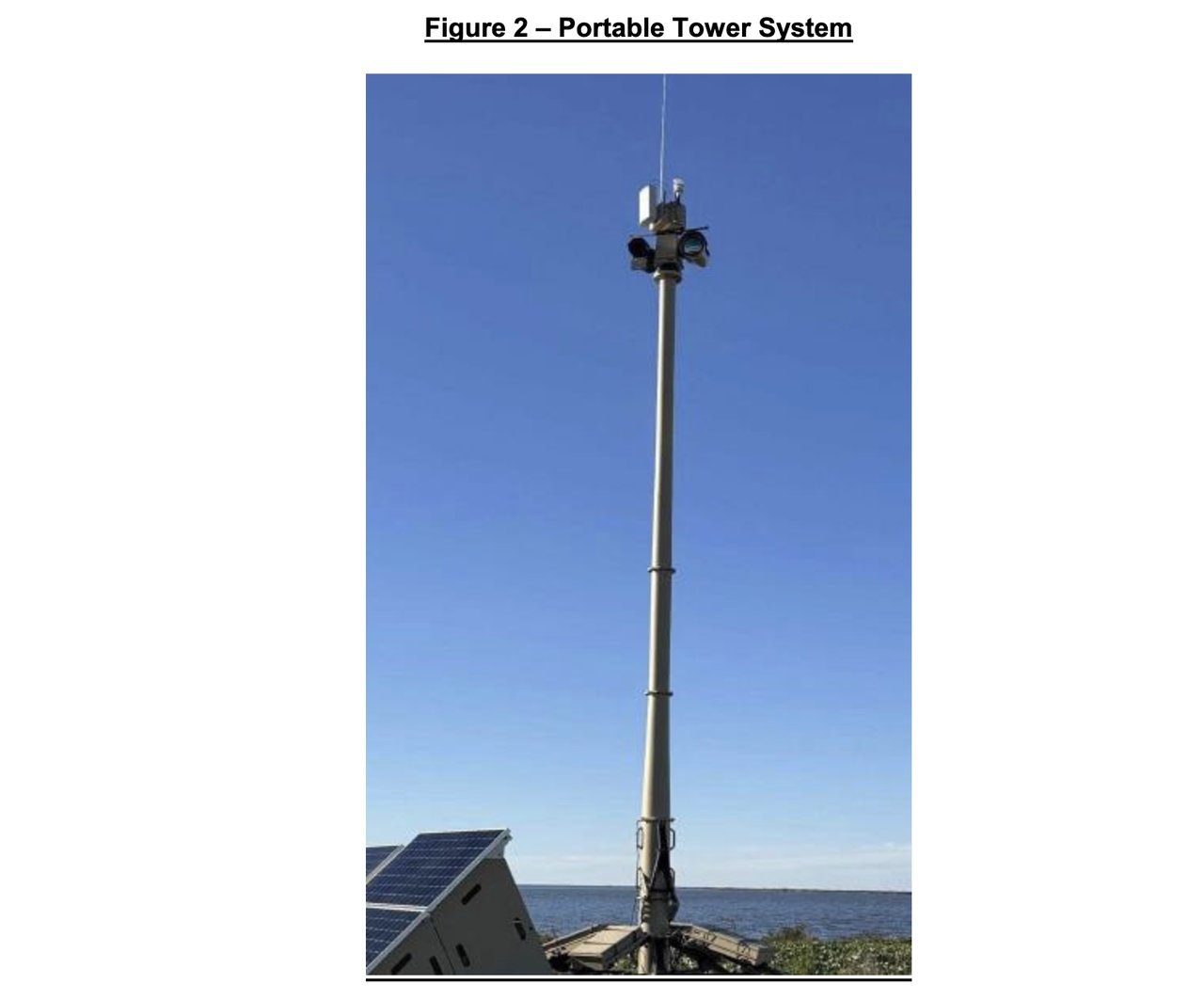
CBP wants to install an Anduril Sentry tower — an autonomous surveillance platform combining radar, high-resolution cameras, and computer vision (AI technology that analyzes live video to automatically identify and track objects without any human input) — just 1.5 miles from the San Clemente shoreline. The official justification: monitoring offshore maritime activity.
The numbers don't support that framing. The tower's cameras reach 9 miles in every direction with 360-degree rotation capability. That range covers all 62,000 residents of San Clemente and extends into neighboring Dana Point. The city itself sits 75 miles north of the Mexican border — a distance that strains any reasonable definition of border infrastructure.
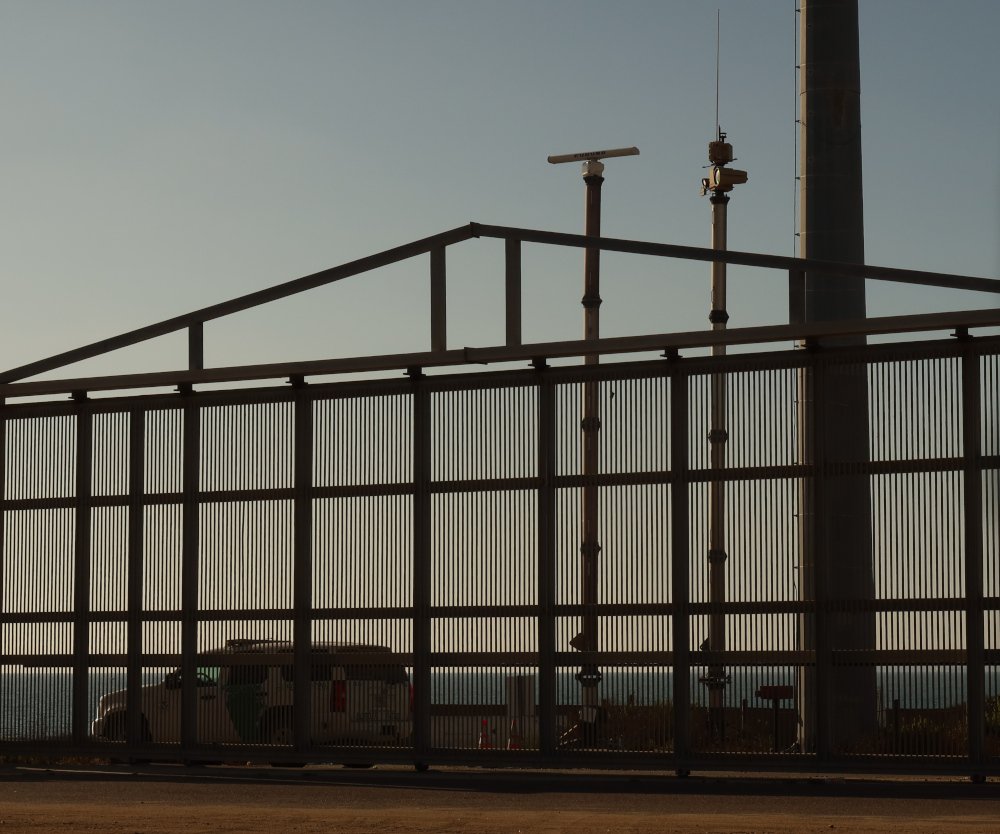
CBP's own procurement documents describe what the system actually does: it uses "advanced computer vision algorithms to autonomously detect, identify, and track items of interest as they transit through the tower's field of view." The system classifies every target automatically — human, animal, or vehicle — with no operator command required to initiate tracking.
The Rejected Privacy Clause — Residential Surveillance Left to Policy, Not Paper
Privacy advocates and city officials pushed CBP to include one specific protection in the installation agreement: a binding contractual clause explicitly prohibiting the system from scanning residential neighborhoods. CBP refused to sign it.
CBP's written response made their position explicit: the system would be "configured" to focus on the marine environment — but if an "active smuggling event" arose, the tower might need to "continue to track and monitor" through populated areas. A configuration setting is not a contract. It can be changed administratively, without public notice, without a city council vote, and without legal consequence for CBP.
The data retention situation compounds the concern. CBP documents claim the system retains imagery for 30 days — a finite window that sounds privacy-conscious. But buried in the same documents is a second, contradictory requirement: footage designated as "learning training data" to improve the AI algorithm must be stored indefinitely. Residents captured on camera could have that footage permanently archived and used to train future surveillance systems with no deletion date ever set.
AI Surveillance Scope Creep Is Already Documented Elsewhere
San Clemente is not an isolated case. Anduril towers have already been placed at:
- Del Mar, California — 30 miles from the Mexican border, monitoring a coastal residential area
- San Diego County — multiple installations along the actual border zone
- Texas communities — towers positioned outside RV parks and directly adjacent to churches
Applications are pending for installations at Gaviota State Park, Refugio State Park, Vandenberg Air Force Base, Piedras Blancas, and Point Vicente. The Oakland Privacy coalition's read on the trajectory: "The planned deployment of an Anduril tower along a heavily used Orange County coastline 75 miles from the border demonstrates that the militarization of the border region is rapidly moving northwards and across the entire state."
1,500 More Towers — Built on 20 Years of Documented Failure
CBP's current expansion plan calls for deploying 1,500 additional surveillance towers across the United States within the next few years. Maintenance costs for this network exceed $400 million. The new total would represent more than three times the current documented tower footprint.
This expansion is proceeding despite more than 20 years of government audits consistently finding that tower-based border surveillance systems fail to meet their stated security objectives. Multiple independent federal reports across two decades reach the same conclusion. The contracts continue regardless.
EFF filed formal comments opposing the San Clemente installation in coordination with the Oakland Privacy coalition. Both organizations are hosting a town hall on April 28 to brief residents on the technology's full capabilities and explain how to use the local lease approval process as a legal mechanism to block the installation before it's finalized.
History shows this fight is winnable — and fragile. In 2024, EFF and Imperial Valley Equity organized a coalition that came close to blocking a similar Anduril tower renewal in Calexico. Then a recall election removed two officials who had opposed the tower, and the coalition lost the vote. The San Clemente case is a second attempt to mobilize local government before that kind of political reversal can happen again.
The Parallel Battle: App Stores, Payments, and Who Controls Online Speech
On a separate legal front, EFF filed an amicus brief (a document submitted by an organization that isn't a direct party in a lawsuit, giving the court additional context or expertise) for the second time in the U.S. Court of Appeals for the Ninth Circuit. The central question: should Apple, Google, and Facebook's app stores lose their Section 230 immunity (the 1996 federal law that shields platforms from being held liable for content their users post or apps they distribute) simply because they process payments?
A lower court ruled yes. Because the app stores facilitate financial transactions for "social casino" apps — games where players buy virtual chips with real money but cannot cash out any winnings — the court found they no longer qualify for Section 230 protection. Users who spent significant sums and developed gambling-like addictions sued the app stores directly.
EFF's argument focuses on the second-order damage: if payment processing strips Section 230 protection from platforms, every service that handles user transactions faces the same liability exposure. The predictable response from any legal department is the chilling effect (when lawsuit risk causes companies to restrict far more speech than any law actually demands) — aggressive pre-emptive content removal to minimize legal surface area. Newsletters, tipping platforms, Patreon-style communities, and any social network with paid features all sit in this new liability zone.
EFF is urging the Ninth Circuit to reverse the lower court, restoring the principle that Section 230 protection doesn't dissolve just because a platform processes money alongside content.
The Lease Vote Hasn't Happened Yet
The San Clemente installation still requires a local government lease approval vote — and that vote has not occurred. Residents who want to weigh in have a concrete window: the EFF-supported April 28 town hall organized by the Oakland Privacy coalition is the organized entry point. Showing up, sharing information, and contacting local officials before the vote is how the Calexico outcome gets avoided this time.
If you follow how AI-powered systems are entering physical infrastructure — not just software products — the AI for Automation learning guides cover both the technology and the policy fights shaping where it gets deployed. This case is a working example of how autonomous AI enters communities: through lease agreements and procurement documents, not legislation, with data retention terms most residents never read.
Related Content — Get Started | Guides | More News
Sources
Stay updated on AI news
Simple explanations of the latest AI developments