BBC RSS Feed Strips Headlines: 15 Blank Stories Daily
BBC's technology RSS feed publishes 15 stories daily with no headlines—by design. 112 developers built workarounds. Why BBC stripped them and how to fix it.
Every morning, BBC's technology RSS feed delivers 15 fresh stories to subscribers worldwide — and every single one arrives without a title, without a summary, without even a hint of what the story is about. Just a raw URL and a timestamp. You click blind or you don't click at all.
This is not a bug. It is a deliberate policy. And 112 developers have already built workarounds to fight it.
Inside BBC's RSS Feed That Tells You Nothing
RSS (Really Simple Syndication — a standardized format that lets websites broadcast their latest content to feed reader apps like Feedly, Reeder, or NetNewsWire) has been the backbone of internet publishing for over 20 years. Standard RSS entries include a <title> tag for the headline, a <description> tag for a summary, plus author and category metadata. BBC's technology feed includes exactly none of that.
Here is what a typical entry from the live feed looks like:
<item>
  <title/>
  <description/>
  <link>https://www.bbc.com/news/articles/c747n11933eo
        ?at_medium=RSS&at_campaign=rss</link>
  <pubDate>Tue, 12 May 2026 10:15:00 GMT</pubDate>
</item>
The title and description fields exist — they are just empty. And notice that URL parameter: at_medium=RSS&at_campaign=rss. BBC is actively tracking every RSS subscriber who clicks through to BBC.co.uk. The feed functions as a lead-generation funnel, not a content distribution tool.

Why BBC Strips RSS Headlines: The Traffic Play Hidden in Plain Sight
BBC's motivation becomes clear once you understand publisher economics. When you read a story inside your RSS reader app, BBC gets no pageview — no ad impression, no engagement metric, no session recorded in analytics. When you click through to bbc.com, BBC captures all of it: time on site, scroll depth, return visits, and the ability to serve you ads.
By stripping headlines, BBC makes the RSS experience deliberately worse. Subscribers who want to know what a story is about before clicking must visit BBC's website directly. The campaign tracking parameters embedded in every link confirm this is intentional: at_medium=RSS and at_campaign=rss tell BBC's analytics exactly which readers arrived from RSS subscriptions and which articles they engaged with.
Here is how BBC compares to industry norms:
- BBC Technology RSS: Bare URL and timestamp only. 15 items per day. Zero preview text.
- Ars Technica RSS: Full headline, 2–3 sentence summary, author name, category tags.
- The Verge RSS: Full headline, article excerpt, featured image, author credit, section label.
- Industry standard since 2002: Title and description fields populated per the RSS 2.0 specification that governs how feeds are supposed to work.
BBC is the only major English-language tech news outlet stripping headlines at this scale — 15 items per day, every one blank, every one a gamble.
112 Developers Fixing BBC's Blank RSS Headlines
When major publishers deliberately cripple open standards, developer communities reverse-engineer their way around it. In BBC's case, more than 112 developers have created tools, scripts, browser extensions, and self-hosted services designed to restore headline visibility to the stripped feed.
The most common approach involves proxying (rerouting — sending the feed through a middleman service) the BBC feed through a tool that fetches each article URL individually, extracts the page title from the HTML <title> tag embedded in the page's source code, and injects it back into the RSS entry before delivering it to your reader app. The result: a feed that looks like what BBC should have provided in the first place.
It works — until BBC changes their URL structure or adds rate limiting, which breaks the workarounds and forces developers to rebuild from scratch. This creates a continuous cycle:
- BBC strips the headline fields
- Developers build tools to restore them
- BBC updates their feed structure
- Developers identify the breakage and push updated releases
- Repeat — indefinitely, unpaid, unrecognized
Every iteration requires the 112+ contributors to test against the live feed, diagnose what changed, and maintain community code for a problem that should not exist. It is infrastructure maintenance labor for a gap BBC created deliberately.
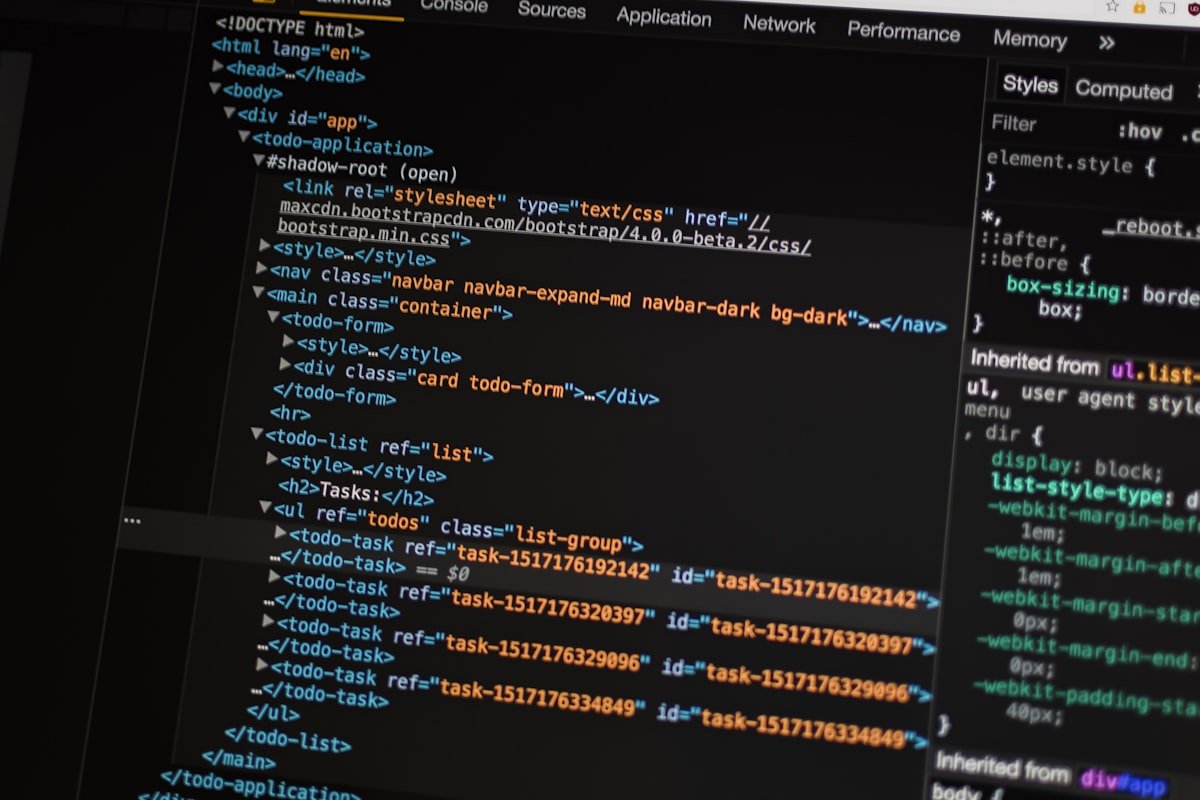
Three Content Types in BBC's RSS Feed, Zero Labels
The blank-headline problem runs deeper than inconvenience. BBC's technology feed mixes three entirely distinct content types with no way to tell them apart:
- Written articles: Standard text reporting from BBC News journalists
- BBC iPlayer episodes: Full-length technology documentaries — video content that requires a UK location or VPN (Virtual Private Network — software that masks your geographic location) to access
- BBC Sounds podcasts: Weekly audio shows published each Tuesday, typically 30–60 minutes long
Without titles, every item in the feed is identical. You cannot tell if you are about to open a 3-minute read or a 45-minute documentary. You cannot tell if an item is a breaking news article from earlier today or a recurring weekly podcast. The unique content identifiers embedded in each URL slug — opaque strings like c747n11933eo and cn0pgl0vk0qo — carry zero human-readable meaning.
For screen-reader users (people who rely on software that reads digital content aloud, often due to visual impairments), the impact is direct: instead of a headline being read aloud, the screen reader vocalizes a 16-character alphanumeric code. Accessibility becomes collateral damage in a traffic optimization strategy.
How to Subscribe to BBC Technology RSS Feed
If you still want BBC Technology in your RSS reader — and the content itself is worth having — here is the direct feed URL:
https://feeds.bbci.co.uk/news/technology/rss.xmlAdd it to any feed reader: Feedly, Inoreader, or NetNewsWire on Mac all support it. Headlines will not appear. You will get 15 anonymous links per day and have to click each one to find out what it is.
To restore title visibility, look for RSS-Bridge (an open-source middleware service — software that sits between a publisher's feed and your reader, reconstructing missing metadata before it reaches you). Community-maintained BBC modules exist for RSS-Bridge and survive most feed updates, though any workaround can break when BBC changes their feed structure. Expect to manually update your setup 2–3 times per year at minimum.
The 112 developers who built workarounds for BBC's feed represent a larger pattern playing out across the web: technically skilled communities doing unpaid infrastructure work to preserve the open, subscribable internet against publisher lock-in. You can explore feed automation guides on AI for Automation — including tools that automatically restore missing metadata from multiple publishers, not just BBC — and stop clicking blind.
Related Content — Get Started | Guides | More News
Sources
Stay updated on AI news
Simple explanations of the latest AI developments