Google: 75% AI code. Meta still cut 8,000 workers.
Google says 75% of code is AI-written. Meta cut 8,000 workers for AI efficiency. Developers warn no one can audit the output — tech debt is piling up.
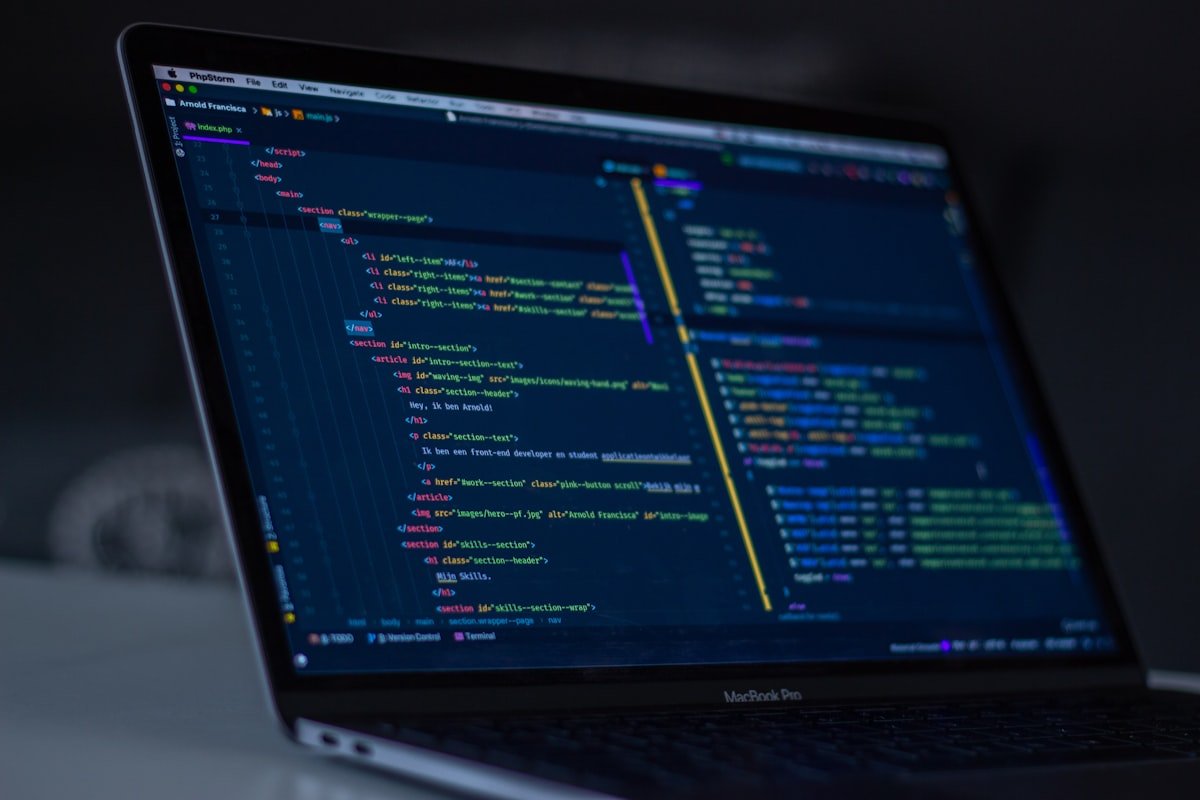
Google says three-quarters of all new code at the company is now written by AI. Microsoft's CTO expects that number to reach 95% by 2030. And yet, the developers actually shipping that code say they cannot tell whether it is secure. Then came the layoffs — Meta cut 8,000 people, Microsoft offered voluntary retirement to 125,000, Snapchat trimmed 1,000 more. The official explanation in every case: AI-driven efficiency.
If AI productivity gains were straightforwardly real, the narrative would close neatly. But firsthand accounts collected by 404 Media — an independent investigative publication that reached profitability just 6 months after launching, and has since partnered with Wired magazine — tell a more complicated story. This is what the people writing that code are actually seeing.
The Productivity Numbers Behind the Headlines
Three data points now define Big Tech's official AI narrative:
- Google: 75% of all new code is AI-generated (confirmed by CEO Sundar Pichai, May 2026)
- Anthropic: Approximately 90% of code written by most of the team is AI-generated
- Microsoft: Currently at 30%; CTO Kevin Scott projects 95% by 2030
These numbers sound transformative. But "percentage of code generated" measures output volume — how many lines an AI produced — not code quality, security, or maintainability. The distinction matters enormously when that code runs systems used by hundreds of millions of people.
One UX designer at a midsized tech company, speaking anonymously due to their NDA (non-disclosure agreement, a legal contract preventing employees from sharing internal information publicly), told 404 Media: "We're being told to use AI agents (automated systems that write, test, and deploy code without constant human supervision) for broad changes across our codebase. There's no way to evaluate whether that much code is well-written or secure — especially when hundreds of other programmers in the company are doing the same."
Another anonymous developer offered a starker warning: "We're building a rat's nest of tech debt (accumulated shortcuts and poorly written code that becomes expensive to fix later) that will be impossible to untangle when these models become prohibitively expensive."
134,000 Workers Out. The Reason Given: AI.
The announcements came in close sequence, each carrying the same justification:
- Meta cut roughly 8,000 people — 10% of its global workforce — citing AI productivity gains as the reason fewer humans were needed to run the same operations.
- Microsoft offered voluntary retirement to approximately 125,000 employees, representing 7% of its US workforce. AI tools, the company said, had made certain roles redundant.
- Snapchat reduced headcount by 16% — around 1,000 people — again citing efficiency improvements from AI adoption.
That is more than 134,000 workers affected in a single announcement cycle, all tied to the same explanation. In the same period, the companies building those AI tools — Anthropic, OpenAI, Microsoft Azure — reported record-breaking revenue.
The tension here is not between humans and robots in some abstract future scenario. It is happening now, inside product teams and engineering organizations, and the workers closest to it are being asked to sign NDAs rather than speak openly about what they are witnessing.
The Cable War Nobody Is Covering
Underneath the AI productivity story is a parallel infrastructure crisis that has received almost no mainstream attention: fiber-optic cable (the physical glass-strand cables that carry internet traffic, connect data centers, and now guide military drones on the battlefield) has become one of the most contested commodities on the planet.
Two entirely separate forces are competing for the same supply simultaneously:
Force 1: AI Data Center Buildout
Hyperscalers (Google, Meta, Microsoft, and Amazon — the companies running the world's largest cloud computing systems) are constructing data centers at historic scale to power AI model training and inference (the process of running AI calculations). Corning, one of the world's largest fiber manufacturers, recently signed a $6 billion cable deal with Meta for AI infrastructure alone. CEO Wendell Weeks said on a CNBC call: "Almost every phone call I get from my customers is trying to see how do we get them more? I think next year the hyperscalers will be our biggest customers."
Force 2: Ukraine's Drone War
Ukraine's military has deployed fiber-optic-guided FPV drones (first-person-view drones steered through physical glass cables rather than radio signals, making them impossible to jam electronically) at massive scale. After Russia destroyed Ukraine's Saransk cable factory, Russia's own fiber imports surged to 717.5 million meters in November 2025 — a peak month on record. Russia and Ukraine combined now consume an estimated 50–60 million kilometers of fiber annually.
A Ukrainian soldier named Dimko Zhluktenko described the price impact in a post on X: "Fiber-optics is still happening at the battlefield, although not as much as it used to be. It's extremely pricey now. We used to buy 50km spool for $300, now it's easily $2,500."
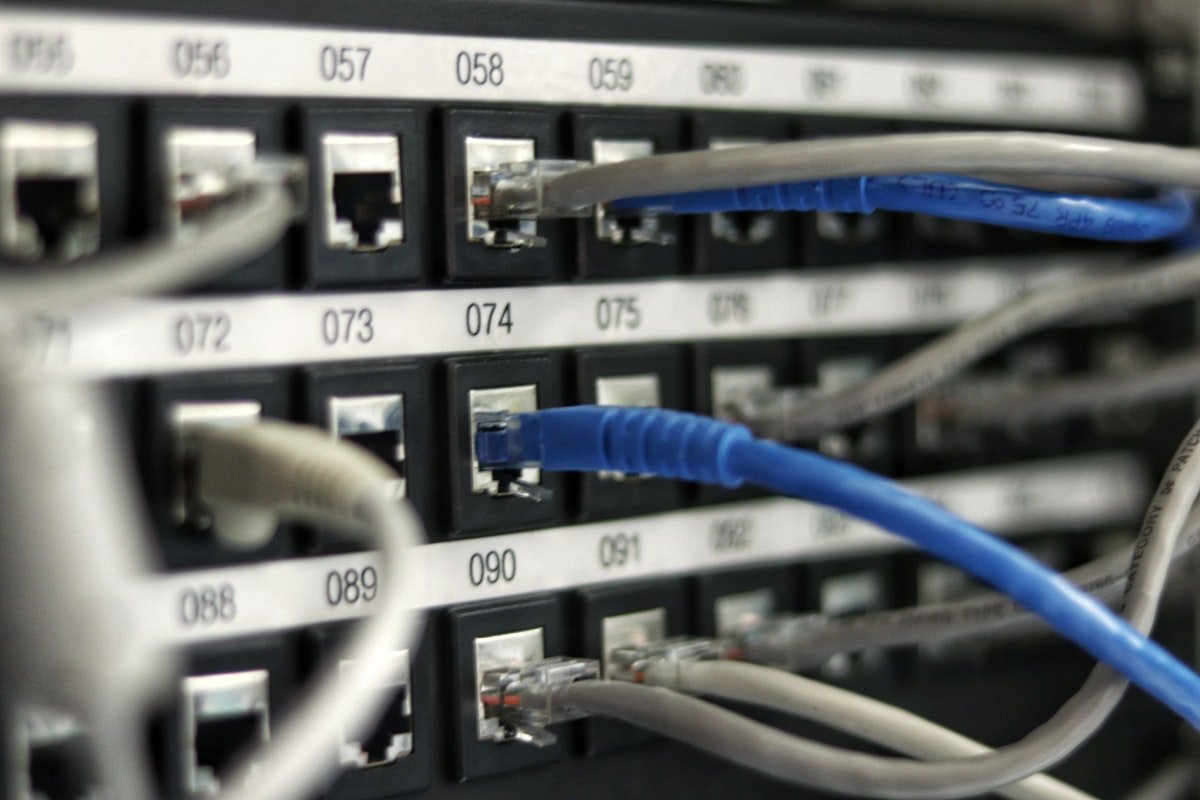
The supplier numbers confirm the squeeze. Shanghai Sun Telecom's G.652D fiber (the standard single-mode cable used in most data center and telecom deployments globally) went from $2.20/km in January 2025 to $4.10/km in January 2026 — an 86% jump in 12 months. Across China's broader fiber export market, the year-over-year increase reached 150% ($2.33/km rising to $5.83/km). NTCA CEO Mike Romano warned rural broadband operators: "We have heard concerns in recent weeks of timeframes slipping, and concerns about the ability to obtain supplies at all, as circumstances change."
20 Million People in a Government App
The third story running through 404 Media's recent coverage is harder to categorize — but may be the most consequential of all.
ICE (US Immigration and Customs Enforcement) now has access to profiles on 20 million people through iPhone-accessible apps built on Palantir (a surveillance and data analytics company that designs database and intelligence systems for government agencies). This was not exposed through a leak or a Freedom of Information request. It was announced casually at a trade conference — and 404 Media was there to document it.
The normalization is the story. A capability that five years ago would have triggered congressional investigations was presented as a routine operational feature. In the same reporting period, 404 Media obtained leaked software called Haotian AI — a Chinese-developed deepfake tool that enables real-time face and identity transformation during Zoom, Microsoft Teams, and WhatsApp video calls — demonstrating how quickly surveillance and impersonation capabilities are spreading beyond state actors to anyone willing to look for them.
Why This Independent Outlet Keeps Finding These Stories First
404 Media is journalist-founded, independently owned, and built entirely on subscription revenue. It reached profitability 6 months after launching — a timeline that major corporate outlets with far larger newsrooms have not matched. The publication has since announced a distribution partnership with Wired magazine and consistently generates strong engagement on technical forums: their investigation into Meta throttling a drug-ad story on Instagram received 174 upvotes and 95 comments on Hacker News.
Their reporting model is built on primary-source access: obtaining leaked software directly, attending the trade conferences where agencies disclose capabilities they would never put in an official press release, and interviewing workers who are still employed but unwilling to stay silent. The developer quotes cited throughout this article are not from laid-off workers venting to the press — they are from people currently inside these companies, actively watching the AI code quality problem compound.
If you manage software teams or work anywhere that AI-written code is now part of your infrastructure, the question worth asking is not whether your organization is adopting AI — every organization is. The question is whether your code review and audit processes have kept pace with the volume being generated. If the answer is no, you now have a name for what is accumulating: tech debt that, as one developer told 404 Media, will be "impossible to untangle." You can follow 404 Media's ongoing reporting directly at 404media.co/rss/.
Related Content — Get Started | Guides | More News
Sources
Stay updated on AI news
Simple explanations of the latest AI developments