Pentagon to let AI train on classified military data
The U.S. military will let OpenAI, Anthropic, xAI, and Google train AI models directly on classified intelligence — a first in history.
The U.S. Department of Defense is setting up secure facilities where AI companies can train their models directly on classified military intelligence — including surveillance reports and battlefield assessments. This has never been done before.
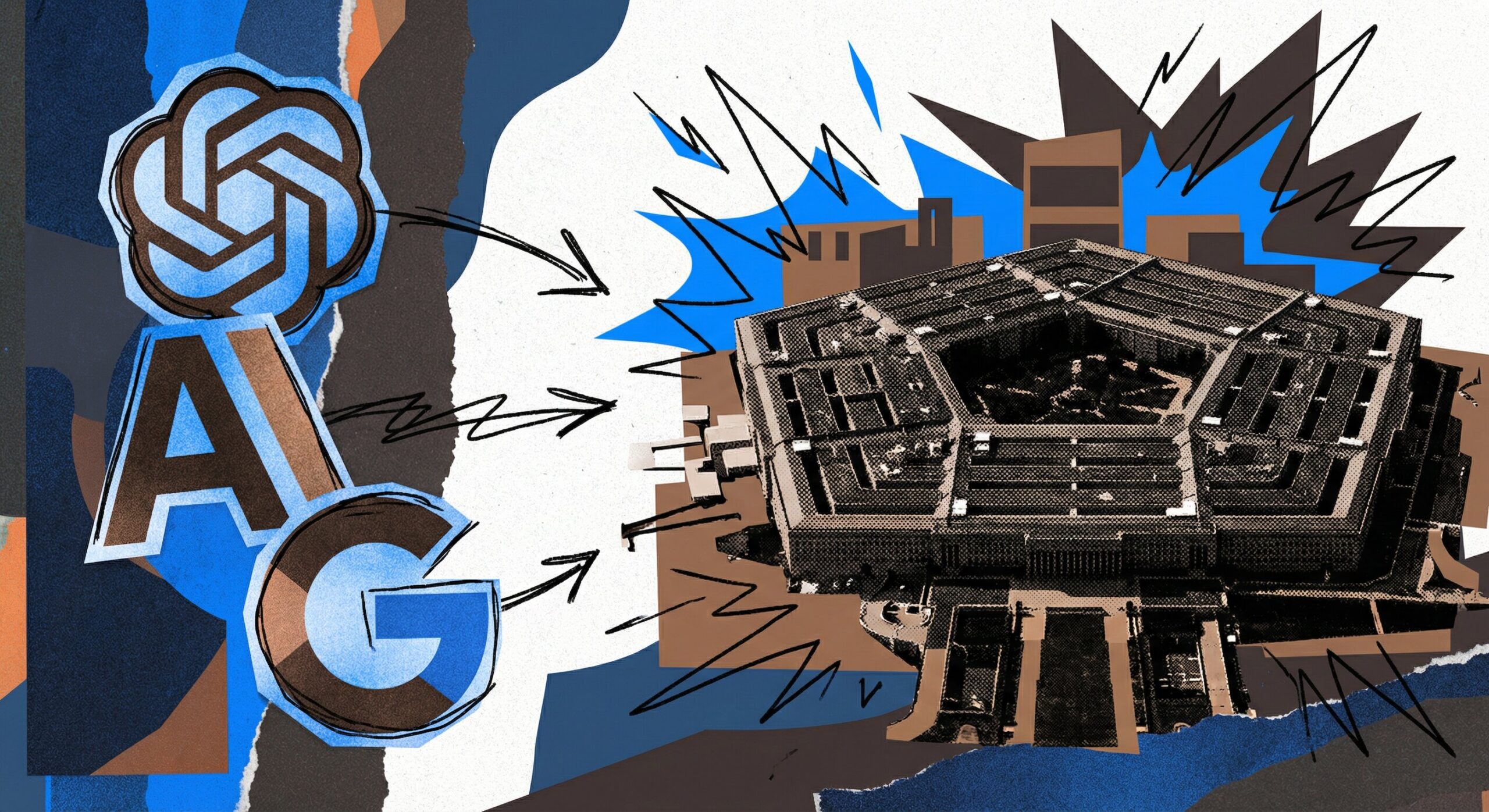
Until now, AI models deployed in government settings could only read classified information to answer questions. The new plan would let them learn from it — embedding sensitive intelligence directly into the model's knowledge, permanently changing how the AI thinks and responds.
Which companies are involved
Four major AI companies are part of the initiative:
OpenAI — Already working with AWS on government AI infrastructure
Anthropic — Already deployed in classified environments, though its safety "red lines" have drawn Pentagon criticism
xAI — Elon Musk's AI company, now part of defense conversations
Google — Involved through its cloud and AI divisions
Reading vs. learning — why the difference matters
Think of it like the difference between a consultant reading a confidential report to answer your questions, versus that consultant studying thousands of confidential reports and becoming an expert who permanently knows everything in them.
Previously, AI models in government could only do the first — access classified documents at query time to help analysts find answers. The new approach would let AI models absorb classified patterns during training, making them fundamentally more capable at military intelligence tasks.
This is significant because training on data embeds knowledge into the model's parameters (the millions of numerical weights that define how it thinks). Once trained, that knowledge is baked in — the model doesn't need to look it up anymore.
How it will work
According to a U.S. defense official speaking to MIT Technology Review, the Pentagon plans a phased approach:
Phase 1: Test with unclassified data like commercial satellite imagery to validate the process
Phase 2: Move to classified data inside accredited, secure data centers
Safeguards: The Pentagon retains ownership of all data. AI company employees need security clearance to access the facilities. A copy of the model enters the secure environment — the training happens inside the government's walls.
The bigger picture
This initiative follows Defense Secretary Pete Hegseth's January 2026 memo directing the U.S. military to become an "AI-first warfighting force." It represents a dramatic acceleration of how the military integrates AI technology.
The timing is also notable. Just this week, the Pentagon publicly called Anthropic's safety restrictions an "unacceptable risk to national security," signaling tension between AI companies' safety policies and military demands.
Previously, military AI contracts were limited to older computer vision models (systems that identify objects in images) trained on commercial datasets. LLMs (large language models — the technology behind ChatGPT and Claude) training on classified intelligence is uncharted territory.
What this means for the AI industry
For AI companies, classified training contracts could become a massive new revenue stream — but also a source of controversy. Companies like Anthropic, which built their brand on AI safety, face difficult decisions about how far to go.
For the broader public, this raises questions about what happens when the world's most powerful AI systems learn from some of the world's most sensitive information. Who controls those models? Can classified knowledge leak through the model's outputs?
For the defense sector, this could give the U.S. a significant advantage in military AI — but also sets a precedent that other countries will follow with their own classified training programs.
As reported by The Decoder, sourcing MIT Technology Review, this marks "the first known indication" that major AI companies may train language models directly on classified intelligence data.
Related Content — Get Started with Easy Claude Code | Free Learning Guides | More AI News
Stay updated on AI news
Simple explanations of the latest AI developments