OpenAI just turned to fusion power — and Sam Altman owns both sides of the deal
OpenAI is negotiating to buy 5 gigawatts of fusion energy from Helion — a startup Sam Altman personally invested in. Here's why it matters.
OpenAI is in advanced talks to buy massive amounts of electricity from Helion Energy, a fusion power startup personally backed by OpenAI CEO Sam Altman. The deal would give OpenAI 12.5% of Helion's total power output — starting with 5 gigawatts by 2030 and scaling to a staggering 50 gigawatts by 2035.
To put that in perspective, 5 gigawatts is roughly the electricity consumption of 3.7 million homes. OpenAI wants ten times that within a decade — just to run AI.
The conflict of interest nobody can ignore
Here's where it gets uncomfortable: Sam Altman is a major investor in Helion Energy. He previously served as the company's board chair. That means the CEO of the buyer also has a financial stake in the seller.
Altman has reportedly stepped down as Helion's board chair and recused himself from the deal discussions. But the optics remain striking — especially as OpenAI prepares for a potential IPO later this year.
This isn't the first time Altman's dual interests have raised eyebrows. In February, he defended AI's resource usage, calling water consumption concerns "fake" and saying "humans use energy too."
Why OpenAI is betting on fusion — not just solar or nuclear
Running AI at OpenAI's scale requires mind-boggling amounts of power. The company's Stargate project alone involves building data centers that could consume up to 10 gigawatts total — roughly equivalent to powering a small country. Reports suggest OpenAI's long-term target is 250 gigawatts by 2033, which would match half of Europe's peak electricity load.
Traditional energy sources can't scale fast enough. Solar and wind are intermittent. Nuclear plants take decades to build. Fusion (the process that powers the sun, generating energy by smashing atoms together rather than splitting them) promises virtually unlimited, clean power — if anyone can actually make it work commercially.
Where Helion actually stands
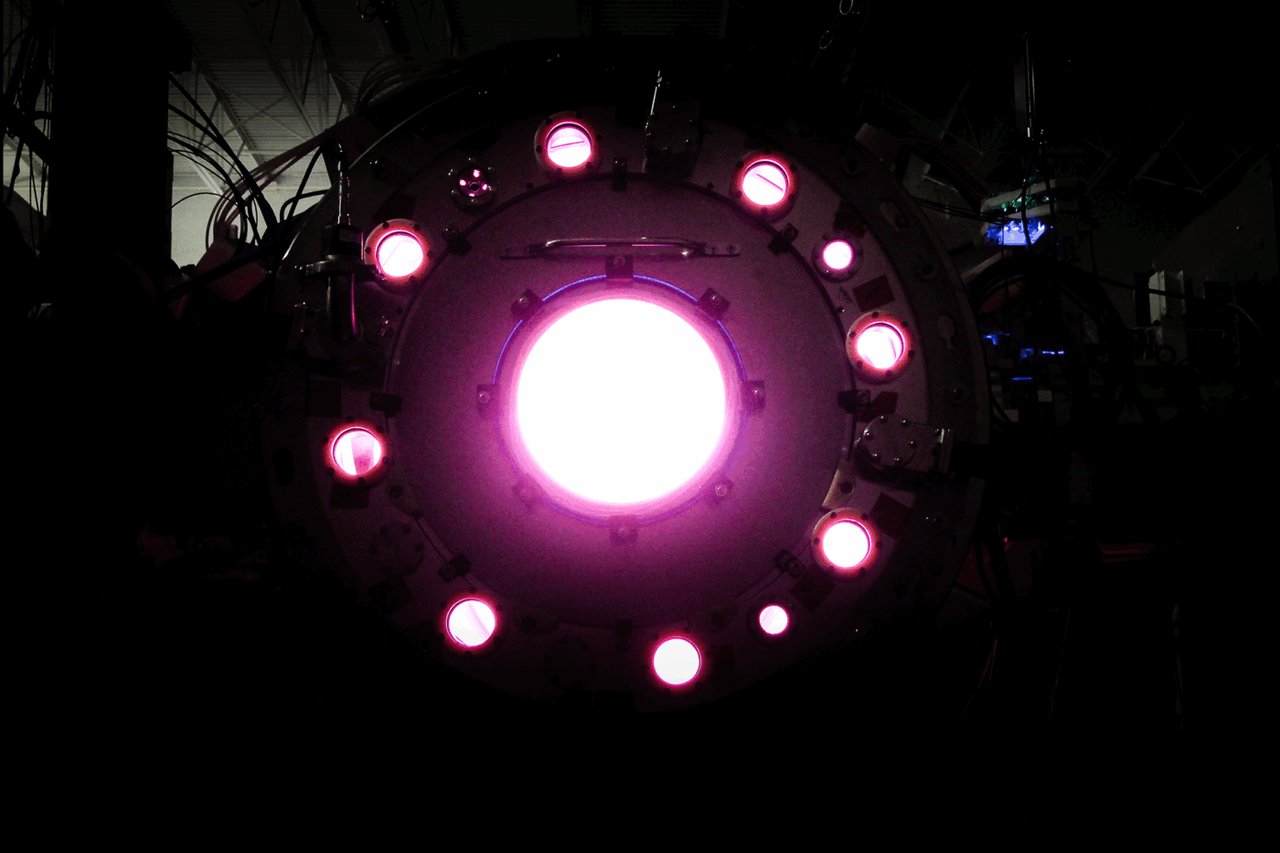
Helion's seventh-generation prototype, Polaris, achieved a major milestone in February 2026: 150 million degrees Celsius of plasma temperature with real deuterium-tritium fusion. That's 10 times hotter than the core of the sun.
However, Helion has not yet demonstrated net energy gain — the point where a fusion reactor produces more energy than it consumes. The company's first commercial plant, Orion, is scheduled to deliver power to Microsoft by 2028. Many physicists remain skeptical of the timeline.
The AI industry's growing power problem
OpenAI isn't alone in scrambling for energy. The entire AI industry faces the same crisis:
Google has signed deals with Commonwealth Fusion Systems, Helion's main rival.
Microsoft already has a separate power-purchase agreement with Helion for 50 megawatts by 2028.
Amazon (via Bezos) recently raised $100 billion for AI factories.
U.S. data centers already consume 4.4% of the nation's total electricity — about 176 terawatt-hours annually. The IEA projects AI-driven demand could push that to 9% by 2030.
What this actually means for everyday AI users
If you use ChatGPT, Claude, or Gemini, this deal affects you — indirectly but significantly.
If Helion delivers: Cheaper, cleaner energy could keep AI subscription prices stable and reduce the environmental guilt of using these tools daily.
If Helion doesn't deliver: OpenAI and others will face rising electricity costs that get passed along to users, potentially making advanced AI features more expensive or rate-limited.
The deal also signals that AI companies no longer see themselves as just software businesses. They're becoming energy companies — negotiating power at the scale of small nations.
The bigger picture
Whether fusion power arrives on schedule is still an open question. But the fact that the world's most prominent AI company is betting billions on a technology that doesn't fully work yet tells you everything about how desperate the industry's energy situation has become.
As one energy analyst put it: "AI's appetite for electricity is growing faster than any energy source can supply it. Fusion is a moonshot — but OpenAI is running out of conventional options."
Related Content — Get Started with Easy Claude Code | Free Learning Guides | More AI News
Stay updated on AI news
Simple explanations of the latest AI developments